


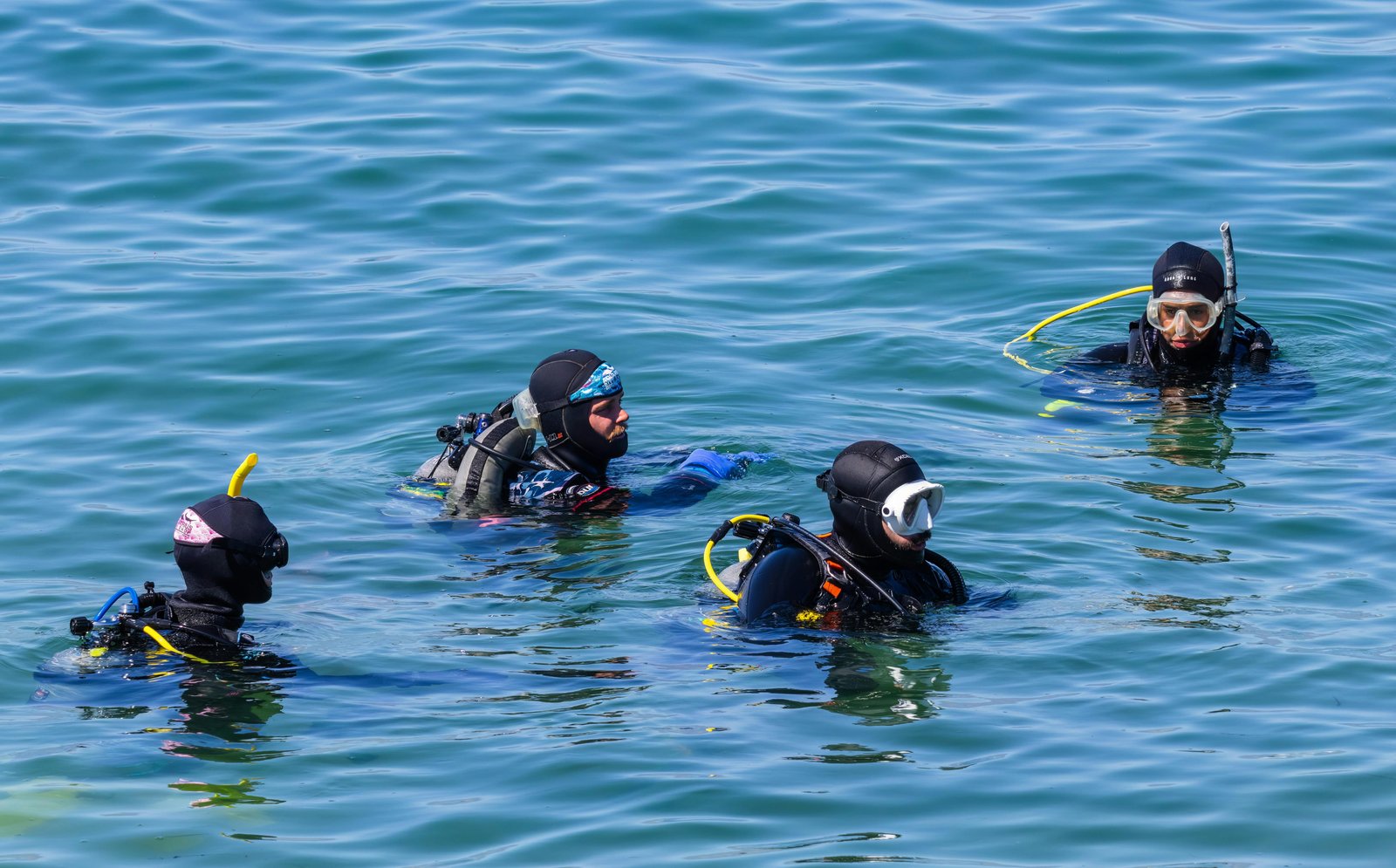
Ever wondered what it feels like to breathe underwater? That moment of taking your first breath beneath the surface is unlike anything else, and you don't need to commit to a full scuba certification course to experience it.
If you're like most people curious about diving, you've probably talked yourself out of it at least once. Maybe the thought of investing weeks of time and several hundred dollars into certification, only to discover you don't enjoy being underwater, feels like too big a risk. Maybe you're unsure if you're fit enough or comfortable enough in the water. These are completely valid concerns, and they stop a lot of people from ever taking that first breath below the surface. If vision is one of your worries, options like custom scuba mask make it easy to see clearly underwater without contacts.
That's exactly why Discover Scuba Diving exists. This guide covers what the PADI Discover Scuba Diving experience is, what happens during a session, what it costs, and how to decide whether it's the right first step for your underwater adventure.
What is Discover Scuba Diving?
Discover Scuba Diving is a 2–3 hour introductory experience that gives you a genuine taste of breathing underwater without requiring full certification. It's not a class, and it doesn't result in a certification card. Think of it as a supervised first look at the underwater world, conducted by a certified PADI professional in a controlled environment.
The program is available at PADI dive centers worldwide, resort destinations, and local dive shops across the US. You'll learn the absolute basics of scuba equipment, practice simple skills in shallow water, and explore the underwater environment under close supervision. Participants range from vacationers in the Caribbean or Hawaii, to curious beginners who want to confirm they'll enjoy diving before investing in certification, to families introducing older children to the underwater world.
How DSD Differs from Full Certification
DSD and full certification serve very different purposes. A DSD session runs 2–3 hours with no certification card issued, a maximum depth of 12 feet, and direct instructor contact at all times. It typically costs $75–$150 in the US. The PADI Open Water Diver course takes 3–4 days, earns you a full certification card allowing independent diving to 60 feet, and costs $400–$600. The PADI Scuba Diver course sits in the middle at around 2 days and $250–$400, certifying you to dive to 40 feet with a divemaster.
The key advantage of DSD is that skills you learn and demonstrate can be credited toward PADI Open Water Diver or Scuba Diver certification if you decide to continue. You're not starting from scratch if you catch the diving bug.
Pool vs. Open Water Experiences
Pool DSD sessions offer the most controlled environment: warm, clear, and calm, with no current or weather to worry about. For nervous first-timers, knowing you can stand up at any moment is enormously reassuring. Open water sessions are conducted in calm bays or sheltered ocean sites and give you a more realistic sense of what certified diving feels like. In some locations, you'll see fish or coral during your introductory dive. Some programs combine both, starting in a pool before moving to open water for those who feel ready.
What to Expect During Your DSD Experience
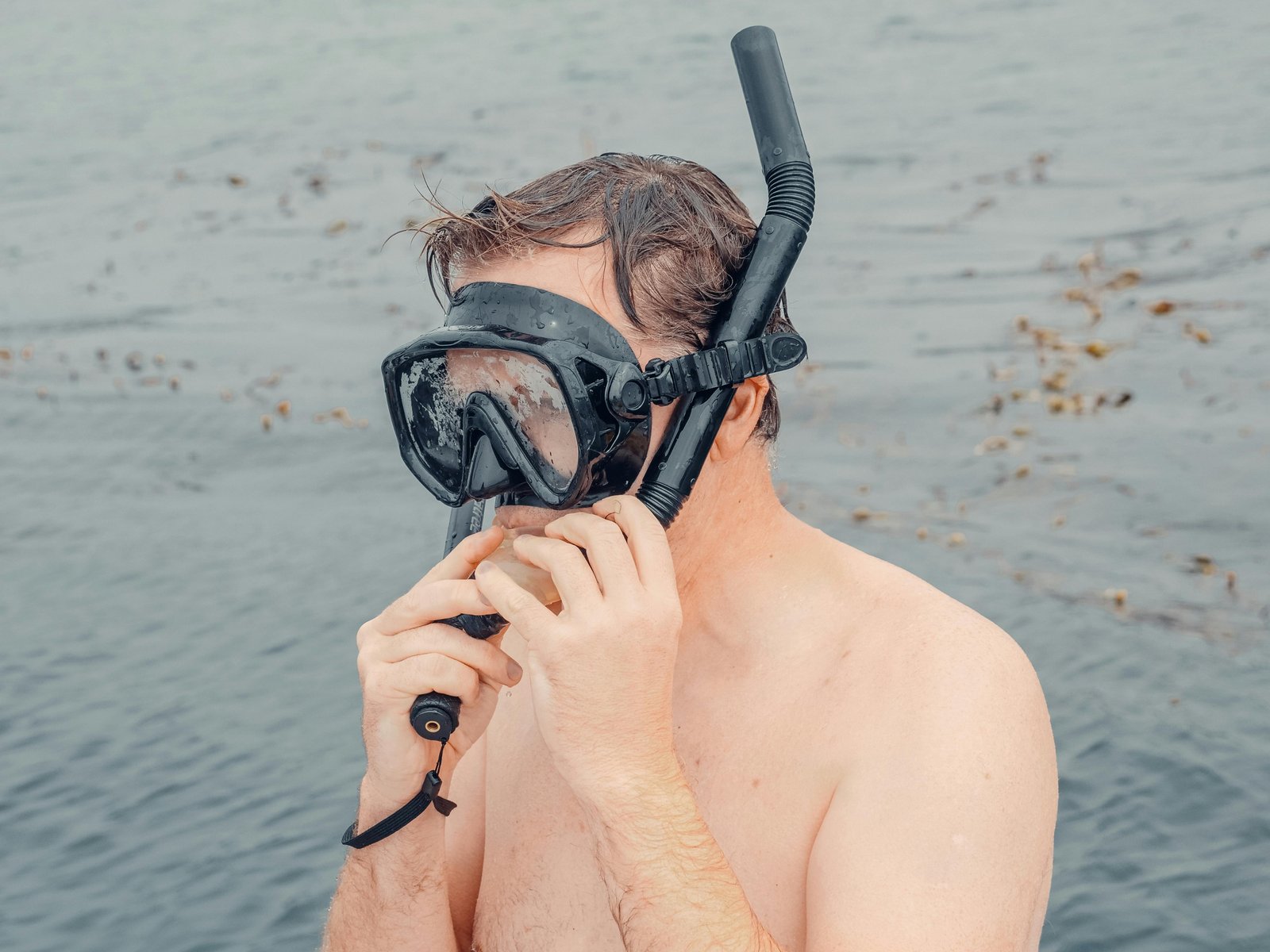
Step 1: Pre-Dive Briefing (30–45 Minutes)
When you arrive, you'll complete a standard PADI medical questionnaire that screens for conditions requiring a doctor's clearance. The vast majority of healthy adults pass without concern. Your instructor then introduces the equipment (mask, fins, regulator, BCD, and tank) and covers the fundamentals: how to equalize ear pressure during descent, how to breathe slowly and continuously, and the hand signals you'll use underwater.
Step 2: Shallow Water Skills Practice (30–45 Minutes)
You won't be taken straight to depth. Your instructor starts you in just 3–4 feet of water so you can practice breathing through the regulator while submerged. This is where most first-timers have their "aha" moment. You'll practice mask clearing, regulator recovery, basic buoyancy control, and fin movement. Your instructor stays in direct physical contact throughout. If you feel uncomfortable at any point, simply signal and you'll surface together. There's no pressure to continue beyond what you're comfortable with.
Step 3: Underwater Exploration (30–45 Minutes)
Once your instructor is confident you're comfortable, you'll move to slightly deeper water, up to about 12 feet. This is the part most people remember for the rest of their lives. The sensation of neutral buoyancy, that genuine weightlessness where you're neither sinking nor floating, is unlike anything on land. In a pool, you'll explore the depth and layout. In open water, you might glide over coral or watch fish pass by a few feet away. Common reactions include grinning so wide your mask floods, wanting to stay longer, and a complete sense of calm that surprises even the most anxious first-timers.
Step 4: Debrief and Next Steps (15–20 Minutes)
Back on dry land, your instructor debriefs the experience, answers questions, and explains how your DSD can be credited toward certification. You'll also receive information about your digital DSD record in the PADI system and any discounts available if you sign up for a full course within a set timeframe.
Requirements, Costs, and Practical Information
Who Can Participate?
The entry requirements are minimal. You must be at least 10 years old, comfortable in the water (no swimming certificate required), and in basic physical fitness. A standard PADI medical questionnaire must be completed. No prior experience is needed whatsoever.
What Does It Cost?
Pricing varies by location and setting. A pool DSD at a local dive center typically runs $75–$125. An open water DSD at a local site averages $100–$150. Private one-on-one sessions range from $130–$200, and resort or vacation destination experiences typically cost $150–$200. These prices generally include all equipment, instruction, and program materials. Group discounts are commonly available, and many dive centers will credit your DSD cost against certification fees if you sign up within a set period.
What to Bring
You'll need a swimsuit, towel, photo ID, and your completed medical questionnaire. Eat a light snack at least two hours before your session, avoid alcohol within 24 hours of diving, and avoid flying within 12 hours after diving. If you wear prescription eyewear, mention it when booking. Many centers keep stock lens masks on hand, and if you plan to continue diving, prescription mask for diving options are worth exploring for a clearer, more comfortable experience long term.
DSD or Go Straight to Certification?
DSD makes sense when you're genuinely unsure whether you'll feel comfortable underwater, when you have limited time and can't commit to a multi-day course, or when you're anxious and want to test the experience before investing further. It's also a practical gift for someone who's curious but hasn't committed to full certification.
If you're already confident you want to become a certified diver and are comfortable in water, going straight to Open Water certification is the smarter financial decision. Doing DSD first and then paying for full certification costs roughly $200–$250 more overall than starting with certification directly. If you have a specific dive trip planned in the next few months, skip DSD and start the certification process now.
Tips for Making the Most of Your First Dive
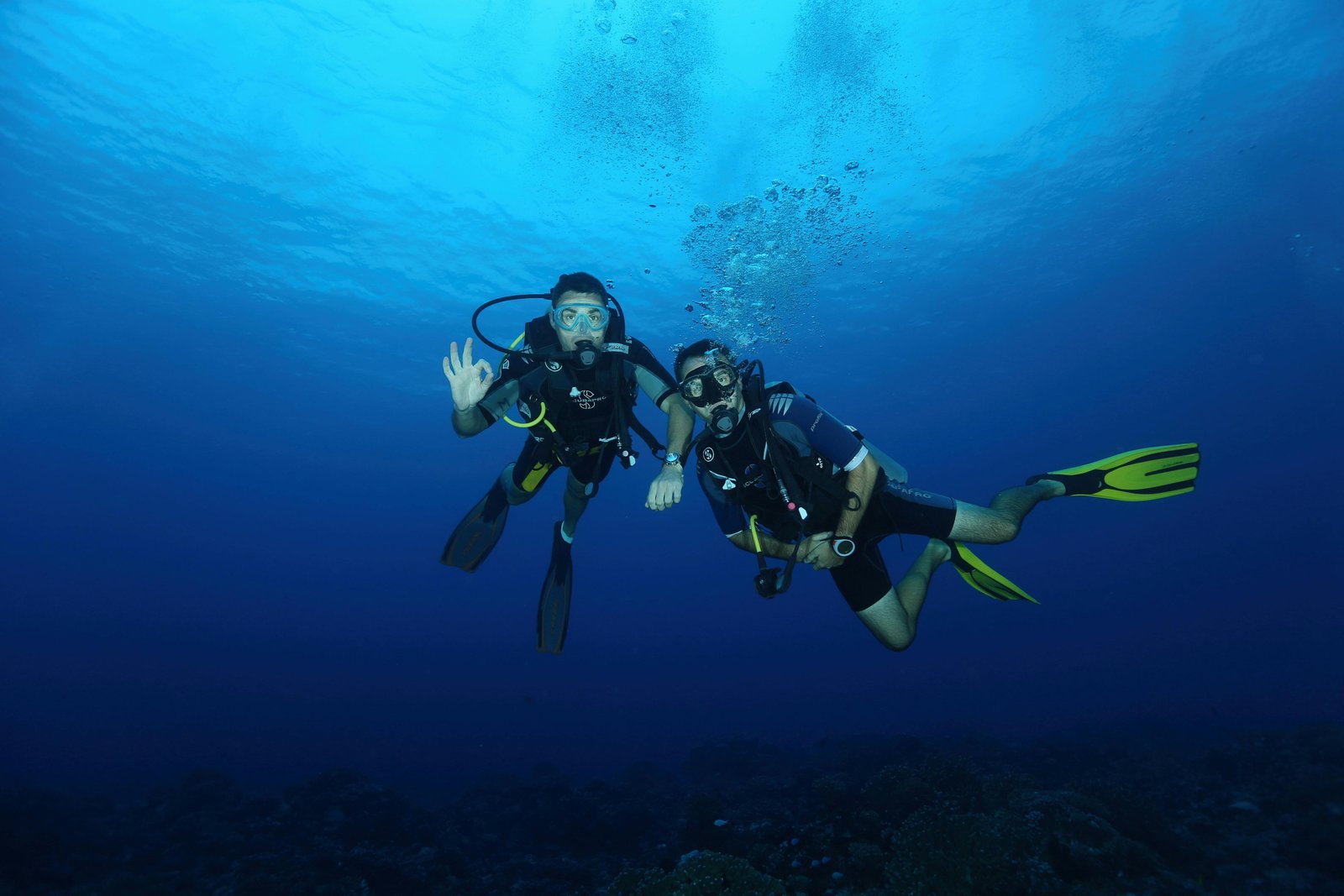
Breathe slowly and deeply. The most common mistake first-timers make is breathing too fast. Short, shallow breaths signal anxiety and make it worse. Slow, full breaths are what scuba requires, and they also happen to calm you down.
Equalize early and often. As you descend, pressure on your ears increases. Pinch your nose and gently blow, the same as on a plane. Don't wait until it hurts. Equalize every foot or two during descent.
Communicate with your instructor. If something doesn't feel right, signal it. Instructors are trained for every concern a first-timer can have, but they can only help if they know what's happening.
Focus on enjoyment, not perfection. You're not expected to be polished. You're expected to try, stay relaxed, and ask for help when you need it.
Frequently Asked Questions
Can I do DSD if I'm not a confident swimmer?
Yes, as long as you're comfortable in water. DSD takes place in very shallow, controlled conditions with your instructor in direct contact at all times.
Will I be allowed to dive alone after completing DSD?
No. DSD doesn't certify you to dive independently. To dive without direct instructor supervision, you'll need at minimum the PADI Scuba Diver certification.
Is Discover Scuba Diving safe?
Yes, when conducted by a certified PADI professional. The 12-foot depth limit, direct instructor contact, medical screening, and shallow-water skills practice all exist to make the experience safe for complete beginners.
What if I panic underwater?
Signal your instructor and you'll ascend together, calmly and at a controlled pace. You will not be left alone or pressured to stay down. Slowing your breath is usually enough to resolve anxiety within seconds.
Can children participate in DSD?
Yes. The minimum age is 10 years old, and the session is structured in a way that works well for older children. Parents can often participate alongside their kids, which tends to make the experience easier for younger first-timers. Check with your local dive center, as some locations offer junior-specific DSD programs.
Do I need to book in advance?
It depends on the provider. Resort destinations during peak season fill up fast, so booking a few days ahead is sensible. Local dive centers are generally more flexible, but calling ahead is still worth doing to confirm equipment availability and instructor scheduling.
What Happens After Your DSD?
Most people leave their DSD session with one of two reactions: they're genuinely excited to keep going, or they're glad they tried it but realize it's not for them. Both outcomes are equally valid, and that's the whole point of the experience.
If you decide to continue, here's what the path forward looks like.
PADI Scuba Diver is the first recognized certification level. It takes roughly two days, qualifies you to dive to 40 feet with a divemaster, and costs around $250–$400. It's a good option if you want a certification but have limited time available.
PADI Open Water Diver is the full entry-level certification and the most widely recognised qualification in recreational diving. It takes 3–4 days, certifies you to dive independently to 60 feet, and opens up diving opportunities worldwide. Cost is typically $400–$600 depending on location.
PADI Advanced Open Water Diver is the next step after Open Water, introducing you to night diving, deep diving, and navigation over two additional days. Many divers complete this within a year of their initial certification.
Skills and knowledge demonstrated during your DSD session count toward the early stages of the Open Water course, so you're not repeating work you've already done. Ask your instructor or dive center to explain exactly which components transfer and how the credit applies.
Choosing the Right Dive Center
Not all dive centers are the same, and who you learn with genuinely matters. Here's what to look for when booking your DSD.
PADI affiliation. Look for a PADI 5 Star Dive Center or Resort designation. This indicates the facility has met ongoing standards for instruction quality, equipment, and safety. You can verify a center's status through the PADI Dive Center Locator.
Instructor ratio. PADI guidelines allow up to eight participants per instructor for DSD sessions, but the best centers keep groups smaller. Ask before you book. Smaller groups mean more individual attention and a better experience, especially if you're nervous.
Equipment condition. You don't need to be a gear expert, but it's worth asking how frequently equipment is serviced. Reputable centers maintain a documented service schedule and will answer that question directly.
Reviews. Check Google and TripAdvisor reviews specifically for DSD sessions, not just general dive trips. First-timer experiences can differ from those of certified divers, so look for reviews from people in a similar position to you.
Location suitability. If you're choosing between a pool and open water session, consider your comfort level honestly. A pool session is the right call if anxiety is a factor. Open water is more memorable but slightly less predictable.
A Note on Diving with Prescription Eyewear
This is a practical concern that stops more people from trying diving than it probably should. Standard dive masks don't accommodate glasses, and diving with contact lenses carries a small but real risk of losing them if water enters the mask.
The straightforward solution is a mask fitted with prescription lenses. Many dive centers stock a limited range of ready-made corrective masks for common prescriptions, which is usually sufficient for a DSD session. If you plan to continue diving beyond the introductory level, investing in a custom prescription dive mask is worth considering. These are built to your exact prescription and provide significantly better clarity and comfort than off-the-shelf options.
When booking your DSD, let the center know your prescription in advance. Good centers will have a suitable mask ready for you or advise you on what to source before the session.
Ready to Take the Plunge?
Discover Scuba Diving offers a genuinely low-commitment introduction to the underwater world. In just 2–3 hours, you'll experience breathing underwater, learn basic skills, and discover whether scuba is something you want to pursue further. With minimal entry requirements, costs between $75 and $200 depending on location and format, and the ability to credit your experience toward full certification, DSD removes the barriers that stop most curious people from ever trying diving at all.
Use the PADI Dive Center Locator to find a certified center near you or at your next vacation destination. Your underwater adventure starts with a single breath.

 English
 Arabic
 French
 Spanish
 Portuguese
 Turkish
 Dutch
Dutch
 Italiano
 Russian
 Romaian
 Portuguese (Brazil)
 Greek
Greek