


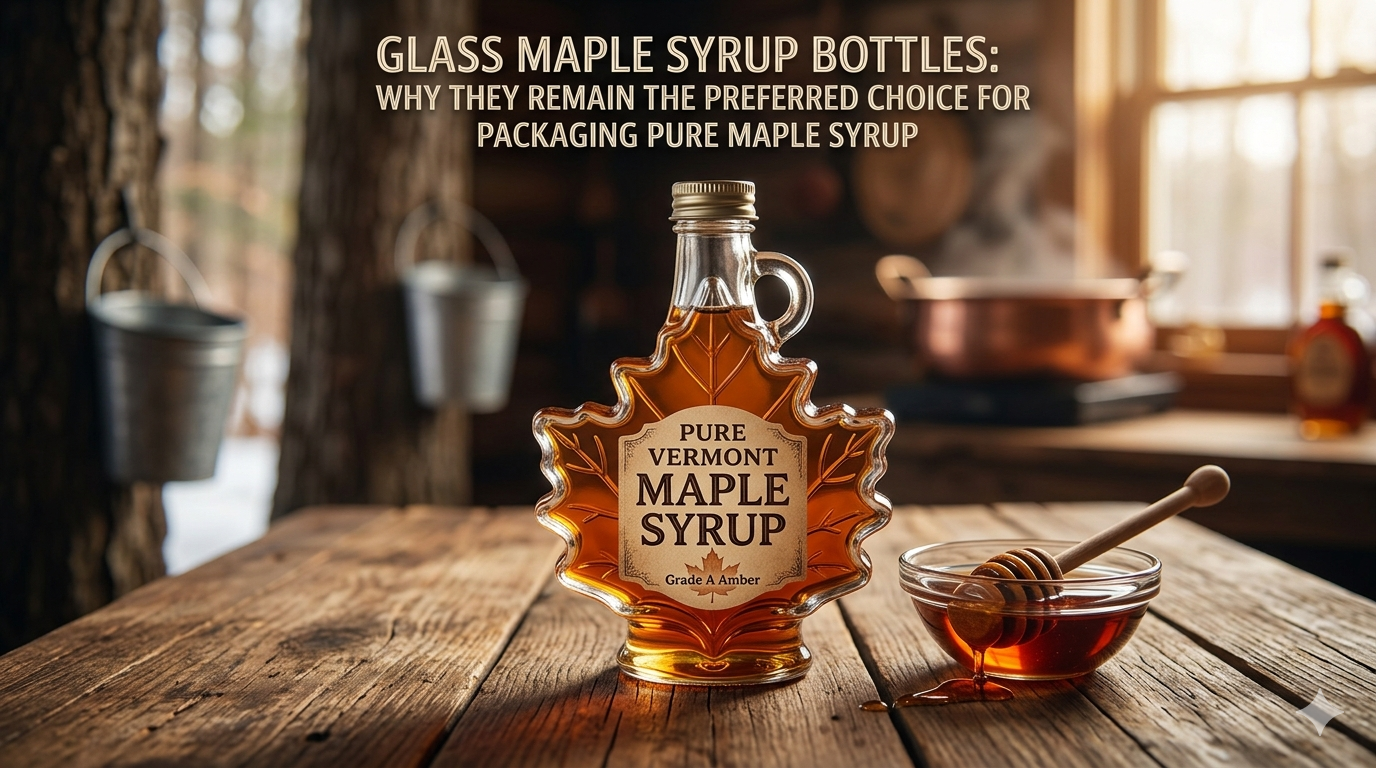
Maple syrup producers face an important decision when packaging their products: choosing a container that protects quality, enhances presentation, and preserves the authentic character of the syrup. While various packaging options exist today, glass continues to be the preferred material for many producers, retailers, and consumers. Understanding the role of glass maple syrup bottles helps buyers appreciate why this traditional packaging method remains relevant in a modern marketplace.
The container used for maple syrup affects more than appearance. It influences shelf life, product integrity, storage conditions, and customer perception. Whether purchased from a local sugarhouse, a farmers market, or a specialty food retailer, maple syrup packaged in glass often communicates quality and authenticity before the bottle is even opened.
As consumer interest in natural foods continues to grow, producers increasingly recognize that packaging choices can support both product preservation and brand reputation. Glass maple syrup bottles provide several advantages that align with these expectations.
Understanding the Importance of Glass Maple Syrup Bottles
Glass has been used for food and beverage packaging for centuries because it is durable, non-reactive, and highly effective at preserving contents. In maple syrup production, maintaining purity is essential. Since pure maple syrup contains no artificial preservatives, packaging plays a critical role in protecting flavor and freshness.
Unlike some packaging materials, glass does not absorb odors or transfer flavors. This characteristic helps preserve the unique taste profile that develops during the maple syrup production process. Whether the syrup has delicate vanilla notes, rich caramel undertones, or a robust maple flavor, glass helps maintain those characteristics over time.
Another advantage is visibility. Consumers can easily evaluate the syrup's color grade and clarity through a transparent bottle. This visual connection strengthens trust and allows buyers to appreciate the natural beauty of the product.
Common bottle styles include:
-
Traditional maple leaf bottles
-
Round glass bottles
-
Square glass bottles
-
Decorative gift bottles
-
Specialty artisan containers
Each style serves different purposes while maintaining the same preservation benefits associated with glass packaging.
A Step-by-Step Guide to Choosing the Right Glass Maple Syrup Bottle
Selecting the appropriate bottle depends on several practical considerations. Producers and retailers often evaluate multiple factors before making a decision.
Consider Bottle Capacity
Bottle size should match customer purchasing habits and intended use.
Common capacities include:
-
100 ml bottles for gifts and samples
-
250 ml bottles for casual household use
-
500 ml bottles for regular consumers
-
1-liter bottles for families and frequent users
Smaller bottles often work well for specialty gift shops, while larger formats appeal to customers seeking value and convenience.
Evaluate Closure Options
The bottle closure is just as important as the container itself.
Popular options include:
-
Metal twist caps
-
Tamper-evident caps
-
Decorative cork-style closures
-
Leak-resistant commercial caps
A secure closure helps prevent contamination and maintains freshness throughout storage and transportation.
Consider Storage Conditions
Glass performs exceptionally well in a wide range of storage environments. Producers should still ensure bottles are compatible with their filling temperatures and distribution requirements.
For example, hot-filled maple syrup requires bottles designed to withstand temperature changes without cracking or weakening.
Match Packaging to Brand Identity
Packaging should reflect the product's positioning.
A traditional sugarhouse may choose iconic maple leaf bottles to emphasize heritage. An artisan producer might prefer sleek modern containers that appeal to gourmet food enthusiasts. Matching bottle design to brand personality creates a stronger customer experience.
Common Mistakes and Challenges When Using Glass Bottles
Although glass offers many benefits, improper handling can create avoidable problems.
One common mistake is selecting a bottle based solely on appearance. Decorative bottles may look attractive but could present challenges during filling, labeling, shipping, or storage.
Another issue involves inadequate closure selection. Even premium glass containers can experience leakage if paired with low-quality caps. Consistent sealing performance should always be prioritized.
Transportation presents another challenge. Glass is heavier than many alternative materials and requires proper protective packaging during shipping. Producers often use dividers, cushioning materials, and reinforced cartons to minimize breakage risks.
Storage mistakes can also affect product quality. While glass protects syrup effectively, prolonged exposure to direct sunlight may gradually impact flavor and color. Storing bottled syrup in cool, dark environments helps maintain optimal quality.
Additional challenges include:
-
Increased shipping costs due to weight
-
Greater breakage risk during transit
-
Higher packaging expenses compared to some alternatives
-
Additional handling requirements in warehouse environments
These challenges are manageable when appropriate packaging and logistics practices are implemented.
Practical Tips and Expert Recommendations
Experienced maple syrup producers often follow several best practices to maximize the advantages of glass packaging.
First, prioritize food-grade bottles from reputable suppliers. Consistent manufacturing quality reduces defects and ensures reliable performance during filling operations.
Second, inspect bottles before use. Even minor imperfections can compromise container integrity. A quick inspection process helps identify damaged or flawed containers before production begins.
Third, maintain proper sanitation procedures. Clean bottles contribute to product safety and preserve syrup quality. Commercial producers typically follow strict sanitation standards throughout the packaging process.
Optimize Label Placement
Label design should complement the bottle shape rather than obscure the product itself.
Many successful maple syrup brands use labels that:
-
Clearly display product information
-
Leave portions of the syrup visible
-
Highlight grade classifications
-
Communicate production methods
Allowing consumers to see the syrup often enhances purchasing confidence.
Use Packaging That Supports Retail Display
Retail presentation influences purchasing decisions. Bottles that stand securely, stack efficiently, and display attractively can improve shelf performance.
Square bottles often maximize shelf space, while specialty shapes create visual distinction. The best choice depends on sales channels and merchandising goals.
Plan for Seasonal Demand
Maple syrup sales frequently increase during holidays and gift-giving seasons. Producers should secure bottle inventory well in advance to avoid shortages.
Many packaging suppliers experience increased demand during peak production periods. Early planning helps maintain operational efficiency and prevents costly delays.
Educate Customers About Proper Storage
Even the best packaging benefits from informed consumers.
Helpful recommendations include:
-
Refrigerate syrup after opening
-
Keep containers tightly sealed
-
Store unopened bottles in cool locations
-
Inspect products periodically for freshness
Providing simple storage guidance helps customers enjoy the product at its best.
Conclusion
Glass maple syrup bottles continue to play an important role in preserving the quality, appearance, and authenticity of pure maple syrup. Their non-reactive nature, visual appeal, and ability to maintain flavor make them a preferred packaging solution for many producers and consumers alike.
While challenges such as shipping weight and breakage require careful management, the benefits often outweigh the drawbacks. By selecting appropriate bottle styles, using reliable closures, maintaining sanitation standards, and following proven packaging practices, producers can protect product integrity and create a positive customer experience. For anyone involved in maple syrup production or purchasing, understanding the value of glass packaging provides insight into why this timeless choice remains an industry favorite.

 English
 Arabic
 French
 Spanish
 Portuguese
 Deutsch
 Turkish
 Dutch
Dutch
 Italiano
 Russian
 Portuguese (Brazil)
 Greek
Greek