


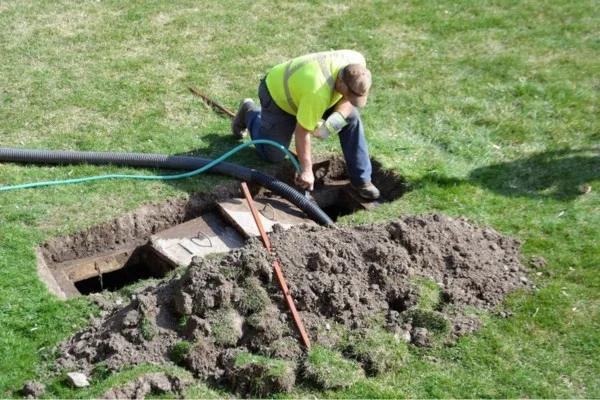
If your home runs on a septic system, it's easy to forget it's even there. Everything works quietly underground, and as long as your drains flow and your toilets flush, there's not much reason to think about it day to day. But that system needs attention, and residential septic tank cleaning is one of the most important things you can do to keep it running properly.
A lot of homeowners put off cleaning because they don't know what the process involves or they assume it's messy and complicated. It's actually a straightforward service when done by professionals, and understanding what happens from start to finish makes the whole thing a lot less intimidating.
Why Residential Septic Tank Cleaning Is Important
Your septic tank holds and processes all the wastewater leaving your home. Solids settle at the bottom over time, forming a sludge layer that keeps growing. Bacteria inside the tank break down some of it, but not all of it. Without regular cleaning, that sludge eventually takes up too much space, and the system starts to fail.
Regular septic tank cleaning prevents backups from reaching your home, extends the life of the entire system, and protects your household from the health risks that come with raw sewage exposure. It also keeps repair costs down. Catching a minor issue during a routine clean costs far less than fixing a collapsed drain field or replacing a damaged tank.
Signs You Need Residential Septic Tank Cleaning
Slow Drains in the House
When your tank is filling up, there's less room for incoming wastewater. The result is slow drainage across every sink, shower, and tub in your home. If it's one drain, you probably have a local clog. If it's all of them, your septic system needs attention.
Bad Odors Indoors or Outdoors
Sewage smells coming through your drains or from your yard near the tank or drain field area are a clear sign the system is under pressure. A well-maintained septic system doesn't produce noticeable odors.
Sewage Backups
If wastewater is coming back up through your drains or toilets, the tank is likely full or blocked. This is an emergency situation that needs immediate professional help.
Standing Water in the Yard
Wet or soggy patches forming in your yard near the tank or drain field during dry weather usually mean the system is overloaded and wastewater is surfacing underground.
Gurgling Sounds in Pipes
That gurgling noise after flushing is air being forced through a partially blocked line. It often appears in the early stages of a full or struggling septic system.
Step-by-Step Process of Residential Septic Tank Cleaning
Step 1 – Initial Inspection
Before anything is opened or removed, the technician will assess the overall condition of your system. They'll locate the tank access points, check the ground around it for signs of trouble, and evaluate how the system looks from the outside. This step helps them understand what they're working with before they start.
Step 2 – Opening the Septic Tank
Accessing the tank involves removing the lid, which is typically buried just below the surface. Technicians follow strict safety protocols at this stage because septic gases, including hydrogen sulfide, can be dangerous in enclosed or concentrated spaces. Professionals have the protective equipment and training to handle this safely.
Step 3 – Sludge and Waste Removal
This is the core of the service. A vacuum truck is used to pump out the solid waste, sludge, and liquids from inside the tank. The equipment is powerful enough to clear everything out efficiently. This part of the process is what most people picture when they think of septic tank pumping, and it's the step that makes the biggest difference to your system's performance.
Step 4 – Tank Cleaning
Once the tank is emptied, the interior walls may be rinsed or washed down depending on the level of buildup. This removes residue that could otherwise harden and take up space in the tank between service visits.
Step 5 – System Inspection
After cleaning, a good technician won't just close the tank and leave. They'll check the inlet and outlet baffles, look for any visible cracks in the tank walls, and inspect the connecting pipes. This is where minor issues get caught before they become expensive repairs.
Step 6 – Drain Field Check
Depending on the service package, the technician may also check the drain field. This involves looking at the soil absorption area for signs of saturation, blockage, or pooling water. Drain field problems are much easier and cheaper to address when caught early.
Step 7 – Final Report and Recommendations
At the end of the visit, you'll receive a summary of what was found and what was done. A reputable service will tell you the current condition of your tank, whether any issues were identified, and when your next service should be scheduled. This report is also useful to have on hand for property records or real estate purposes.
How Long Does Septic Tank Cleaning Take?
For most residential septic tanks, the full process takes between one and three hours. That includes setup, pumping, cleaning, inspection, and the final walkthrough.
A few things can add time to the job. A larger tank holds more waste and takes longer to pump. Tanks that haven't been serviced in many years may have heavy sludge buildup that requires more thorough cleaning. Systems that are harder to access, such as tanks buried deeper or located in tight spaces, also take longer to service properly.
How Often Should Residential Septic Tanks Be Cleaned?
The standard recommendation is every three to five years for most households. But that's a general guideline, not a universal rule.
Household size plays a big role. A family of five puts significantly more strain on the system than a couple. Smaller tanks fill faster than larger ones. Homes that use a garbage disposal send more solid waste into the tank, which speeds up sludge accumulation. High daily water usage also shortens the time between necessary pump-outs.
If you're not sure when your tank was last serviced, scheduling an inspection is the smart first step. A technician can check the sludge depth and tell you exactly where things stand.
What Affects the Cost of Septic Tank Cleaning?
Septic tank cleaning costs vary based on a few key factors. Tank size is the biggest one, since larger tanks require more time and equipment. The location and accessibility of the tank also matters. A tank that's easy to reach costs less to service than one buried deep or in a hard-to-access area of the property.
The level of sludge buildup affects the time and effort involved. A tank that hasn't been pumped in ten years takes more work than one on a regular maintenance schedule. Additional services like camera inspections or drain field checks add to the overall cost but are often worth including while the technician is already on site.
Emergency call-outs typically cost more than scheduled services, which is another reason to stay ahead of maintenance rather than waiting for a problem.
Benefits of Professional Residential Septic Tank Cleaning
Prevents Costly Repairs
Routine cleaning removes the buildup that causes drain field failure, pipe blockages, and tank damage. Preventing those problems is far cheaper than fixing them.
Improves System Efficiency
A clean tank processes wastewater the way it's supposed to. Drainage improves, capacity is restored, and the system performs better across the board.
Reduces Health Risks
Sewage contains harmful bacteria and pathogens. Regular cleaning keeps those contaminants contained and away from your family, your yard, and nearby water sources.
Extends System Lifespan
Septic systems that are properly maintained regularly last 25 to 30 years or more. Neglected systems fail much sooner, often requiring full replacement.
Early Problem Detection
Professional technicians spot early signs of damage, cracking, or drain field issues during routine visits. Catching these problems early saves significant money and stress.
Tips to Maintain Your Septic System After Cleaning
A clean tank is a fresh start. Here's how to keep it in good shape between service visits:
-
Only flush toilet paper and human waste. Wipes, paper towels, cotton balls, and hygiene products go in the trash, not the toilet.
-
Spread your laundry and dishwasher loads throughout the week instead of doing everything in one day.
-
Avoid pouring grease, harsh chemicals, or antibacterial cleaners down the drain. These damage the bacterial balance your tank needs to function.
-
Schedule a septic inspection every year or two to catch issues before they grow.
-
Keep vehicles, heavy equipment, and large trees away from the drain field area.
-
Fix leaking faucets and running toilets promptly to reduce unnecessary water flowing into the system.
DIY vs Professional Septic Tank Cleaning
It's worth being direct about this: residential septic tank cleaning is not a DIY job.
The gases that build up inside a septic tank are toxic and can be fatal in enclosed spaces without the right protective equipment. The equipment required, primarily a vacuum truck capable of handling thousands of gallons, is not something a homeowner can rent and operate safely.
Beyond safety, there are legal requirements around the transport and disposal of septic waste. Licensed professionals are authorized to remove and dispose of it according to provincial regulations. Doing it yourself, even if it were safe and practical, would likely put you in violation of environmental laws.
What professionals also bring is diagnostic knowledge. A trained technician doesn't just pump the tank and leave. They inspect the components, identify issues, and give you a clear picture of your system's health. That's information you simply can't get by trying to handle it yourself.
Conclusion
Residential septic tank cleaning is a structured, safe, and essential service for any home running on a septic system. Now that you know what the process looks like from start to finish, there's no reason to put it off or feel uncertain about what to expect.
The process is professional, relatively quick, and leaves your system in far better shape than before. More importantly, staying on a regular cleaning and inspection schedule protects your home, your health, and your property value.
If you're in Kelowna, West Kelowna, Penticton, or anywhere in the Okanagan and it's been a while since your last service, OK Eco Pump is ready to help. Their team handles residential septic tank cleaning, pumping, inspections, camera inspections, and emergency callouts with over 10 years of experience and the equipment to do it right. Book a service at okecopump.com today.

 English
 Arabic
 French
 Spanish
 Portuguese
 Turkish
 Dutch
Dutch
 Italiano
 Russian
 Romaian
 Portuguese (Brazil)
 Greek
Greek