


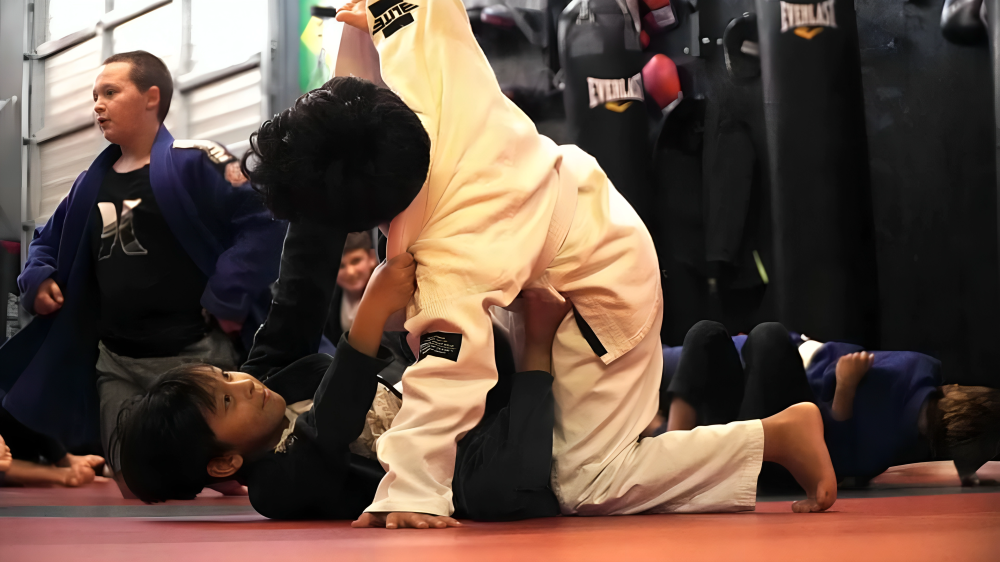
Brazilian Jiu Jitsu for teens has become one of the fastest-growing martial arts choices for young people around the world. Unlike striking-based sports, Brazilian Jiu Jitsu (BJJ) focuses on grappling, control, leverage, and technique rather than strength alone. This makes it especially suitable for teenagers who are still developing physically and mentally.
Many parents today are looking for structured activities that not only keep their children active but also help build character. Along with options like boxing or traditional karate programs such as those offered in northern karate schools, BJJ stands out for its practical approach to real-life self-defense and personal development.
What is Brazilian Jiu Jitsu?
Brazilian Jiu Jitsu is a martial art that evolved from traditional Japanese jiu jitsu and judo. It emphasizes ground fighting and submission techniques such as joint locks and chokeholds. The core philosophy is simple: a smaller or weaker person can successfully defend themselves against a larger opponent using proper technique and leverage.
For teenagers, this is particularly empowering. It teaches that size and strength are not everything—strategy and discipline matter just as much.
Why Brazilian Jiu Jitsu for Teens is So Effective
Teenagers face a unique stage of physical, emotional, and social development. Brazilian Jiu Jitsu for teens supports this stage in several important ways:
1. Builds Real Confidence
Unlike superficial confidence, BJJ builds earned confidence. Teens learn how to handle pressure situations on the mat, which translates into calmness in real-life challenges such as school stress or peer conflicts.
2. Encourages Discipline and Focus
Training sessions require attention to detail, repetition, and respect for instructors and partners. Over time, teens develop stronger concentration skills that can also improve academic performance.
3. Promotes Physical Fitness
BJJ is a full-body workout. It improves flexibility, endurance, strength, and coordination. Unlike repetitive gym routines, it keeps teens engaged because each class involves new techniques and live practice.
4. Teaches Self-Defense Safely
One of the biggest advantages of Brazilian Jiu Jitsu is its focus on control rather than aggression. Teens learn how to neutralize threats without striking, making it a safer and more responsible form of self-defense.
Social Benefits of Training
Beyond physical skills, Brazilian Jiu Jitsu for teens also helps develop strong social habits. Training partners rely on each other, which builds trust and teamwork. Teens learn respect, humility, and how to deal with both winning and losing in a healthy way.
This is especially important in today’s digital age, where many young people spend more time online than interacting face-to-face.
Comparison with Traditional Karate Training

Many families also consider programs at northern karate schools when choosing martial arts for their children. Traditional karate focuses more on structured forms (kata), striking techniques, and belt progression systems.
While karate builds discipline and striking skills, Brazilian Jiu Jitsu offers a different kind of advantage—ground control and real-time problem solving in close-contact situations.
In many cases, the best choice depends on the teen’s personality. Some prefer the structured, upright techniques of karate, while others enjoy the dynamic, hands-on grappling style of BJJ. Some students even choose to train in both for a more complete martial arts education.
Mental Strength and Emotional Growth
One of the most underrated benefits of Brazilian Jiu Jitsu for teens is mental resilience. During sparring sessions (often called “rolling”), teens experience controlled pressure situations where they may be submitted or lose position. Instead of seeing this as failure, they learn it as feedback.
This helps them build patience, emotional control, and a growth mindset. Over time, they become more comfortable with challenges and less afraid of setbacks.
Is Brazilian Jiu Jitsu Safe for Teens?
Yes, when taught properly, BJJ is considered one of the safest martial arts. Unlike striking-based systems, there is less risk of head injuries. Certified instructors ensure that techniques are taught gradually and safely, with controlled sparring appropriate for age and skill level.
Most academies also separate teens into age groups, ensuring a supportive and safe learning environment.
Long-Term Benefits
Teens who stick with Brazilian Jiu Jitsu often carry its lessons into adulthood. Some long-term benefits include:
- Better physical health and fitness habits
- Strong self-discipline and work ethic
- Increased confidence in social situations
- Ability to stay calm under pressure
- Strong problem-solving skills
These qualities are valuable not just in sports, but also in school, careers, and personal relationships.
Final Thoughts
Brazilian Jiu Jitsu for teens is more than just a sport—it is a complete system for physical, mental, and emotional development. It teaches discipline, confidence, and practical self-defense in a safe and structured environment.
While traditional options like northern karate schools continue to offer strong martial arts foundations, BJJ provides a modern, highly practical alternative that fits well with today’s active youth lifestyle.
For parents seeking a balanced activity that builds both character and fitness, Brazilian Jiu Jitsu is one of the most rewarding choices available today.

 English
 Arabic
 French
 Spanish
 Portuguese
 Deutsch
 Turkish
 Dutch
Dutch
 Italiano
 Russian
 Romaian
 Portuguese (Brazil)