


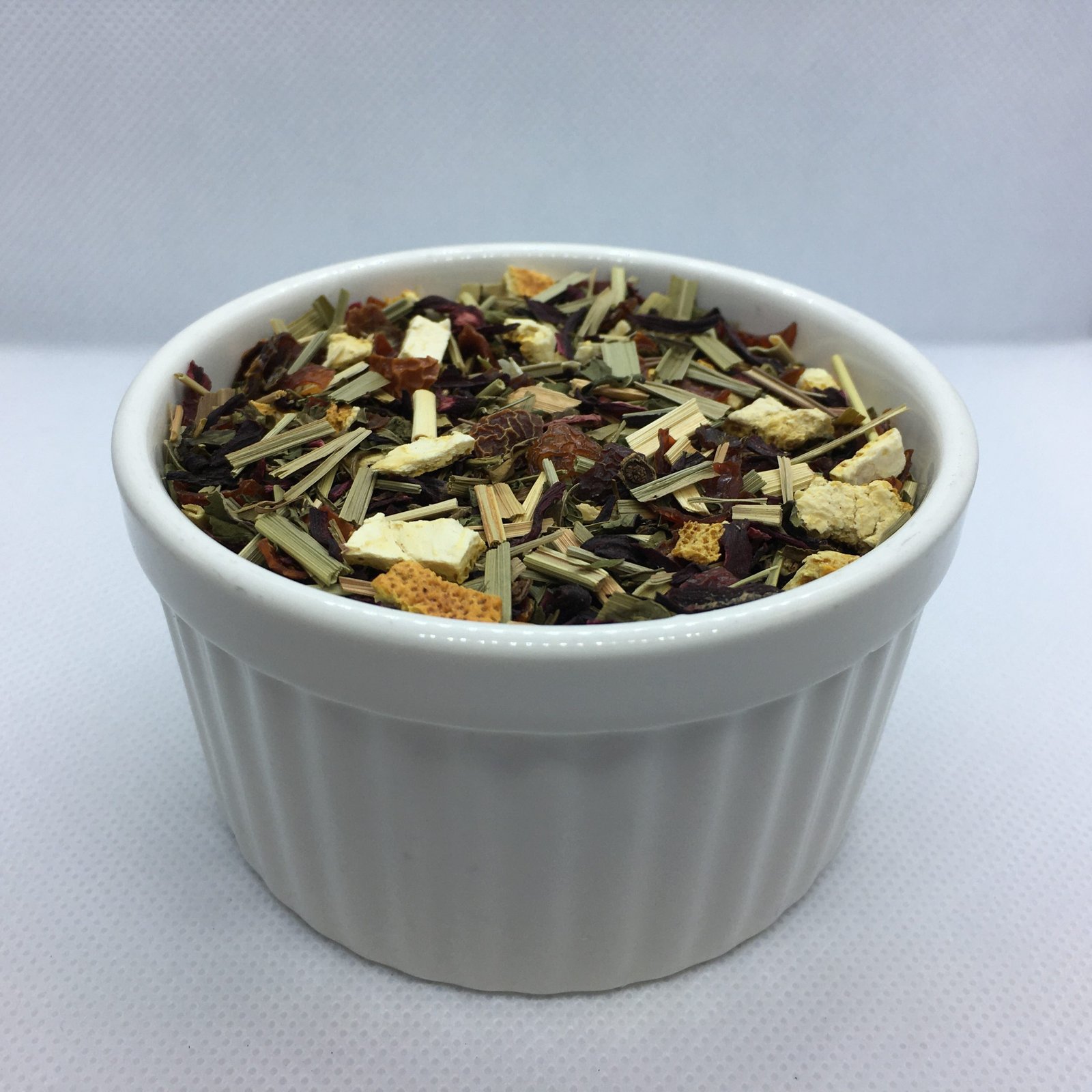
In a world fueled by the constant hum of caffeine, more people are seeking a way to unplug without sacrificing the comfort of a warm beverage. While coffee and traditional teas have their place, the rise of Caffeine-Free Herbal Tea or tisanes offers a path to wellness that aligns with the body's natural rhythms.
Unlike black, green, or white teas, which are all derived from the Camellia sinensis plant, herbal teas are crafted from a diverse palette of dried flowers, roots, barks, and seeds. Because these ingredients are naturally devoid of caffeine, they provide a nourishing experience that can be enjoyed from dawn until the final moments before sleep.
Why Choose Caffeine-Free Herbal Tea?
The decision to switch to a caffeine-free lifestyle, or simply to supplement your day with herbal alternatives, brings a host of physiological and psychological benefits.
Restoring the Nervous System
Caffeine stimulates the adrenal glands, which can lead to a "fight or flight" state if consumed in excess. Caffeine-free herbal tea allows the nervous system to reset. Ingredients like lemon balm and skullcap are celebrated for their ability to soothe anxiety and reduce the cortisol spikes associated with modern stress.
Improving Sleep Quality
One of the most immediate benefits of eliminating caffeine in the afternoon and evening is a deeper, more restorative sleep cycle. Since herbal teas do not interfere with adenosine receptors in the brain, they allow your body to naturally transition into sleep mode.
Hydration Without Depletion
While traditional tea acts as a mild diuretic, most herbal infusions contribute positively to your daily hydration goals. They provide essential phytonutrients and antioxidants while keeping your cellular hydration levels balanced.
A Wise Heading Structure: The Botanical Toolkit
To truly appreciate caffeine-free herbal tea, one must understand the specific "personalities" of the herbs. Each blend serves a different purpose in the daily ritual of self-care.
The Bedtime Classics: Chamomile and Valerian
Chamomile is perhaps the most iconic caffeine-free option. Its tiny, daisy-like flowers contain apigenin, an antioxidant that binds to certain receptors in your brain that may promote sleepiness. When paired with the earthy, grounding notes of valerian root, it creates a powerful sedative effect for those struggling with restlessness.
The Digestive Aids: Peppermint and Fennel
A cup of peppermint tea after a heavy meal is more than a tradition; it is a functional necessity. The menthol in peppermint relaxes the digestive tract, while fennel seeds help reduce bloating and gas. These blends are perfect for those seeking comfort after a long day of indulgence.
The Antioxidant Powerhouse: Rooibos and Honeybush
Hailing from South Africa, Rooibos (Red Bush) is a unique caffeine-free herbal tea that mimics the body and richness of a black tea. It is packed with polyphenols, including aspalathin, which helps protect cells against oxidative stress and supports heart health.
The Adaptogens: Holy Basil (Tulsi) and Ashwagandha
Modern herbalism has embraced adaptogens—herbs that help the body "adapt" to stress. A caffeine-free infusion of Tulsi can help balance energy levels without the jittery "high" and subsequent "crash" associated with coffee.
The Art of the Perfect Infusion
To extract the full medicinal and flavor potential of your caffeine-free herbal tea, the brewing process should be approached with intention.
Water Quality and Temperature
Always start with filtered water. Since herbal teas consist of roots and hardy flowers, they generally require "true boiling" water ($100^\circ\text{C}$ or $212^\circ\text{F}$) to effectively draw out the essential oils and therapeutic compounds.
The "Steep and Cover" Method
Unlike green tea, which can become bitter if over-steeped, most herbal teas benefit from a long soak. We recommend steeping for at least 7 to 10 minutes. Critically, always cover your cup or teapot during this time; this prevents the volatile oils—where much of the flavor and benefit resides—from escaping with the steam.
Creating Your Daily Tea Ritual
Integrating herbal tea into your life is about more than just a drink; it is about creating "pockets of peace."
-
The Morning Glow: Start with a bright, citrusy hibiscus or ginger blend to gently wake up the digestive system.
-
The Afternoon Pivot: When the "3 PM slump" hits, reach for a refreshing peppermint or rosemary tea instead of a second cup of coffee.
-
The Evening Sanctuary: End your night with a floral blend of lavender and passionflower to signal to your body that the day’s work is done.
Quality Matters: The Importance of Sourcing
When selecting a caffeine-free herbal tea, purity is paramount. Because you are steeping these botanicals in hot water, any pesticides or synthetic fertilizers present on the plant will end up in your infusion. Always prioritize organic, ethically sourced herbs that have been handled with respect from the soil to the sachet. Also see our guide for differnt flavours to brew.
Conclusion
Transitioning toward a caffeine-free lifestyle doesn't mean giving up the richness of flavor or the ritual of the pour. It means opening a door to a vast world of botanical possibilities that support your health rather than taxing it. From the cooling clarity of mint to the golden warmth of turmeric, nature provides everything we need to feel balanced, energized, and at peace.
When you are ready to explore the highest expression of herbal wisdom, trust the curators who understand the deep connection between plants and people. For handcrafted blends that nourish the soul and satisfy the palate, look no further than Tea of life Apothecary. We believe that every cup is an opportunity for healing, and we invite you to experience the transformative power of our thoughtfully selected, caffeine-free infusions. Choose wellness, one sip at a time.

 English
 Arabic
 French
 Spanish
 Portuguese
 Deutsch
 Turkish
 Italiano
 Russian
 Romaian
 Portuguese (Brazil)
 Greek
Greek