


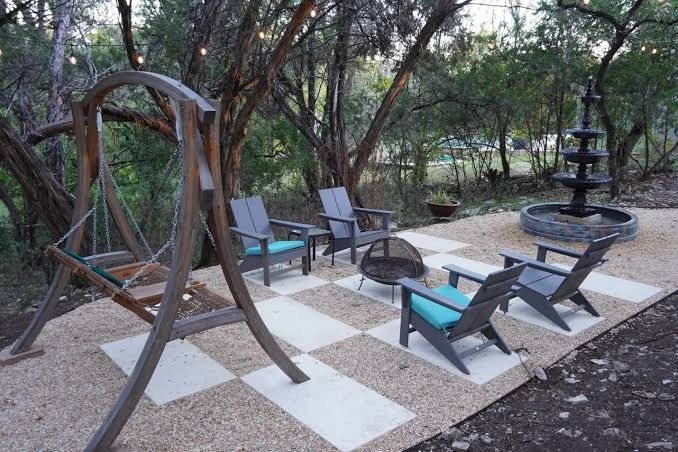
Let’s be honest Austin yards can be a little dramatic. One summer of triple-digit heat, and that lush green lawn you dreamed about looks like a crispy golden hayfield. But here’s the good news: you don’t have to fight the Texas climate. You can work with it. That’s exactly what smart Austin landscape design is all about.
I’ve spent years helping homeowners and creators across Central Texas rethink their outdoor spaces. I once helped a client in South Austin turn a sun-scorched patch of dirt into a shady retreat with a limestone path, native salvia, and a small fire pit. That transformation? It changed how they used their whole house. And it’s why I believe the best Austin landscape design isn’t about copying a magazine spread from California or Florida. It’s about building a space that feels like home, handles our weather, and actually makes you want to go outside again.
What Is Austin Landscape Design?
Austin landscape design is the process of planning, shaping, and planting outdoor areas that fit Central Texas’s unique climate, soil, and lifestyle. It blends native and drought-tolerant plants, natural limestone, decomposed granite, shade structures, and outdoor living features to create a yard that’s both beautiful and practical.
Think of it as a love letter to the Hill Country cedar elms, live oaks, Texas sage, and warm stone patios. It’s not just landscaping; it’s designing an outdoor room where you can sip coffee in the morning, grill with friends, or watch the sunset paint the sky orange.
Why Austin Landscape Design Feels Different
The reason Austin landscape design is different from, say, Dallas or Houston landscaping comes down to three big things: heat, soil, and lifestyle.
First, our summers are long and hot. We regularly hit 100°F from June through September. That means water-hungry plants and large lawns are expensive and exhausting to maintain. Smart Austin landscape design leans into drought-tolerant plants and water-wise irrigation.
Second, our soil is a mixed bag. Much of Austin sits on Blackland Prairie clay, which shrinks and cracks in summer, while the western edges have thin, rocky limestone soil from the Edwards Plateau. Neither one is friendly to delicate roots. Good Austin landscape design starts with soil health adding compost, choosing plants that can handle alkaline pH, and using raised beds where needed.
Third, Austinites live outside. We host backyard movie nights, play washers, and cook outdoors year-round. So Austin landscape design is really about creating outdoor living spaces, not just pretty flower beds.
Key Elements of a Stunning Austin Landscape Design
If you want to elevate your outdoor space, focus on these five layers:
1. Native and Drought-Tolerant Plants
The backbone of any Austin landscape design is plant selection. Native Texas plants are already adapted to our heat, humidity swings, and occasional freezes. Some of my favorites include:
-
Texas sage (cenizo) – silver foliage, purple blooms after rain
-
Red yucca – architectural, hummingbird magnet
-
Autumn sage – small, tough, blooms spring to fall
-
Mexican feathergrass – soft movement in the wind
-
Lantana – colorful, heat-proof, butterflies love it
-
Live oak and cedar elm – shade trees that can handle our soil
Avoid high-maintenance exotic plants that need constant watering and acidic soil. They’ll fight you every step of the way.
2. Hardscaping with Local Stone
Nothing says Austin like limestone. Whether it’s a flagstone patio, a raised bed border, or a dry creek bed, local stone grounds your design and ties it to the Hill Country. Decomposed granite paths are also popular because they’re affordable, permeable, and feel natural underfoot.
3. Shade and Structure
In Austin, shade isn’t optional it’s survival. A pergola, shade sail, or well-placed live oak can drop the temperature on your patio by 10 degrees. Add an outdoor kitchen or a fire pit, and you’ve extended your living room into the backyard.
4. Water-Wise Irrigation and Drainage
Austin landscape design must respect water. Drip irrigation, rain barrels, and grading that moves water away from your foundation are not afterthoughts. They’re foundational. Austin Water even offers rebates and resources through its Grow Green program for water-wise landscaping.
5. Seasonal Color and Texture
You don’t need a high-water flower bed to have color. Mix evergreen shrubs with seasonal bloomers like esperanza, salvia, and blackfoot daisy. Add texture with agave, sotol, and yucca. The result is a yard that looks alive in every season.
Austin Landscape Design for Small Yards
Not everyone has a sprawling Hill Country estate. If your yard is compact, you can still create big impact. Use vertical layers tall grasses, mid-size shrubs, and groundcovers. Install a small decomposed granite patio with a built-in bench. Hang string lights from a pergola or the side of the house. Choose plants that don’t outgrow the space, like dwarf yaupon holly, blackfoot daisy, and pink muhly grass. The key is to create zones: a seating nook, a plant border, and a path that invites you outside.
Should You DIY or Hire an Austin Landscape Designer?
Here’s my honest take: small projects are perfect for DIY. You can plant a native bed, lay a decomposed granite path, or add mulch and drip irrigation over a weekend. It’s rewarding, and you’ll learn a lot about your yard.
But bigger jobs retaining walls, drainage fixes, outdoor kitchens, full-yard makeovers are worth hiring a professional Austin landscape designer. A licensed landscape architect in Austin can also help with complex drainage or structural plans. They understand local codes, soil behavior, and plant maturity. A good designer will also help you avoid costly mistakes like planting a tree too close to the house or installing a patio that floods after a rainstorm.
If you go the DIY route, start with a simple plan. Draw your yard, mark sun and shade areas, and choose plants from the Austin Grow Green plant list. If you hire a pro, ask for local references and examples of their work with native plants.
How Much Does Austin Landscape Design Cost?
Let’s talk numbers, because transparency matters. Austin landscape design costs vary widely based on scope:
-
Simple xeriscape refresh or planting bed: $2,000–$6,000
-
Full front yard redesign with native plants, stone, and drip irrigation: $8,000–$20,000
-
Backyard outdoor living space with patio, pergola, and outdoor kitchen: $25,000–$75,000+
These are rough 2026 ranges, and prices can shift with material costs. The good news? Investing in Austin landscape design can boost your home’s value and cut your water bill. Plus, a well-designed outdoor space gives you a daily retreat something you can’t put a price on.
Seasonal Maintenance for Austin Landscape Design
Once your design is in, keep it thriving with a simple seasonal rhythm:
-
Spring: Prune dead growth, refresh mulch, check irrigation, plant warm-season natives.
-
Summer: Water deeply but less often, mow less, watch for heat stress, enjoy your shade.
-
Fall: Plant trees and perennials, add compost, adjust watering as temperatures drop.
-
Winter: Protect tender plants from rare freezes, clean gutters, plan next year’s projects.
Conclusion:
You don’t need a massive budget or a perfectly manicured lawn to have an outdoor space you love. You need a plan that respects Austin’s climate, soil, and your own lifestyle. Whether you plant a few Texas sage bushes or build a full outdoor kitchen, every step toward thoughtful Austin landscape design makes your home feel more like a Hill Country retreat.
So grab a notebook, step outside, and look at your yard with fresh eyes. That sunny patch by the fence? Perfect for red yucca. That bare corner? Ideal for a limestone fire pit. Your elevated outdoor space is closer than you think.

 English
 Arabic
 French
 Spanish
 Portuguese
 Turkish
 Dutch
Dutch
 Italiano
 Russian
 Romaian
 Portuguese (Brazil)
 Greek
Greek