


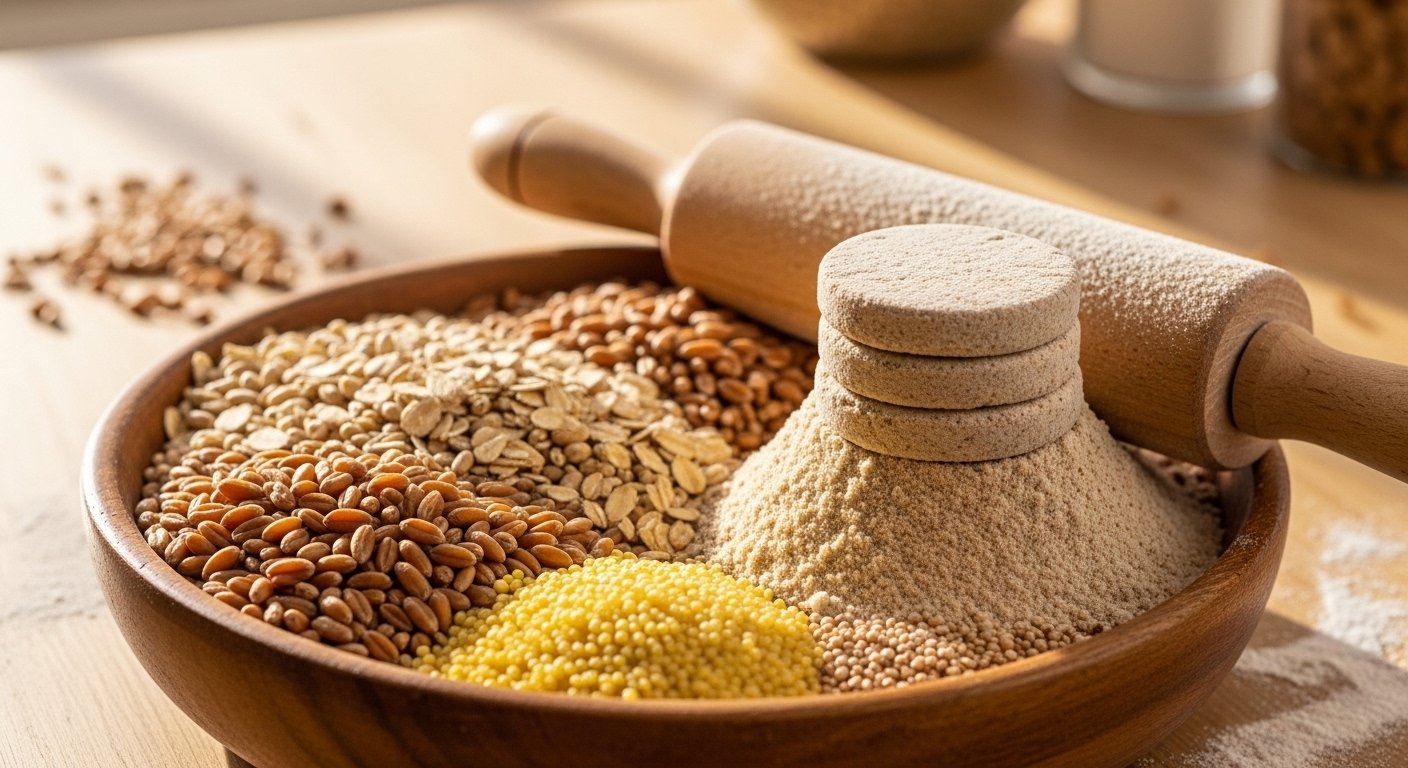
If you have been scrolling through flour options wondering which one actually deserves a spot in your kitchen, this guide is for you. Multigrain atta made from eight different grains has quietly become one of the most talked-about staples for health-conscious Indian households, and for good reason. It is not just another flour swap; it is a genuine upgrade in nutrition, taste, and everyday wellbeing.
In this post, we break down what 8 grain multigrain atta actually is, why it beats regular wheat flour, how it is made, and how you can use it in your daily cooking.
What Is 8 Grain Multigrain Atta?
Multigrain atta is exactly what it sounds like: a flour blend created from multiple grains instead of relying on wheat alone. An 8 grain version typically combines wheat with other nutrient-dense ingredients such as soya, chana (gram), barley, oats, maize, rice flour, and psyllium husk. Each grain brings its own strengths to the mix, so the final flour ends up richer in protein, fibre, and essential minerals than a single-grain atta could ever be.
The idea behind blending grains isn't new. Traditional Indian kitchens have long combined flours for specific health needs. What has changed is the convenience: today you can buy a ready-made, carefully balanced multigrain blend instead of measuring and mixing grains yourself every week.
Why Choose Multigrain Over Regular Atta?
Plain wheat atta isn't bad, but it is limited. It offers carbohydrates and some fibre, but not much beyond that. Multigrain atta closes those nutritional gaps.
Here's what an 8 grain blend typically brings to the table:
- Higher protein content – thanks to ingredients like soya and chana, multigrain atta can offer significantly more protein per serving than regular wheat flour.
- More dietary fibre – oats, barley, and psyllium husk are known for their fibre content, which supports digestion and helps you feel fuller for longer.
- A wider mineral profile – grains like maize and barley contribute minerals such as iron, zinc, and manganese, which play a role in immunity, energy, and overall metabolic health.
- Complex carbohydrates – instead of a quick sugar spike, multigrain atta provides slow-releasing energy, which is especially useful for people managing weight or blood sugar levels.
- Better satiety – the combination of protein and fibre means rotis made from this flour tend to keep hunger pangs away for longer, a common benefit reported by people who switch from single-grain atta.
How Is Stone Ground Multigrain Atta Made?
The milling process matters just as much as the grain blend itself. Stone grinding is a traditional technique where grains are crushed slowly between stone wheels, rather than being processed at high speed through steel rollers.
This slower method has a few key advantages:
- Nutrient preservation – high-speed milling generates heat that can degrade certain vitamins and enzymes. Stone grinding keeps temperatures low, protecting the natural nutrient content.
- Better flavour and aroma – stone-ground flour tends to retain a more authentic, earthy taste that many people associate with homemade atta.
- Improved texture for rotis – the coarser, more natural grind often results in softer, more pliable dough.
Some brands go a step further by milling the flour fresh only after an order is placed, rather than storing pre-ground stock for weeks. Freshly milled flour has less time to lose its natural oils and nutrients, which can make a noticeable difference in both taste and shelf freshness.
Nutritional Snapshot (Per 100g)
While exact numbers vary slightly by brand and grain ratio, a good quality 8 grain multigrain atta generally offers:
- Protein: around 14g
- Dietary fibre: around 13g
- Essential minerals including iron, zinc, and manganese
- Complex carbohydrates for sustained energy release
These numbers make multigrain atta a solid choice for anyone trying to increase protein and fibre intake without dramatically changing their diet. Since rotis are eaten almost daily in most Indian households, even a small nutritional upgrade to your everyday flour can add up significantly over time.
Who Benefits Most From Multigrain Atta?
While multigrain atta is a good fit for almost anyone looking to eat a little healthier, it is particularly useful for:
- People managing weight – higher fibre and protein content promotes satiety, which can help reduce overeating.
- Those focused on gut health – fibre-rich grains like oats, barley, and psyllium husk support healthy digestion.
- Fitness-focused individuals – the added protein from soya and chana complements a high-protein diet.
- Families wanting cleaner eating – a chemical-free, additive-free flour is a simple way to reduce processed ingredients in daily meals.
- People monitoring blood sugar – complex carbohydrates and fibre can help slow down glucose absorption compared to refined flours.
Fine vs Coarse Grind: Which Should You Choose?
Multigrain atta is often available in two grind options:
- Fine grind is smoother and works well for soft, pliable rotis and parathas, similar to the texture most people are used to with regular atta.
- Coarse grind retains more of the grain's natural texture and is often preferred by those who want a heartier bite or are used to traditional stone-ground flour.
Neither option is objectively better; it largely comes down to personal preference and what you are cooking. Fine grind tends to be more versatile for everyday rotis, while coarse grind can add rustic texture to parathas and multigrain bread.
How to Use Multigrain Atta in Your Kitchen
One of the best things about multigrain atta is how easily it fits into existing recipes. There's no need to relearn your cooking routine. Common uses include:
- Chapatis and rotis – the most common use, offering a slightly nuttier taste than regular wheat rotis.
- Parathas – the added fibre and protein make stuffed or plain parathas more filling.
- Breads – multigrain atta can be used to bake denser, more nutrient-rich homemade bread.
- Puris – for those who enjoy the occasional fried treat, multigrain puris offer a slightly healthier twist.
A small tip: since multigrain atta absorbs water differently than regular wheat flour due to its fibre content, you may need to knead the dough a little longer and let it rest for 15–20 minutes before rolling. This helps achieve a softer, more manageable dough.
What to Look for When Buying Multigrain Atta
Not all multigrain attas are created equal. When choosing a brand, keep these factors in mind:
- Grain transparency – look for brands that clearly list every grain used in the blend, rather than vague terms like "mixed grains."
- Milling method – stone-ground flour generally retains more nutrients than commercially roller-milled flour.
- Freshness – flour milled closer to your purchase date will have better flavour and nutrient retention.
- No additives or preservatives – a clean-label product should not contain artificial chemicals or bleaching agents.
- Packaging – proper sealed packaging helps preserve freshness and prevents contamination during transit.
Frequently Asked Questions
Is multigrain atta good for daily consumption? Yes. Multigrain atta is designed to be a direct replacement for regular wheat atta and is suitable for everyday cooking, offering more balanced nutrition without requiring any change to your usual recipes.
Does multigrain atta taste different from regular atta? It does have a slightly different, often nuttier and earthier flavour due to the inclusion of grains like barley, oats, and maize. Most people find the taste pleasant and even prefer it once they get used to it.
Can multigrain atta help with weight management? Its higher protein and fibre content can support satiety, meaning you may feel fuller for longer, which can indirectly support weight management goals when combined with a balanced diet.
Is multigrain atta suitable for diabetics? The complex carbohydrates and fibre in multigrain atta lead to a slower release of glucose compared to refined flours, which many people managing blood sugar find beneficial. That said, individuals with specific health conditions should consult a doctor or nutritionist before making dietary changes.
How should multigrain atta be stored? Store it in a cool, dry place in an airtight container to preserve freshness. Since it is often milled without preservatives, it's best used within a reasonable time frame rather than stored for very long periods.
Final Thoughts
Switching to an 8 grain multigrain atta is one of the simplest dietary upgrades you can make without overhauling your entire routine. You keep making the same rotis, parathas, and breads your family already loves, just with a meaningfully better nutritional profile behind every bite. Between the added protein, fibre, and minerals, plus the benefits of traditional stone grinding, multigrain atta offers a practical way to eat a little healthier, one roti at a time.

 English
 Arabic
 French
 Spanish
 Portuguese
 Turkish
 Dutch
Dutch
 Italiano
 Russian
 Romaian
 Portuguese (Brazil)
 Greek
Greek