


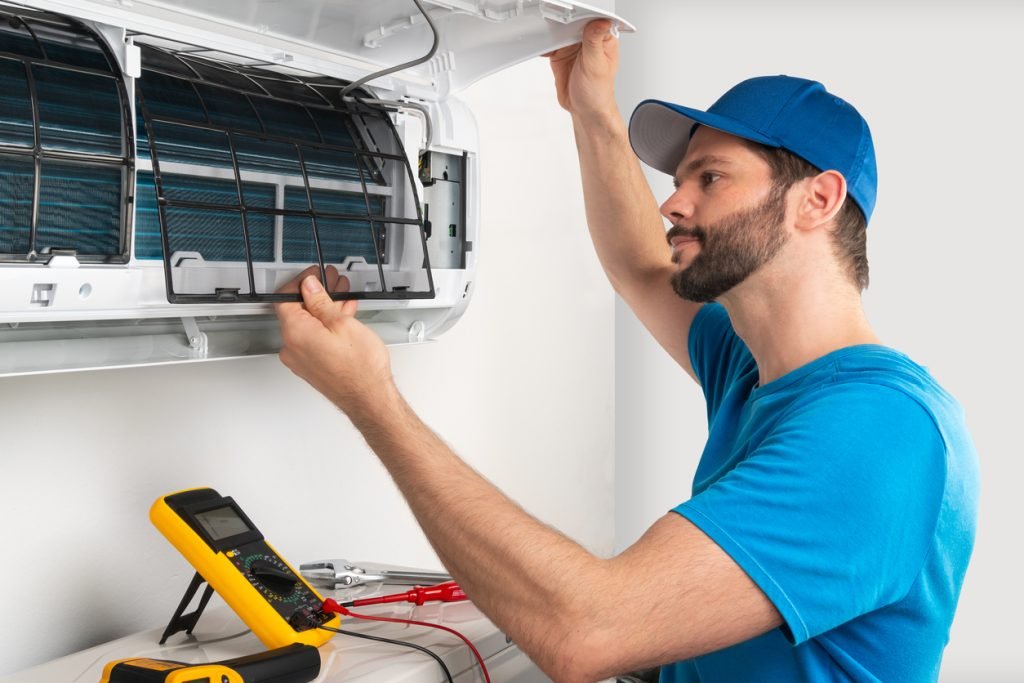
A home does not always announce an HVAC problem with a total shutdown.
Sometimes it starts quietly.
One bedroom feels warmer than the rest of the house. The system runs longer than usual. A faint rattle shows up at night. The air feels heavy even though the thermostat says everything should be fine.
Then one day, the unit stops keeping up.
That is why knowing the early warning signs matters. The goal is not to panic over every sound or temperature swing. The goal is to understand when HVAC repair services can solve the problem and when full replacement may be the smarter long-term move.
Key Takeaways
Small HVAC problems often show up before major breakdowns.
Age, repair frequency, comfort issues, and energy costs all matter.
Replacement makes sense when repair costs keep stacking up.
A professional inspection helps homeowners avoid guesswork.
What HVAC Repair Services Actually Help With
HVAC repair services are designed to diagnose and correct problems inside your heating and cooling system before they become larger failures.
That may include airflow issues, electrical faults, refrigerant problems, thermostat errors, worn parts, drainage concerns, blower motor trouble, or heat pump performance issues.
A good repair visit should not feel like a guessing game. The technician should check the system, explain what is happening, and help you understand whether the unit still has a reliable life left.
Why Small HVAC Problems Become Bigger Ones
HVAC systems work as connected parts. When one part struggles, another part often works harder to make up for it.
A clogged filter can strain airflow. Poor airflow can make the blower motor work harder. Low refrigerant can stress the compressor. Dirty coils can reduce efficiency. Electrical issues can cause short cycling or shutdowns.
That is why waiting too long can turn a simple repair into a larger system concern.
As Benjamin Franklin famously said, “An ounce of prevention is worth a pound of cure.”
That idea fits HVAC systems well. Early attention usually costs less than emergency attention.
12 Signs Your System Needs Repair Or Replacement
1. The System Runs, But The House Still Feels Uncomfortable
If your HVAC system is running but rooms still feel too hot, too cold, or uneven, something is not working as it should.
This may come from weak airflow, duct leakage, dirty coils, thermostat issues, insulation gaps, or equipment that is no longer sized well for the home.
Repair may help when the problem is tied to a part, airflow blockage, thermostat setting, or maintenance issue.
Replacement may be worth discussing when the system is old, undersized, oversized, or repeatedly unable to keep the home comfortable.
2. Your Energy Bills Keep Rising Without A Clear Reason
A higher bill does not always mean your HVAC system is failing. Weather changes, usage habits, and utility rates can all affect monthly costs.
But if bills rise while your comfort drops, the system may be losing efficiency.
ENERGY STAR notes that if HVAC equipment is more than 10 years old or no longer keeping the house comfortable, homeowners should have it evaluated by a professional contractor. ENERGY STAR also states that replacing old heating and cooling equipment with certified equipment can reduce annual energy bills by nearly $140, depending on location.
That does not mean every older system needs immediate replacement. It means age plus rising cost deserves a closer look.
3. You Hear New Or Unusual Noises
HVAC systems make some normal operating sounds. New sounds are different.
Pay attention to:
Grinding
Squealing
Rattling
Buzzing
Banging
Clicking that does not stop
A loose panel may be simple. A failing motor, worn belt, electrical issue, or compressor concern can be more serious.
The important thing is timing. A sound that starts suddenly should not be ignored.
4. The System Turns On And Off Too Often
Short cycling happens when the system starts and stops repeatedly instead of completing a normal heating or cooling cycle.
This can happen because of a clogged filter, a thermostat problem, an electrical issue, a refrigerant problem, or oversized equipment.
Short cycling is hard on the system. It can increase wear, reduce comfort, and raise energy use.
If this keeps happening, schedule an inspection before the repeated cycling damages larger components.
5. Airflow Feels Weak From The Vents
Weak airflow can make a home feel uncomfortable even when the system is producing heated or cooled air.
Possible causes include the following:
Dirty filters
Blocked vents
Blower motor issues
Duct leaks
Dirty coils
Poor duct design
This is one of those signs homeowners often notice but delay. The problem is that weak airflow forces the system to work harder.
That extra strain can shorten equipment life.
6. Some Rooms Feel Fine While Others Never Do
One room is freezing. Another feels stuffy. The hallway feels normal.
Uneven comfort may come from ductwork problems, insulation gaps, poor airflow balancing, sun exposure, crawlspace conditions, or an aging unit that cannot distribute air properly.
This does not always mean the HVAC system needs replacement.
Sometimes repairs, maintenance, duct adjustments, or insulation improvements can solve the issue. But if uneven comfort continues after repeated service, the full system design may need review.
Repair Or Replace Decision Guide
Here is a simple way to think through the decision.
| Sign Your Notice | Repair May Make Sense When | Replacement May Make Sense When |
| Uneven temperatures | A duct, airflow, or thermostat issue is found | The system is old and still cannot keep up |
| Rising energy bills | Dirty coils, clogged filters, or worn parts are corrected | Efficiency keeps dropping after repairs |
| Frequent breakdowns | Issues are minor and spaced far apart | Repairs happen season after season |
| Loud operation | A single part or loose component is causing noise | Major components are wearing out |
| Poor humidity control | A drainage, airflow, or maintenance issue is present | The system no longer controls comfort well |
7. You Notice Strange Smells
A musty smell may point to moisture, drainage issues, dirty coils, or duct concerns.
A burning smell may point to electrical trouble, overheating parts, or dust burning off after startup. If the smell is strong, persistent, or concerning, shut the system off and call a professional.
Smells are not something to mask with candles or sprays. The source needs attention.
8. The Thermostat And Room Temperature Do Not Match
If the thermostat says 72 but the house feels far from it, the issue may be with the thermostat, sensor location, wiring, calibration, or the system itself.
Before assuming the equipment has failed, check basic items:
Make sure the thermostat is set correctly.
Replace batteries if needed.
Confirm vents are open.
Check the air filter.
Note whether the issue affects one room or the whole home.
If those basics do not solve it, professional diagnostics can prevent unnecessary replacement.
9. The Unit Leaks Water Or Shows Moisture Issues
Moisture around indoor HVAC equipment should be checked.
It may come from a clogged condensate drain, frozen coil, damaged drain pan, or installation-related issue.
Water near electrical equipment is never something to shrug off. Left alone, it can damage nearby areas, create indoor air concerns, and interrupt system performance.
10. Repairs Are Becoming More Frequent
One repair does not automatically mean replacement.
But several repairs in a short period tell a different story.
When homeowners keep paying for service calls, parts, temporary fixes, and comfort problems, the real question becomes: Is the system being repaired or only kept alive?
A useful rule is to compare repair cost, system age, comfort performance, and expected reliability. If the system is older and repairs are becoming routine, replacement may protect the budget better over time.
11. The System Is More Than 10 Years Old
Age alone does not decide everything. A well-maintained system can often keep working beyond 10 years.
Still, age changes the conversation.
Older systems may have lower efficiency, worn components, outdated technology, or refrigerant concerns. Replacement parts may also become harder or more expensive to source, depending on the equipment.
If your system is older and also showing weak airflow, rising bills, frequent repairs, or poor comfort, it is time to compare repair against replacement.
12. The System Breaks Down During Peak Weather
A breakdown during a hot afternoon or cold night is more than inconvenient. It can disrupt sleep, comfort, and safety.
Peak season breakdowns often happen because the system is under its heaviest load.
If the system has already been showing warning signs, this type of failure may be the final signal that a deeper evaluation is needed.
When Should You Call A Professional?
Call a professional when the system stops heating or cooling, makes loud new sounds, leaks water, trips breakers, smells unusual, or fails to maintain a steady temperature.
You should also call when the same issue keeps returning after basic filter changes and thermostat checks.
For homeowners searching for HVAC repair Cameron NC, the goal should be a clear diagnosis first. A reliable visit should explain what failed, why it matters, what the repair involves, and whether replacement should be considered.
What Most Homeowners Get Wrong
Many homeowners assume replacement is only needed after a complete breakdown.
That can lead to rushed decisions.
The better approach is to watch the pattern. One repair may be normal. Repeated repairs, poor comfort plus rising energy use may point toward a system that is nearing the end of practical service.
Another common mistake is blaming the HVAC unit for every comfort problem. Sometimes the issue is ductwork, insulation, crawlspace moisture, thermostat placement, or electrical performance.
The smartest decision comes from looking at the whole home, not just the equipment.
How To Make A Smart Repair Or Replacement Decision
Use this simple comfort check:
How old is the system?
How often has it needed repairs?
Are energy bills rising?
Are rooms still uncomfortable?
Are repairs becoming expensive?
Does the system run longer than it used to?
Has a technician explained the root cause clearly?
If most answers point to age, repeated failure, and poor comfort, replacement may be the stronger option.
If the system is newer, the issue is isolated, and the repair is practical, the repair may be enough.
Choosing The Right HVAC Company
The right HVAC company Cameron NC, should do more than arrive with tools.
Look for a company that explains the issue in plain language, checks safety concerns, reviews system conditions, and helps you understand your options without pressure.
Homeowners need practical guidance, not scare tactics.
JL HVAC & Electrical LLC provides HVAC installation, maintenance, repair, electrical support, crawlspace encapsulation, generator services, and occasional insulation support for homeowners who want dependable comfort solutions.
Final Verdict
HVAC problems rarely begin with the loudest warning. They usually begin with small changes in comfort, sound, airflow, energy use, or system behavior.
The best time to act is before those small signs become expensive emergencies.
When homeowners understand the difference between repair symptoms and replacement signals, they can make better choices for comfort, safety, and long-term value. If your system is making noise, struggling to keep up, leaking, cycling too often, or needing repeated HVAC repair services, schedule a professional inspection and get clear answers before the next season puts your system under pressure.
FAQs
1. How do I know if my HVAC system needs repair?
Your HVAC system may need repair if it makes unusual noises, blows weak air, cycles too often, leaks water, smells strange, or cannot keep rooms comfortable.
2. When should I replace instead of repairing my HVAC system?
Replacement may make sense when the system is older, repairs are frequent, comfort keeps declining, and energy bills continue rising after service.
3. Is weak airflow always an HVAC problem?
Not always. Weak airflow may come from clogged filters, blocked vents, duct leaks, dirty coils, or blower motor issues.
4. Why does my HVAC system keep turning on and off?
Frequent cycling may be caused by airflow restriction, thermostat problems, electrical issues, refrigerant concerns, or improper system sizing.
5. Are rising energy bills a warning sign?
Yes, especially when bills rise while comfort gets worse. The system may be working harder because of age, poor maintenance, or worn parts.
6. Can a thermostat cause HVAC problems?
Yes. A faulty thermostat, bad sensor location, wiring issue, or incorrect setting can make the system run poorly or inconsistently.
7. What does a burning smell from HVAC mean?
A burning smell may point to electrical issues, overheating parts, or dust burning off. If it is strong or does not go away, turn the system off and call a professional.
8. How often should HVAC systems be checked?
Most homeowners benefit from routine professional maintenance at least once a year, with additional checks before heavy heating or cooling seasons.
9. Can old ductwork make the system seem broken?
Yes. Leaky, poorly sized, or blocked ductwork can cause weak airflow, uneven rooms, and poor comfort even when the unit itself still runs.
10. Should I wait until the system fails?
No. Waiting can limit your options and increase emergency costs. Early diagnosis gives you more control over repair or replacement decisions.

 Arabic
 French
 Spanish
 Portuguese
 Deutsch
 Turkish
 Dutch
Dutch
 Italiano
 Russian
 Romaian
 Portuguese (Brazil)
 Greek
Greek