


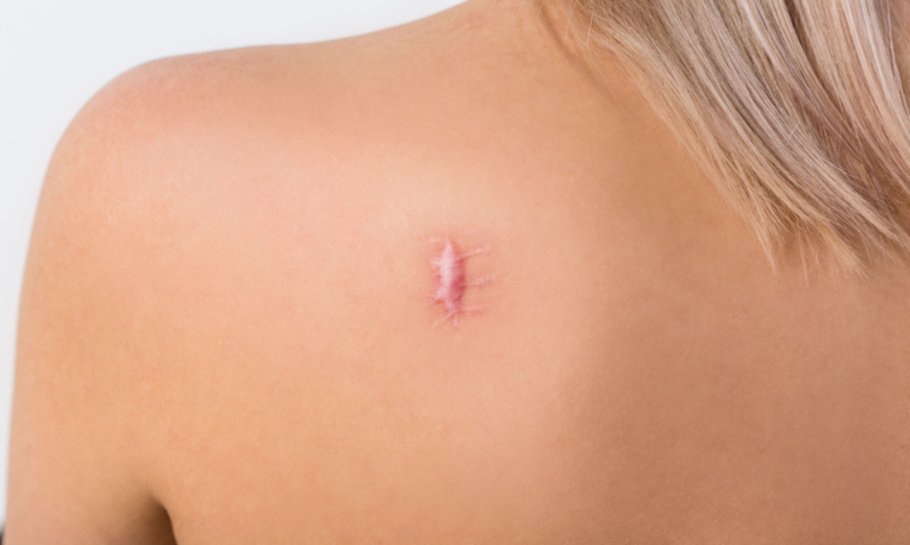
Scars are a natural part of the body's healing process, but some scars grow beyond the boundaries of the original wound and continue developing long after the skin has healed. These raised and often noticeable scars are known as keloids. Many individuals seek keloid treatment in Dubai because of the physical discomfort and cosmetic concerns associated with these persistent skin growths. With advancements in dermatological and aesthetic medicine, patients now have access to multiple solutions that can significantly improve the appearance and texture of keloid scars.
Understanding Keloid Scars
Keloids are a type of abnormal scar that forms when the body produces excessive collagen during wound healing. Unlike regular scars, keloids extend beyond the original injury site and may continue growing over time. They can develop after acne, surgical procedures, burns, piercings, insect bites, vaccinations, or even minor skin trauma.
These scars often appear as thick, raised, shiny growths that may vary in color from pink and red to dark brown, depending on the individual's skin tone. While keloids are not dangerous, they can cause itching, tenderness, pain, and emotional distress, especially when they develop on visible areas such as the face, neck, chest, shoulders, or ears.
Why Keloids Develop
The exact reason why some people develop keloids while others do not remains under investigation. However, several factors are believed to contribute to their formation.
Genetics play a significant role, as individuals with a family history of keloids are more likely to experience them. Certain skin types also appear more susceptible to excessive scar formation. Hormonal changes, prolonged inflammation, and wound tension may further increase the risk of keloid development.
Understanding the underlying causes is essential because it helps specialists determine the most suitable treatment strategy for each patient.
Common Symptoms of Keloid Scars
Keloids often begin as small, raised areas of scar tissue that gradually enlarge over weeks or months. Their appearance can vary significantly depending on the location and severity.
Common symptoms include persistent itching around the scar, tenderness when touched, occasional pain, shiny or smooth skin texture, and progressive growth beyond the wound boundaries. Some patients also report a sensation of tightness, particularly when keloids form near joints or areas of frequent movement.
Early evaluation can be beneficial because smaller keloids are often easier to manage than large, established scars.
Psychological and Emotional Effects
Although keloids are medically benign, their impact on self-confidence can be substantial. Visible scars may affect personal relationships, social interactions, and professional confidence. Individuals often become self-conscious about wearing certain clothing or participating in activities that expose affected areas.
The emotional burden associated with noticeable scarring has increased interest in advanced scar revision procedures. Modern treatments focus not only on reducing physical symptoms but also on enhancing overall quality of life and self-esteem.
Diagnostic Evaluation
Before recommending treatment, specialists perform a thorough assessment of the scar. The evaluation typically includes reviewing medical history, examining scar characteristics, and identifying any previous treatment attempts.
The size, location, color, thickness, and age of the keloid are carefully considered. In rare situations where the diagnosis is uncertain, additional testing may be recommended to rule out other skin conditions.
A personalized treatment plan ensures that the chosen approach addresses the specific needs of the patient.
Non-Surgical Treatment Options
Many patients begin with conservative therapies designed to reduce scar size and improve appearance without surgery.
Corticosteroid injections remain one of the most frequently used methods. These injections help decrease inflammation and slow excessive collagen production. Over time, they may flatten the scar and reduce discomfort.
Silicone-based products are also widely recommended. Silicone sheets and gels can improve scar hydration and create an environment that supports healthier tissue remodeling.
Pressure therapy may be beneficial for certain patients, particularly after ear piercings or surgeries. Specialized pressure garments help minimize excessive scar growth by applying consistent compression.
These non-invasive approaches often serve as first-line treatments and may be combined with other procedures for enhanced outcomes.
Advanced Laser Technologies
Laser therapy has become an important component of modern scar management. Different laser systems target specific aspects of keloid scars, including redness, thickness, and irregular texture.
Some lasers focus on reducing blood vessel activity within the scar, helping diminish redness and inflammation. Others stimulate skin remodeling processes that encourage smoother and more balanced tissue formation.
Multiple sessions are usually required to achieve optimal improvement. The exact number depends on the scar's characteristics and the patient's response to treatment.
Laser procedures are particularly appealing because they offer gradual enhancement with minimal disruption to daily activities.
Cryotherapy for Keloid Reduction
Cryotherapy involves controlled freezing of scar tissue using extremely low temperatures. This technique can effectively reduce the size and thickness of certain keloids.
The freezing process damages excess scar tissue while promoting gradual remodeling. Cryotherapy is often combined with corticosteroid injections to maximize effectiveness.
Smaller keloids generally respond best to this treatment. Depending on the scar's size and location, multiple sessions may be necessary to achieve desired results.
Surgical Scar Revision
In cases involving large or resistant scars, surgical removal may be considered. During the procedure, the keloid is carefully excised, and the wound is closed using techniques designed to minimize tension and reduce recurrence risk.
However, surgery alone is rarely sufficient because keloids have a tendency to return. For this reason, specialists often combine surgical excision with additional therapies such as steroid injections, laser treatments, or other preventive measures.
A comprehensive approach significantly improves long-term outcomes and reduces the likelihood of recurrence.
Preventing Keloid Recurrence
One of the greatest challenges in scar management is preventing new keloid formation after treatment. Specialists employ various strategies to lower this risk.
Patients may receive follow-up injections, silicone therapy, or laser sessions after scar removal. Careful wound care and adherence to post-treatment instructions are equally important.
Avoiding unnecessary skin trauma can also help reduce future risk. Individuals prone to keloids should consult qualified professionals before elective procedures such as piercings or cosmetic surgeries.
Long-term monitoring allows early intervention if signs of recurrence appear.
Benefits of Early Treatment
Seeking professional evaluation at the earliest stages of scar development can improve treatment outcomes considerably. Smaller and newer keloids often respond more effectively to conservative therapies.
Early intervention may reduce the number of treatment sessions required while helping prevent further scar enlargement. Patients also experience faster relief from symptoms such as itching and discomfort.
By addressing keloids promptly, individuals can maintain healthier skin and avoid the challenges associated with larger, more established scars.
Choosing the Right Treatment Plan
Every keloid scar is unique, which means there is no universal solution suitable for all patients. Factors such as scar location, duration, skin type, previous treatments, and personal goals influence treatment selection.
An individualized plan often combines multiple modalities to achieve the best possible outcome. This comprehensive strategy addresses both the cosmetic appearance and physical symptoms associated with keloids.
Patients should work closely with experienced specialists who understand the complexities of scar management and can recommend evidence-based treatment options tailored to their specific needs.
Conclusion
Advancements in aesthetic and dermatological medicine have transformed the way keloid scars are treated. From injections and silicone therapy to laser treatments, cryotherapy, and surgical revision, numerous options are available to help patients achieve smoother and more natural-looking skin. Individuals considering keloid treatment in Dubai can benefit from personalized care plans that target scar reduction while minimizing the risk of recurrence. For those seeking professional guidance and advanced scar management solutions, Euromed Clinic Dubai offers comprehensive treatment approaches designed to address a wide range of keloid concerns and support long-term skin improvement.

 Arabic
 French
 Spanish
 Portuguese
 Deutsch
 Turkish
 Dutch
Dutch
 Italiano
 Russian
 Romaian
 Portuguese (Brazil)
 Greek
Greek