


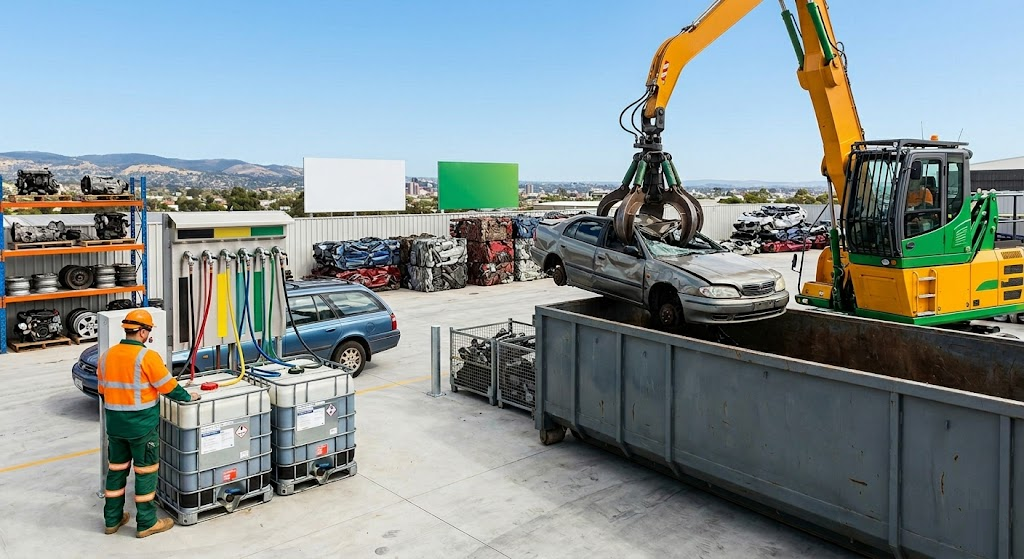
Car wrecking is an eco-friendly vehicle recycling process that prevents automotive waste from polluting local landfills by dismantling old, damaged, or end-of-life vehicles to salvage reusable parts and raw materials. When an unwanted vehicle sits rusting in a backyard or ends up in a landfill, it poses a severe threat to the local ecosystem. Opting for a professional auto recycling service ensures that toxic fluids are safely drained and tons of metal are repurposed back into the manufacturing cycle.
Choosing a sustainable disposal method transforms a hazardous piece of junk into a valuable resource for the circular economy. This comprehensive guide details the environmental benefits, operational functions, and practical use cases of choosing responsible wrecking services in South Australia.
The Functions of Eco-Friendly Car Wrecking
Auto recycling plants operate as highly technical deconstruction facilities designed to maximize resource recovery while minimizing environmental degradation. The entire process follows strict environmental protection guidelines to ensure no hazardous materials escape into the Adelaide soil or water supply.
Depollution and Fluid Drainage
The primary step in decommissioning a vehicle involves fluid drainage, where technicians extract harmful chemical liquids to prevent soil contamination. Vehicles contain an average of 15 to 22 liters of toxic fluids, including engine oil, brake fluid, coolant, power steering fluid, and windshield washer liquid. Wrecking facilities use specialized vacuum extraction systems to safely drain, categorize, and store these chemicals for specialized hazardous waste treatment or refining.
Component Salvaging and Reconditioning
Dismantling involves removing operational auto parts for testing, cleaning, and resale as affordable secondhand spares. Mechanical components such as alternators, starter motors, transmissions, and electronic control units undergo rigorous quality checks before entering the inventory. Reusing existing parts eliminates the energy-intensive manufacturing processes required to create brand-new replacement components from raw materials.
Metal Shredding and Recycling
The final structural shell of the vehicle undergoes heavy mechanical crushing and shredding to recover ferrous and non-ferrous metals. Magnets separate steel and iron from plastics, glass, and textiles, allowing the clean metal fragments to be melted down for industrial reuse.
Key Attributes and Features of Vehicle Recycling
Understanding the core attributes of the automotive recycling industry highlights why this service remains essential for sustainable urban management. The table below outlines the critical structural features of modern vehicle wrecking operations:
| Attribute / Feature | Description and Environmental Impact |
| Material Recovery Rate | Over 75% of a vehicle's total weight consists of recyclable metal that undergoes infinite reprocessing without losing structural integrity. |
| Hazardous Waste Control | Specialized holding tanks prevent heavy metals and toxic chemicals from leaching into urban stormwater drainage systems. |
| Carbon Footprint Reduction | Recycling steel consumes 74% less energy compared to producing virgin steel from iron ore mining operations. |
| Landfill Diversion | Millions of tons of automotive scrap, including chassis, rubber hoses, and glass panels, are diverted from South Australian waste depots annually. |
Environmental Benefits: The Pros and Cons of Car Wrecking
Vehicle recycling delivers substantial ecological advantages to the community, though the process relies heavily on strict adherence to modern industrial standards to remain completely safe.
Pros
-
Conservation of Natural Resources: Scrap metal recovery directly reduces the global demand for destructive open-cut mining activities that destroy natural habitats.
-
Energy Savings: Smelting recycled aluminum saves up to 95% of the energy required to create primary aluminum from bauxite ore.
-
Reduction in Greenhouse Gas Emissions: Lower energy consumption in manufacturing directly correlates to fewer carbon dioxide emissions entering the atmosphere.
-
Safe Management of Air Conditioning Gases: Certified wreckers extract harmful chlorofluorocarbons and hydrofluorocarbons, preventing the depletion of the ozone layer.
Cons
-
Risk of Localized Spills: Poorly managed yards can leak battery acid or oil if structural containment units fail.
-
Residual Shredder Waste: Approximately 25% of a car's weight, known as automotive shredder residue, consists of mixed plastics and rubber that remain challenging to recycle efficiently.
Use Cases and Situational Relevance
Automotive recycling serves specific practical scenarios where standard vehicle resale routes are no longer viable or legally permissible.
Totaled Vehicles from Road Accidents
Insurance companies categorize vehicles with severe structural damage as statutory write-offs, meaning they can never legally return to South Australian roads. Wrecking facilities accept these severely impacted vehicles, ensuring the undamaged internal components and structural steel do not go to waste.
Mechanical Failures and Ageing Fleets
When repair quotes exceed the actual market value of an aging vehicle, it becomes a financial burden. Car wrecking provides a practical exit strategy for owners of vehicles with blown head gaskets, failed transmissions, or severe body rust.
Reclaiming Valuable Urban Space
Old vehicles abandoned on suburban properties become breeding grounds for pests, including rodents, spiders, and snakes. Utilizing a removal service immediately cleans up the property layout while eliminating the visual blight of decaying machinery.
Target Audience for Eco-Friendly Disposal Services
Vehicle recycling solutions cater to a diverse demographic of property owners, automotive professionals, and environmentally conscious individuals across South Australia.
-
Private Vehicle Owners: Individuals holding unregistrable cars, old work Utes, or broken-down sedans that are impossible to sell on the private market.
-
Property Managers and Landlords: Professionals needing to clear out abandoned vehicles left behind by previous tenants on residential or commercial estates.
-
Commercial Fleet Managers: Delivery companies, trade businesses, and corporate entities looking to retire high-mileage vans or commercial trucks sustainably.
-
Eco-Conscious Consumers: Community members who prioritize the reduction of their personal carbon footprint through responsible waste management.
The Role of Local Operators in Adelaide's Green Economy
Adelaide features a robust network of authorized recycling professionals who streamline the vehicle decommissioning process for everyday residents. When residents look to clear space using reliable services like auto wreckers adelaide, they directly support the local green economy by ensuring that vehicles are processed under strict South Australian environmental regulations.
[Vehicle Owner] ➔ [Local Wrecking Facility] ➔ [Depollution & Dismantling] ➔
[Metal Shredding & Smelting] ➔ [New Manufacturing Goods]
For instance, trusted regional platforms such as cash 4 cars provide free towing services that safely transport compromised vehicles directly to licensed processing hubs, preventing the risks associated with driving unroadworthy cars. These specialized business models make sustainable disposal entirely free and easily accessible to the public, offering instant financial incentives that encourage community-wide participation in recycling programs.
A Step-by-Step Guide to the Eco-Friendly Disposal Process
To dispose of an unwanted vehicle in an environmentally responsible manner, follow these 4 simple steps:
-
Remove Personal Belongings: Check all storage compartments, including the glove box, center console, under-seat spaces, and the boot, to retrieve personal items like sunglasses, house keys, and paperwork.
-
Finalize the Legal Paperwork: Gather your proof of ownership, such as a driver's license or registration papers, and notify Service SA to cancel the vehicle's registration and claim any remaining rego refunds.
-
Schedule a Professional Collection: Contact a licensed removal service to arrange a convenient pickup date, ensuring they possess the proper towing equipment to transport the vehicle without dragging it across your property.
-
Oversee Safe Handover: Hand over the keys and title documents to the transport team, and collect your recycling receipt confirming that the vehicle is destined for a certified deconstruction facility.
Conclusion: Driving Towards a Greener Future
Choosing an authorized car wrecker is the most effective way to ensure an end-of-life vehicle undergoes sustainable processing rather than becoming an environmental hazard. By recovering valuable metals, safely managing toxic fluids, and supplying the community with affordable spare parts, the auto recycling industry plays a crucial role in protecting the unique South Australian landscape. The next time you encounter an old vehicle that has reached the end of its functional life, remember that choosing a green recycling path protects the local environment while putting cash back into your pocket.
visit: https://cash-4-cars.com.au/

 English
 Arabic
 French
 Spanish
 Portuguese
 Turkish
 Dutch
Dutch
 Italiano
 Russian
 Romaian
 Portuguese (Brazil)
 Greek
Greek