


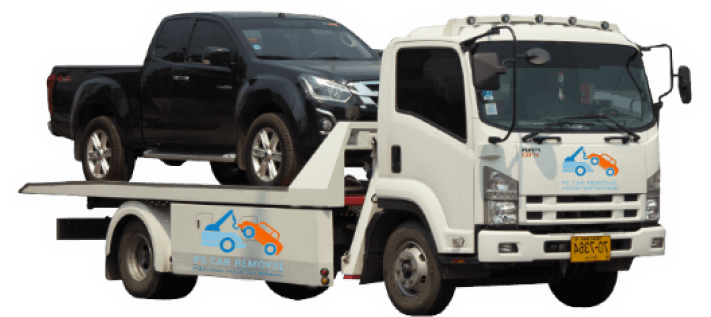
Old vehicles often end up sitting in backyards, farms, or open land across the Northern Territory. Many people think a damaged or unused car has no further use. In reality, car recycling yards in Darwin play a large part in reducing waste and managing environmental impact.
When a vehicle reaches the end of its life, it does not simply become junk. It enters a process where useful materials are recovered and harmful substances are handled in controlled ways. Even the decision to sell my car Darwin links directly to this cycle of reuse and recycling that supports environmental care in the region.
Why Car Recycling Matters in Darwin
Darwin has a hot climate and strong seasonal rains. These conditions can speed up vehicle rust and breakdown. When cars are left unused outdoors, fluids can leak into soil and affect surrounding land. This can include oil, brake fluid, coolant, and fuel residues.
Car recycling yards reduce this problem by collecting vehicles that are no longer in use and moving them into controlled processing areas. Instead of allowing old cars to break down in open spaces, they are taken apart in structured steps.
In Australia, a large share of a vehicle’s parts can be recovered. Industry data shows that up to 80 to 85 percent of a car by weight can be recycled or reused. This includes metals, glass, rubber, and some plastics. This recovery rate reduces landfill pressure and lowers demand for new raw materials.
Reducing Land and Soil Contamination
One of the main environmental issues linked to abandoned cars is soil contamination. Vehicles contain several fluids that can harm soil and water systems if they leak over time.
Common fluids found in cars include:
- Engine oil
- Transmission fluid
- Brake fluid
- Coolant (antifreeze)
- Fuel residues
When a vehicle is processed in a recycling yard, these fluids are drained in controlled conditions. They are collected and stored for further treatment or disposal according to environmental rules. This step prevents direct release into soil or groundwater.
In places like Darwin, where heavy rain can spread contaminants quickly, this controlled handling is important for protecting local ecosystems.
Metal Recovery and Energy Savings
Cars contain large amounts of steel and aluminium. These metals are valuable because they can be recycled multiple times without losing core strength.
Steel is the most common material in a vehicle. Research in the recycling industry shows that recycling steel uses significantly less energy compared to producing new steel from raw iron ore. Estimates show energy savings of around 60 to 74 percent when using recycled steel.
Aluminium parts, such as engine components and wheels, also require much less energy to recycle compared to raw production. Aluminium recycling can save up to 90 percent of energy compared to making new aluminium from bauxite ore.
Car recycling yards in Darwin separate these metals and send them to processing facilities where they are melted and reshaped for use in construction, manufacturing, and new vehicle production.
Parts Reuse and Resource Conservation
Not every part of an old car is destroyed or melted down. Many components are still functional even when the vehicle itself is no longer usable.
Items often recovered for reuse include:
- Engines and transmissions
- Alternators and starters
- Doors, mirrors, and panels
- Seats and interior parts
- Tyres with usable tread
Reusing parts reduces the need to manufacture new components. Manufacturing new car parts requires raw materials, energy, and transport. Reuse reduces pressure on these resources.
In Darwin, where transport costs for new goods can be higher due to location, reused parts also reduce the need for long-distance shipping of new components.
Battery and Hazardous Material Handling
Car batteries contain lead and acid. These substances are harmful if released into the environment. Recycling yards remove batteries early in the dismantling process.
The lead inside batteries is highly recyclable. It can be reused in new batteries after processing. The acid is neutralised and treated under controlled conditions.
Airbags, refrigerants from air conditioning systems, and certain electronic components also require special handling. These materials are separated so they do not end up in landfill or natural environments.
This controlled removal process helps reduce risks linked to chemical leakage and air pollution.
Reduction of Landfill Pressure
Without car recycling systems, end-of-life vehicles would take up large space in landfill areas. A single car occupies several cubic metres of space and contains a mix of materials that do not break down quickly.
Car recycling reduces landfill load by separating materials and directing them into different recovery streams. Metals go to smelters, glass to recycling facilities, and rubber can be processed into new products such as flooring or road materials.
This process supports better use of landfill space, which is important for growing urban areas.
Supporting a Circular Material Cycle
Car recycling yards help create a circular material system. In this system, materials do not remain waste after one use. Instead, they move through repeated cycles of use, recovery, and reuse.
A simple example of this cycle:
- A vehicle is no longer usable
- It is collected and dismantled
- Usable parts are removed
- Metals and materials are processed
- Recycled materials are used in new products
- New vehicles or goods are produced
This cycle reduces dependence on raw material extraction. Mining and raw material production often have high environmental impact, including land disturbance and energy use.
Impact on Energy Use and Emissions
Recycling vehicles also reduces greenhouse gas emissions. Producing new materials from raw sources requires high energy use, often involving fossil fuels.
When recycled materials are used instead, less energy is required. This leads to lower carbon emissions during production processes.
For example:
- Recycling steel reduces carbon emissions compared to producing steel from iron ore
- Recycling aluminium reduces emissions linked to mining and refining
Over time, repeated recycling of vehicle materials supports gradual reduction in industrial emissions linked to automotive production. Free quote here →
Role of Darwin’s Climate in Recycling Needs
Darwin’s tropical climate affects how vehicles age. High humidity and heat increase rust formation, especially in older cars. This leads to faster breakdown of body frames and mechanical parts.
Because of this, vehicles in Darwin often reach end-of-life conditions earlier than in cooler regions. This increases the importance of local recycling systems that can manage a steady flow of end-of-life vehicles.
Car recycling yards in the area help manage this natural cycle by processing vehicles that would otherwise deteriorate further and release harmful materials.
Community and Environmental Link
Car recycling is not only about material recovery. It also reduces illegal dumping of vehicles in remote or unused areas. Abandoned cars can become breeding spots for pests and can release fluids into soil over time.
By collecting and processing these vehicles, recycling yards help reduce environmental hazards in both urban and rural parts of the Northern Territory.
This system supports cleaner land conditions and reduces long-term environmental stress caused by unmanaged waste vehicles.
Conclusion
Car recycling yards in Darwin play an important environmental role that is often not seen at first glance. They manage waste vehicles, recover useful materials, and reduce pollution risks linked to abandoned cars.
Through metal recovery, safe fluid handling, and parts reuse, these yards help lower landfill use and reduce energy demand for new material production. The process also supports better management of vehicles affected by Darwin’s climate conditions.
Every old vehicle that enters this system becomes part of a material cycle that supports reuse and reduces environmental pressure across the region.

 English
 Arabic
 French
 Spanish
 Portuguese
 Deutsch
 Turkish
 Dutch
Dutch
 Russian
 Romaian
 Portuguese (Brazil)
 Greek
Greek