


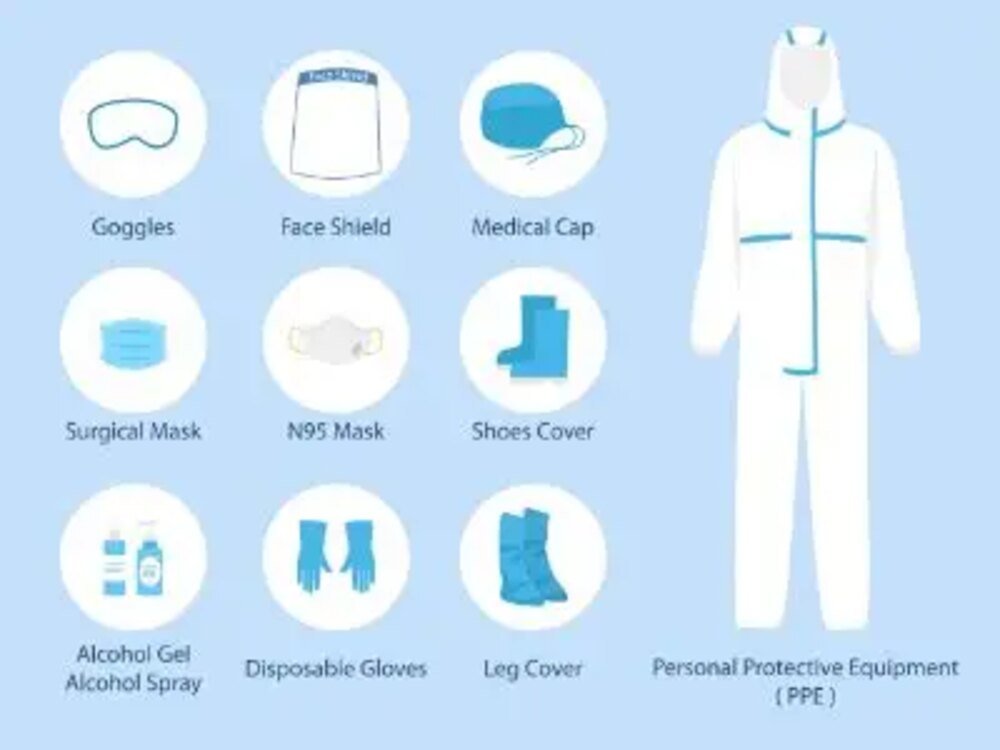
Why PPE Technology Matters More Than Ever
Personal protective equipment has always played a critical role in reducing exposure to harmful substances, infectious agents, and workplace hazards. But in recent years, PPE Technology has moved far beyond simple gloves, masks, and disposable gowns. What was once viewed as a basic barrier is now a fast-evolving field combining material science, ergonomic design, and infection control strategy.
From healthcare settings and laboratories to food processing plants and industrial sites, skin protection and infection prevention are no longer separate concerns. Modern PPE is designed to do both: shield the wearer from contamination while also minimizing the spread of bacteria, viruses, and hazardous particles.
Mitrasaruta - As workplaces face stricter safety standards and rising public awareness around hygiene, organizations are rethinking what quality PPE should deliver.
A Brief History of Personal Protective Equipment
Early forms of PPE were practical but limited. Workers relied on thick fabrics, rubber gloves, and simple face coverings that often prioritized durability over comfort.
In healthcare, protective garments became more common during the late 19th and early 20th centuries as understanding of germ theory improved. Surgical gloves, sterile gowns, and masks were introduced to reduce patient infection rates.
However, older PPE had clear limitations:
- Poor breathability
- Limited fluid resistance
- Inconsistent sizing and fit
- Low comfort during extended wear
- Minimal protection against microscopic pathogens
The turning point came when outbreaks such as SARS, Ebola, and COVID-19 exposed gaps in traditional protective equipment. Demand surged not only for higher-performance products but also for smarter, more adaptable solutions.
This accelerated the development of advanced PPE Technology.
The Shift From Basic Barriers to Advanced Protection
Modern PPE is no longer just about creating a physical shield. Manufacturers now focus on integrated protection systems that address multiple risks simultaneously.
Advanced Material Innovation
One of the biggest breakthroughs in PPE has been material engineering.
Today’s protective equipment often uses multilayer nonwoven fabrics, microporous membranes, and antimicrobial coatings. These materials help create a balance between protection and usability.
Key features of modern materials include:
- Fluid resistance to block blood, chemicals, and droplets
- Breathability to reduce heat stress
- Lightweight construction for mobility
- Tear resistance for durability
- Skin-friendly surfaces that reduce irritation
For users wearing PPE for long shifts, skin compatibility matters. Extended contact with low-quality materials can lead to pressure sores, dermatitis, moisture buildup, and compromised skin barriers.
New-generation products are increasingly designed with softer linings, moisture management layers, and hypoallergenic materials to improve skin protection.
Infection Prevention Through Smarter Design
Design is now as important as material performance.
Poorly designed PPE can create contamination risks during donning, adjustment, and removal. That is why modern manufacturers focus on ergonomic and contamination-aware design.
Examples include:
Better Fit and Seal
Ill-fitting masks or gloves create exposure gaps. Improved sizing systems and adjustable components now help users achieve better protection without sacrificing comfort.
Common upgrades include:
- Adjustable nose bridges
- Elastic sealing cuffs
- Anatomical glove shaping
- Flexible face seal technology
A better fit also reduces frequent repositioning, lowering hand-to-face contamination risks.
Touchpoint Reduction
High-contact areas such as mask fronts, gown sleeves, and glove surfaces are major contamination points.
Innovative products now include:
- Easy-remove tear-away gowns
- Touch-free dispensing systems
- Extended cuff gloves
- Protective closures positioned away from contamination zones
These features support safer removal and disposal.
The Rise of Antimicrobial and Smart PPE
A major trend in PPE Technology is the addition of active protective functions.
Traditional PPE blocks hazards. Advanced PPE may actively reduce them.
Antimicrobial Treatments
Some modern products are treated with antimicrobial technologies designed to inhibit bacterial growth on surfaces.
Benefits may include:
- Reduced odor buildup
- Lower microbial surface load
- Extended freshness during wear
- Improved hygiene between replacement intervals
This is particularly useful in healthcare, cleanroom, and food production environments.
Smart PPE Integration
Wearable technology is beginning to influence protective equipment as well.
Emerging innovations include:
- PPE with temperature monitoring
- Fit sensors for respirators
- Usage tracking systems
- Compliance monitoring via connected devices
Although still developing, smart PPE may transform workplace safety by helping organizations monitor both worker health and equipment performance in real time.
Choosing the Right PPE Products
Not all PPE is created equal. Organizations and consumers should evaluate products based on both safety certification and practical usability.
When selecting PPE, consider:
Protection Level
Choose products appropriate for the risk environment.
Questions to ask:
- Is fluid resistance required?
- Is respiratory filtration necessary?
- Are chemical hazards present?
- Is skin exposure a concern?
- Comfort and Wearability
Even highly protective equipment fails if users avoid wearing it correctly.
Look for:
- Breathable fabrics
- Flexible materials
- Low-pressure fit points
- Moisture management
Comfort directly supports compliance.
Product Reliability
Consistent manufacturing quality matters.
Trusted PPE suppliers should offer:
- Certified testing standards
- Transparent material specifications
- Quality assurance processes
- Reliable inventory availability
Organizations benefit from partnering with manufacturers that invest in continuous innovation rather than commodity-level products.
How Product Innovation Is Shaping the Future
The next generation of PPE will likely focus on sustainability, personalization, and even greater user-centered performance.
Expected developments include:
- Recyclable protective materials
- Reusable high-performance systems
- Customized fit solutions
- Biodegradable disposables
- AI-assisted PPE monitoring
As safety requirements evolve, so will expectations around product quality.
Companies that prioritize innovation are already leading this shift by developing solutions that combine protection, comfort, durability, and skin safety.
Their products are not just tools for compliance. They are part of broader infection prevention strategies.
Final Thoughts
The evolution of PPE reflects a larger shift in how industries think about safety. Protection is no longer limited to blocking exposure. It now includes preserving skin health, reducing contamination risks, improving comfort, and supporting long-term user compliance.
Modern PPE Technology represents the intersection of science, design, and practical workplace needs.
For organizations and individuals alike, investing in advanced PPE products is no longer optional. It is a proactive step toward better health outcomes, stronger infection control, and safer environments overall.
As new technologies emerge, the future of PPE will continue moving beyond basic protection toward smarter, more adaptive solutions that protect both skin and health in increasingly demanding environments.

 Arabic
 French
 Spanish
 Portuguese
 Deutsch
 Turkish
 Dutch
Dutch
 Italiano
 Russian
 Romaian
 Portuguese (Brazil)
 Greek
Greek