


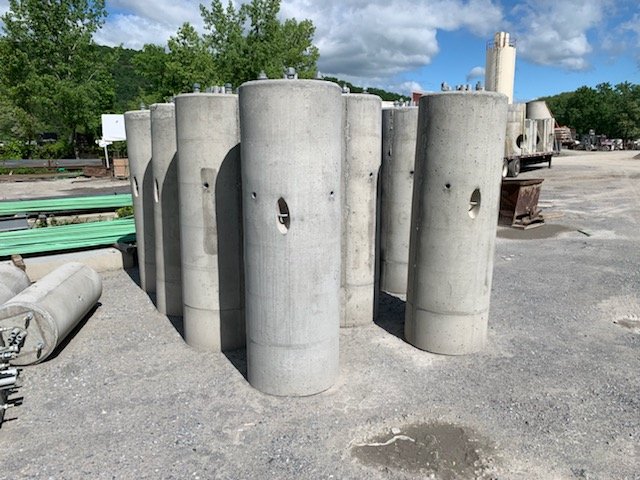
Today, construction is not only about building strong structures. It is also about protecting the environment. Engineers, contractors, and governments now try to reduce pollution, save natural resources, and cut down waste in every project. One simple but powerful solution that supports these goals is the precast light pole base system.
A precast light pole base is a concrete foundation made in a factory. It supports streetlights, highway lighting poles, parking lot lights, and other outdoor lighting systems. Instead of building the base on-site with fresh concrete, workers manufacture it in a controlled factory environment and then install it directly at the project location.
Reduces Construction Waste Significantly
One of the biggest environmental problems in traditional construction is waste. On-site concrete work often creates extra material waste, broken pieces, and leftover cement mixtures.
How Precast Systems Help
Precast factories carefully measure every material before production. Workers use exact amounts of:
- Cement
- Sand
- Gravel
- Water
Because of this controlled process, there is very little leftover material.
Less On-Site Waste
In traditional methods, workers often:
- Mix more concrete than needed
- Throw away unused materials
- Waste formwork materials
Precast systems reduce all these problems because most production happens inside the factory.
Environmental Impact
By reducing waste, precast light pole bases help:
- Lower landfill use
- Reduce pollution from construction debris
- Save natural resources
This makes construction cleaner and more environmentally friendly.
Lowers Carbon Emissions
Carbon emissions are one of the main causes of climate change. Construction activities contribute to these emissions through machinery use, transportation, and material handling.
Fewer On-Site Activities
Precast light pole bases reduce on-site work. Workers do not need to:
- Mix concrete on location
- Run heavy machinery for long hours
- Transport raw materials repeatedly
This reduces fuel consumption and lowers emissions.
Efficient Factory Production
Factories produce many units in one place. They use:
- Modern machines
- Energy-efficient systems
- Organized production schedules
This helps reduce unnecessary energy use.
Environmental Result
Overall, precast systems help:
- Reduce greenhouse gas emissions
- Improve air quality
- Support climate-friendly construction practices
Reduces Transportation Pollution
Transportation is another major source of pollution in construction projects. Trucks and heavy vehicles release carbon dioxide and other harmful gases.
Traditional Construction Problem
In cast-in-place construction:
- Workers transport cement, sand, gravel, and water separately
- Multiple trips increase fuel use
- Traffic and emissions increase on roads
Precast Advantage
With precast light pole bases:
- Factories produce complete units
- Workers transport finished products in fewer trips
- Less movement of raw materials is needed
Environmental Benefit
This leads to:
- Lower fuel consumption
- Reduced traffic pollution
- Less stress on transportation systems
Saves Natural Resources
Natural resources like water, cement, sand, and gravel are limited. Construction uses a large amount of these materials.
Controlled Factory Usage
Precast factories carefully control material usage. Workers:
- Measure ingredients accurately
- Avoid overuse of cement and water
- Reduce material loss during production
Better Efficiency
Because of this control, precast production:
- Uses fewer raw materials
- Reduces unnecessary waste
- Improves overall efficiency
Environmental Impact
This helps conserve natural resources for future generations.
Reduces Water Consumption
Water is essential for concrete production, but it is often wasted in traditional construction.
On-Site Water Waste
In conventional methods:
- Workers may use more water than needed
- Water is often spilled or wasted
- Curing processes are less controlled
Factory Control
Precast factories:
- Measure water precisely
- Reuse water in some processes
- Control curing conditions carefully
Environmental Benefit
This leads to:
- Lower water usage
- Better water management
- Support for water conservation efforts
Minimizes Site Disturbance
Construction sites often disturb the natural environment. Heavy work can damage soil, plants, and surrounding areas.
Traditional Construction Impact
On-site concrete work can cause:
- Soil damage
- Dust pollution
- Noise pollution
- Disruption of nearby vegetation
Precast System Advantage
Precast light pole bases reduce on-site construction activities. Workers only:
- Dig small foundations
- Place the precast base
- Backfill the area
Environmental Result
This helps:
- Protect soil structure
- Reduce dust and noise
- Preserve nearby natural areas
Reduces Energy Use
Energy consumption in construction is another environmental concern. Machines, vehicles, and equipment all use large amounts of energy.
Efficient Factory Production
Precast factories improve energy efficiency by:
- Using modern, energy-saving machines
- Running controlled production schedules
- Reducing idle machine time
Less On-Site Energy Use
Because less work happens on-site:
- Fewer machines are used
- Less fuel is consumed
- Energy waste is reduced
Environmental Impact
This results in:
- Lower overall energy consumption
- Reduced environmental footprint
- More sustainable construction practices
Improves Air Quality
Construction activities often create dust and pollution that affect air quality.
On-Site Pollution Problems
Traditional construction generates:
- Dust from mixing and handling materials
- Exhaust from heavy machinery
- Pollution from transport vehicles
Precast Solution
Precast light pole bases reduce these problems because:
- Most production happens inside factories
- On-site activities are minimal
- Less machinery is used on-site
Environmental Benefit
This leads to:
- Cleaner air around construction areas
- Healthier working conditions
- Less impact on nearby communities
Reduces Noise Pollution
Noise pollution is a serious issue in urban construction areas.
Traditional Construction Noise
On-site concrete work produces:
- Loud mixing machines
- Heavy truck movement
- Continuous equipment operation
Precast Advantage
Precast manufacturing moves most of this work to factories, which are usually located in industrial zones.
Environmental Impact
This results in:
- Lower noise levels at construction sites
- Less disturbance for residents
- Better urban living conditions
Supports Sustainable Development Goals
Many countries now follow sustainability goals to protect the environment and support future development.
How Precast Helps
Precast light pole base systems support these goals by:
- Reducing waste
- Saving energy
- Lowering emissions
- Protecting natural resources
Long-Term Impact
They help cities build infrastructure in a responsible and eco-friendly way.
Longer Product Life Reduces Environmental Impact
Durability also plays an important role in environmental protection.
Strong and Durable Products
Precast light pole bases are made under controlled conditions, which makes them:
- Stronger
- More stable
- More resistant to damage
Less Replacement Needed
Because they last longer:
- Fewer replacements are required
- Less material is consumed over time
- Less construction waste is generated
Environmental Result
Long-lasting products reduce overall environmental impact.
Reduces Construction Time and Environmental Exposure
Long construction projects create more environmental disturbance.
Faster Installation
Precast light pole bases:
- Arrive ready to install
- Require less on-site work
- Speed up project completion
Environmental Benefit
Shorter construction time means:
- Less fuel usage
- Reduced pollution
- Lower environmental disruption
Conclusion
Precast light pole base systems offer many important environmental benefits. They reduce waste, lower carbon emissions, save water, and minimize the use of natural resources. They also reduce noise, dust, and site disturbance, which helps protect both people and the environment.
By shifting most of the work to controlled factory environments, precast systems make construction cleaner, safer, and more sustainable. They also improve energy efficiency and support global efforts to build eco-friendly cities.

 Arabic
 French
 Spanish
 Portuguese
 Deutsch
 Turkish
 Dutch
Dutch
 Italiano
 Russian
 Romaian
 Portuguese (Brazil)
 Greek
Greek