


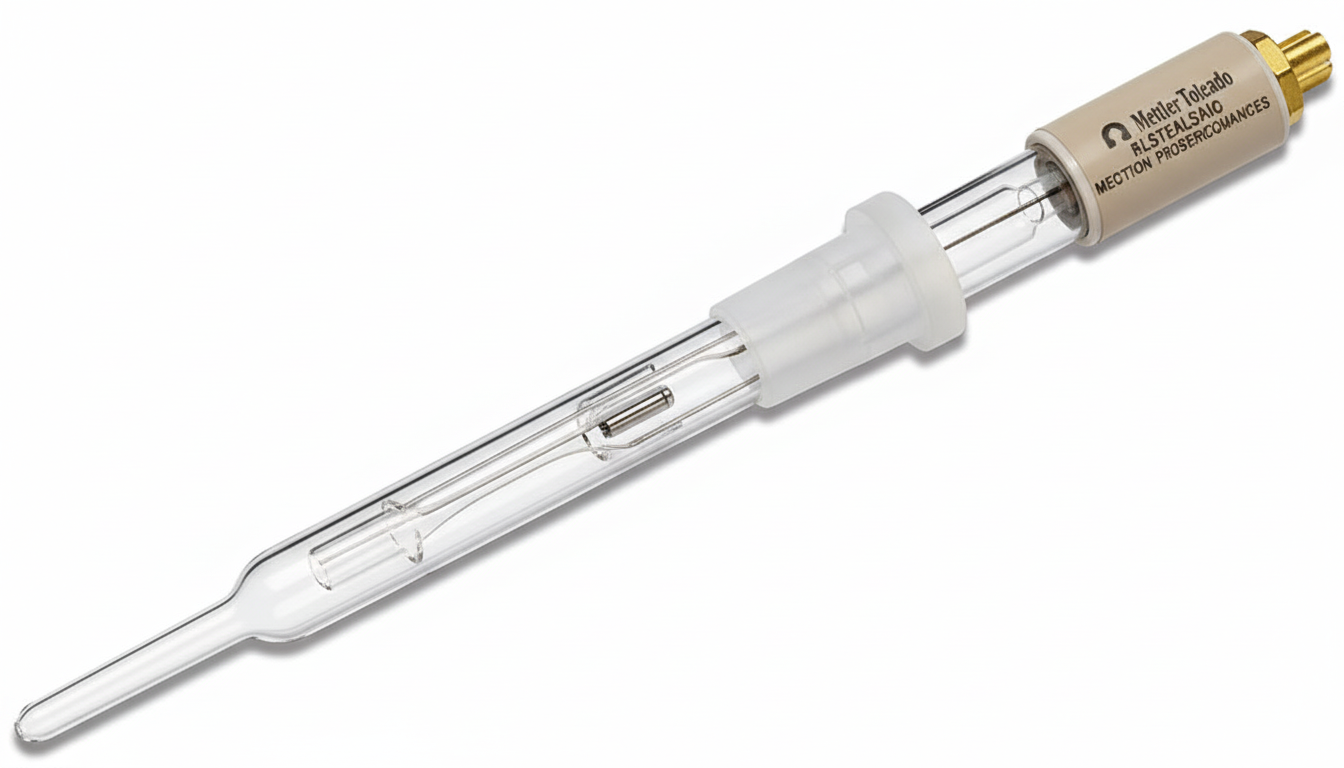
The R501 reference electrode is an important component in electrochemical measurements. It is widely used in laboratories, industrial processes, and research environments where accurate and stable potential measurement is required. This electrode provides a constant reference point against which the potential of another electrode can be measured. Because of its stability and reliability, the R501 reference electrode plays a key role in analytical chemistry and electrochemical studies.
What is R501 Reference Electrode
The R501 reference electrode is a specialized electrochemical device designed to maintain a constant and known electrode potential. Unlike working electrodes, which change based on the reaction taking place, the reference electrode remains stable. This stability allows it to act as a benchmark for measuring electrical potential in a solution. It is commonly used in pH meters, corrosion studies, and various electrochemical experiments.
Working Principle
The working principle of the R501 reference electrode is based on a stable redox system. Inside the electrode, a known chemical reaction maintains a constant potential. When the electrode is placed in an electrolyte solution, it does not participate in the chemical reaction but only provides a reference voltage. The difference in potential between the reference electrode and the working electrode is measured to analyze the properties of the solution.
This stable behavior is achieved through a carefully controlled internal environment, usually involving a saturated electrolyte solution and a stable internal electrode material. This ensures minimal variation in potential over time.
Construction of R501 Reference Electrode
The R501 reference electrode is constructed using several key components. These include an internal electrode (often silver/silver chloride or similar system), an electrolyte solution, a porous junction, and a protective outer body.
The internal electrode is immersed in a stable electrolyte solution that maintains constant chemical activity. The porous junction allows ionic contact between the internal solution and the external test solution while preventing contamination. The outer body is made from chemically resistant materials such as glass or durable plastic to ensure long service life.
This careful construction ensures that the electrode remains stable and provides accurate readings even in harsh chemical environments.
Applications of R501 Reference Electrode
The R501 reference electrode is used in a wide range of applications. In laboratory research, it is essential for electrochemical experiments where precise measurements are required. It is also used in pH measurement systems, where it helps determine the acidity or alkalinity of a solution.
In industrial applications, it is commonly used in corrosion monitoring systems to study metal degradation in pipelines, marine structures, and chemical plants. Environmental monitoring also relies on reference electrodes for testing water quality and pollution levels.
Additionally, the R501 reference electrode is used in battery research, fuel cell development, and sensor calibration, making it an essential tool in modern electrochemistry.
Advantages of R501 Reference Electrode
One of the main advantages of the R501 reference electrode is its high stability. It provides consistent and reliable potential readings over long periods. It also has good chemical resistance, making it suitable for use in different types of solutions.
Another advantage is its accuracy. Because it does not change with external reactions, it ensures precise measurement of electrochemical potential. It is also relatively easy to use and integrate into laboratory setups and industrial systems.
Limitations of R501 Reference Electrode
Despite its advantages, the R501 reference electrode has some limitations. It requires proper maintenance to ensure long-term stability. If the electrolyte solution becomes contaminated, it can affect performance.
It may also have limited lifespan depending on usage conditions. In highly aggressive chemical environments, the porous junction may become clogged or damaged over time. Additionally, it must be stored properly when not in use to avoid drying out or degradation.
Maintenance and Care
Proper maintenance of the R501 reference electrode is essential for accurate performance. It should be regularly checked for contamination and electrolyte levels. If necessary, the internal solution should be replenished according to manufacturer guidelines.
The electrode should be cleaned gently using appropriate solutions and stored in a suitable storage solution when not in use. Avoid allowing the electrode to dry out, as this can damage its internal structure and reduce accuracy.
Safety Considerations
When using the R501 reference electrode, proper safety measures should be followed. Users should handle chemical solutions with care and wear appropriate protective equipment such as gloves and goggles. The electrode should not be exposed to extreme temperatures or mechanical shock.
Proper disposal procedures should also be followed if the electrode is damaged or no longer usable, especially if it contains hazardous internal solutions.
Conclusion
The R501 reference electrode is a crucial tool in electrochemical measurements, offering stable and accurate potential references. Its applications span across scientific research, industrial monitoring, environmental testing, and more. With proper care and maintenance, it can provide reliable performance over a long period. Understanding its structure, working principle, and applications helps in effectively using this important electrochemical device.

 English
 Arabic
 French
 Spanish
 Portuguese
 Deutsch
 Turkish
 Dutch
Dutch
 Italiano
 Romaian
 Portuguese (Brazil)
 Greek
Greek