


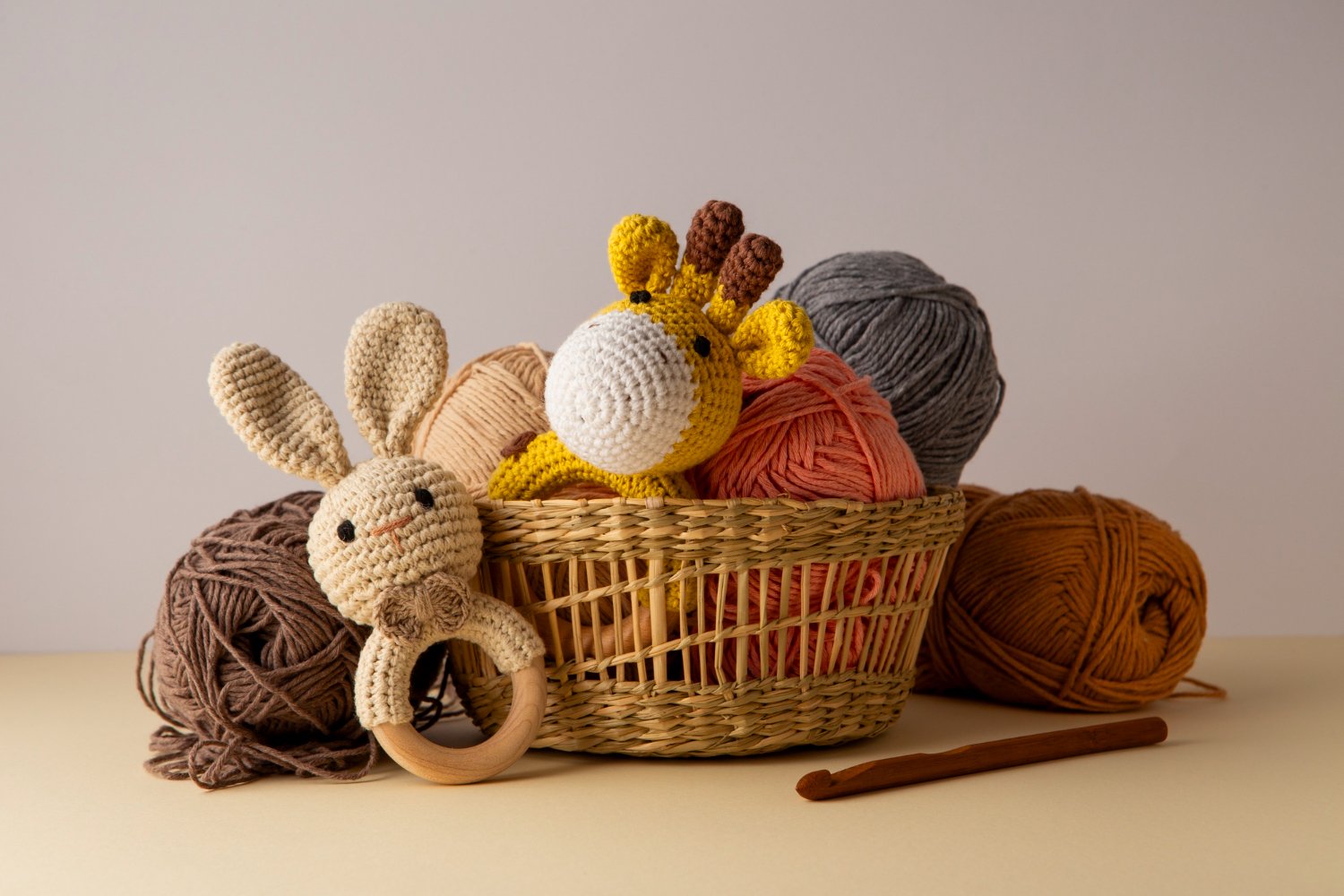
Hand dyed yarn is yarn that has been colored manually in small batches using different dyeing techniques. Unlike uniformly manufactured yarn, hand dyed yarn often displays variations in color, tone, and saturation. These characteristics result from the way dye interacts with individual strands and fibers during the dyeing process. For knitters, crocheters, and other fiber artists in the United States, understanding hand dyed yarn can help explain how it behaves and why skeins from the same dye lot may have subtle differences.
What Is Hand Dyed Yarn?
Hand dyed yarn refers to yarn that has undergone a manual dyeing process rather than being colored entirely through automated industrial production. The yarn may be made from natural fibers, synthetic fibers, or blends, depending on the intended use.
During the dyeing process, color is applied to the yarn using techniques such as immersion, painting, speckling, or controlled layering. The dye can penetrate the fibers at different rates, creating variations in color intensity. These variations are a defining characteristic of many hand dyed yarns.
The final appearance depends on several factors, including the fiber type, dye formulation, water temperature, dye concentration, and application method.
Fibers Used in Hand Dyed Yarn
The fiber composition of hand dyed yarn affects both its appearance and performance. Wool is frequently used because protein-based fibers can absorb many types of dyes effectively. Other animal fibers, including alpaca and silk, may also be dyed by hand.
Plant-based fibers such as cotton, linen, and bamboo require different dyeing methods because their chemical structures differ from those of animal fibers. Synthetic fibers can also be hand dyed, although they may require specialized dyes and higher temperatures.
Blended yarns combine two or more fibers and may produce distinctive results because each fiber can absorb dye differently. This can create subtle variations within the same strand.
Common Hand Dyeing Techniques
Several techniques can be used to produce hand dyed yarn. In immersion dyeing, yarn is placed into a dye bath, allowing the color to spread across much of the skein. The final result can range from relatively uniform to highly varied depending on how the yarn is positioned and how the dye is applied.
Hand painting involves applying different colors directly to sections of the yarn. This technique can create defined color transitions or irregular combinations.
Speckling involves placing small amounts of concentrated dye across the yarn. The resulting appearance may include scattered dots or small areas of contrasting color.
Some dyeing processes combine multiple techniques. The choice of method influences how colors appear when the yarn is knitted or crocheted.
Color Variation in Hand Dyed Yarn
One of the most noticeable features of hand dyed yarn is variation between skeins. Even when the same dye recipe is used, individual skeins may not be identical.
Differences can occur because of variations in dye absorption, water conditions, temperature, yarn placement, and the amount of dye used. As a result, two skeins with the same general color description may display slightly different tones.
Color can also change depending on the lighting conditions. Natural daylight, indoor lighting, and artificial light can make the same yarn appear somewhat different.
How Hand Dyed Yarn Behaves in Projects
The appearance of hand dyed yarn can change considerably when it is knitted or crocheted. Colors that look distinct in a skein may blend together when worked into fabric.
Highly variegated yarn can produce different effects depending on stitch pattern, project size, and tension. Certain stitch structures may emphasize color changes, while others may make them less noticeable.
Pooling can sometimes occur when repeated color sections align during knitting. Alternating skeins during a project can help distribute differences between skeins and create a more consistent overall appearance.
Choosing Hand Dyed Yarn for a Project
When selecting hand dyed yarn, the project requirements should be considered carefully. Fiber content, yarn weight, yardage, gauge, and care instructions all influence suitability.
A project requiring a specific finished size may depend heavily on achieving the correct gauge. The knitter should create a gauge swatch when the pattern requires precise measurements.
The quantity of yarn should also be considered. If several skeins are required, choosing skeins from the same dye batch can reduce noticeable differences. When multiple skeins have variations, alternating them throughout the project may help distribute those differences.
Caring for Hand Dyed Yarn
Care instructions depend primarily on the fiber and dye used. Some yarns can be washed by machine, while others require hand washing or other gentle methods.
A knitter or crocheter should follow the care instructions associated with the particular yarn. Excessive heat, agitation, or unsuitable detergents can affect both the fiber and the color.
Some hand dyed yarn may release a small amount of excess dye during its first wash. Washing it separately or according to the specified care instructions can help prevent unwanted color transfer.
Uses for Hand Dyed Yarn
Hand dyed yarn can be used for many fiber projects, including sweaters, scarves, shawls, hats, socks, blankets, and smaller accessories. The appropriate yarn depends on the project's construction, desired texture, and required durability.
It can also be used for decorative textile work where variations in color are part of the intended visual effect. Different dyeing techniques allow the yarn to produce subtle tonal changes, contrasting sections, or scattered color patterns.
Conclusion
Hand dyed yarn is characterized by the manual application of color and the natural variations that can result from small-batch dyeing. Fiber type, dyeing technique, temperature, dye concentration, and yarn preparation can all influence its final appearance. Understanding these characteristics helps knitters and other fiber artists anticipate how the yarn may behave in a finished project. From color variation and pooling to washing and gauge considerations, hand dyed yarn requires attention to both its visual qualities and practical properties.

 English
 Arabic
 Spanish
 Portuguese
 Deutsch
 Turkish
 Dutch
Dutch
 Italiano
 Russian
 Romaian
 Portuguese (Brazil)
 Greek
Greek