


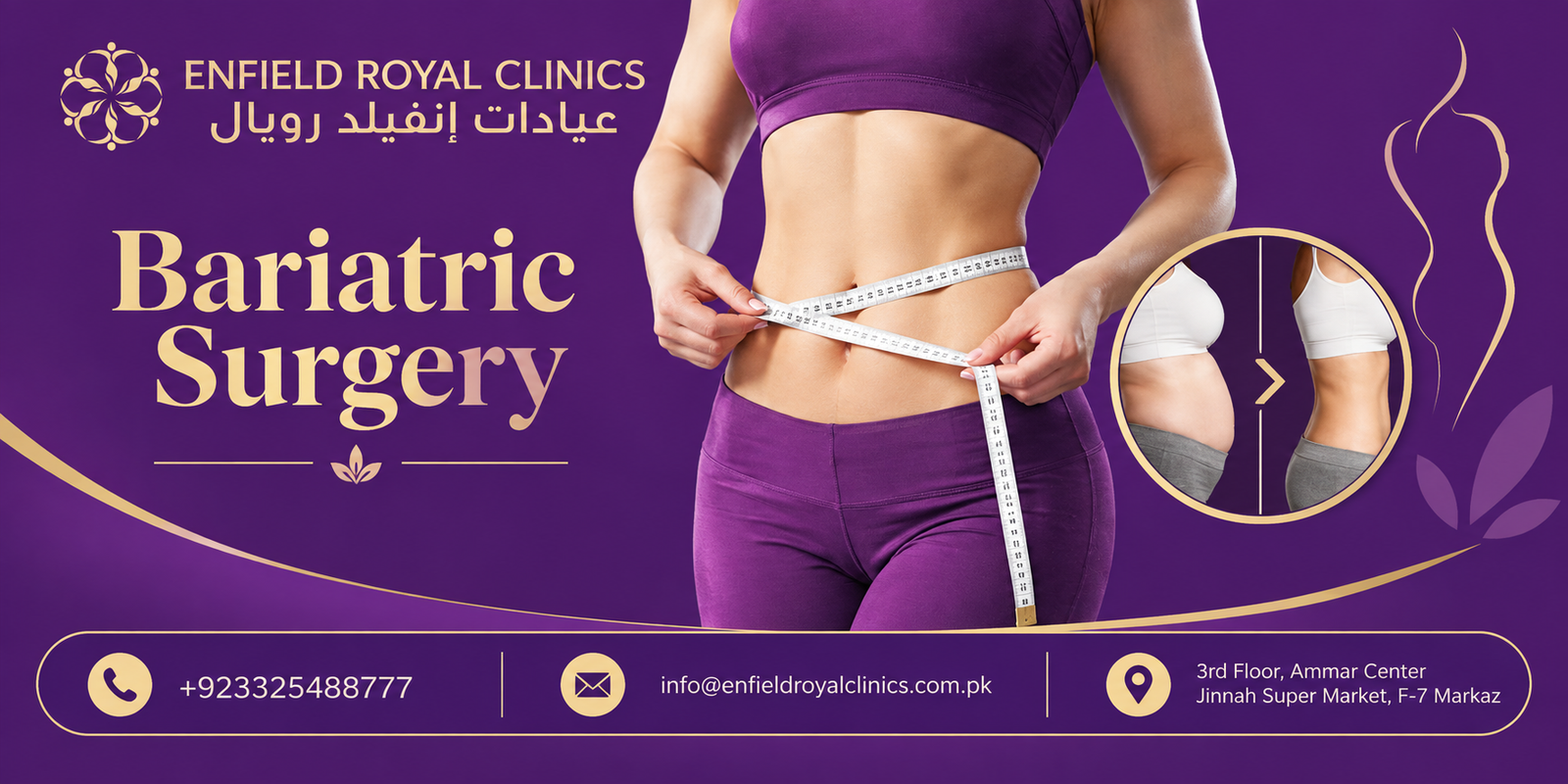
Bariatric surgery is primarily performed to support significant weight loss and improve health, but changes in body shape can also become noticeable as excess weight decreases. When a person loses a substantial amount of weight, areas such as the abdomen, waist, hips, thighs, arms, and face may gradually appear more defined.
Bariatric Surgery in Islamabad can help suitable patients achieve meaningful weight reduction by changing stomach capacity, appetite, digestion, or metabolic processes, depending on the procedure. As body weight decreases, the overall proportions of the body may change. However, the final appearance varies from person to person and depends on factors such as starting weight, age, skin elasticity, muscle mass, and the amount of weight lost.
How Does Bariatric Surgery Change Overall Body Shape?
Bariatric surgery does not directly reshape the body like a cosmetic contouring procedure. Instead, it supports substantial weight loss, which can naturally change body proportions.
As excess body fat decreases, areas that previously appeared larger may become smaller. The waist may become more noticeable, clothing can fit differently, and overall body proportions may look more balanced.
The rate of change is usually gradual. Body shape may continue changing for months as weight decreases and the body adjusts. Some areas may lose fat faster than others, so temporary differences in proportions are normal during the weight-loss journey.
Can Bariatric Surgery Reduce Abdominal Size?
The abdomen is often one of the most noticeable areas affected by significant weight loss. As overall body fat decreases, abdominal fat may also reduce, leading to a smaller waist and a flatter-looking stomach.
However, bariatric surgery does not specifically target abdominal fat. The body determines where fat is lost based on individual genetics, hormones, age, and other factors.
After substantial weight loss, some people may have loose abdominal skin. This can happen when the skin has been stretched for a long period and does not fully contract after the underlying fat decreases.
For this reason, improved body shape after Bariatric Surgery in Islamabad may involve both reduced body fat and changes in skin appearance.
What Happens to the Arms, Legs, and Hips After Weight Loss?
Significant weight loss can affect many areas of the body rather than just the abdomen. The arms, thighs, hips, back, and other areas may become smaller as excess fat decreases.
Clothing may fit more comfortably, and previously difficult movements may become easier. Increased mobility can also encourage greater physical activity, which can help improve muscle tone and overall body composition.
The amount of change differs between individuals. Some people experience noticeable fat reduction in their arms and legs, while others retain more fullness in particular areas.
Healthy nutrition and appropriate exercise during and after weight loss can help support muscle preservation while body fat decreases.
Can Bariatric Surgery Improve Body Proportions?
A major change after substantial weight loss can be the overall balance of body proportions. A larger abdomen, hips, or upper body may become smaller, creating a different silhouette.
As weight decreases, the waistline may become more visible and clothing sizes may change. These improvements can make everyday movement more comfortable and may help a person feel more confident about their appearance.
However, bariatric surgery should primarily be considered a medical treatment for obesity rather than a cosmetic body-shaping procedure. The changes in appearance are generally a consequence of weight loss rather than the direct purpose of the surgery.
Does Skin Elasticity Affect the Final Body Shape?
Skin elasticity is an important factor in determining how the body looks after major weight loss. Younger skin may have greater elasticity, while age, genetics, smoking, sun exposure, and the amount of weight gained or lost can affect how well skin contracts.
When a person loses a large amount of weight, stretched skin may remain around the abdomen, arms, thighs, breasts, or other areas. This can create folds or a looser appearance even when body fat has decreased significantly.
Good nutrition, hydration, gradual weight loss, and physical activity can support overall skin and body health, but they cannot guarantee complete skin tightening.
Some patients who have significant excess skin after reaching a stable weight may later discuss body-contouring options with a qualified professional.
How Do Exercise and Nutrition Support Body Shape After Surgery?
Bariatric surgery can provide an important foundation for weight loss, but nutrition and exercise help determine how the body adapts during the process.
A balanced diet provides protein and essential nutrients needed to support muscle and general health. Following recommended nutritional guidance is particularly important after surgery because food intake is reduced.
Physical activity can help preserve muscle mass and improve strength as body fat decreases. Resistance exercises may be particularly useful when introduced at an appropriate stage of recovery and according to individual guidance.
Maintaining muscle while reducing excess fat can contribute to a firmer and more functional body appearance. Consistency is generally more important than intense or rapid changes.
What Body Shape Changes Can Be Expected Long Term?
Body shape can continue changing even after the initial period of rapid weight loss. Once weight approaches a stable level, the body gradually adjusts to its new proportions.
Some people may achieve a significant improvement in overall body shape, while others may continue to have loose skin or areas of stubborn fat. These differences are normal and do not necessarily indicate that bariatric surgery has been unsuccessful.
The most important outcomes remain improved health, sustainable weight management, mobility, and quality of life. Changes in appearance can be an additional benefit of achieving healthier body weight.
For suitable patients, Bariatric Surgery in Islamabad can therefore support both health-related improvements and noticeable changes in body proportions through significant weight loss.
Frequently Asked Questions
1. Does bariatric surgery directly reshape the body?
No. Bariatric surgery primarily supports weight loss. Changes in body shape occur as excess body fat decreases rather than because the surgery directly contours specific areas.
2. Can bariatric surgery reduce belly fat?
It can contribute to a reduction in abdominal fat as overall body weight decreases. However, the surgery does not specifically target one area, and fat-loss patterns vary between individuals.
3. Can loose skin remain after bariatric surgery?
Yes. Significant weight loss can leave loose skin, particularly when the skin has been stretched for a long time. The amount varies according to factors such as age, genetics, and the amount of weight lost.
4. Can exercise improve body shape after bariatric surgery?
Yes. Appropriate physical activity can help preserve muscle, improve strength, and support healthier body composition during weight loss and long-term weight management.
For more information visit Enfield royal clinic in islamabad

 English
 French
 Spanish
 Portuguese
 Deutsch
 Turkish
 Dutch
Dutch
 Italiano
 Russian
 Romaian
 Portuguese (Brazil)
 Greek
Greek