


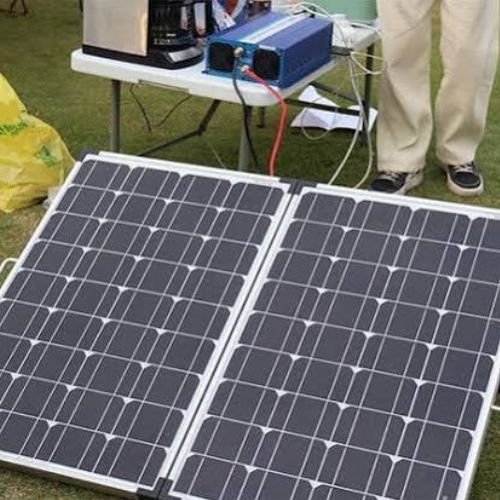
Installing solar panels is a long-term investment, but every homeowner eventually has to think about roof maintenance. A roof can last for many years, yet weather exposure, age, and normal wear can eventually make repairs or replacement necessary. For homeowners with rooftop solar, roof replacement requires additional planning because the solar equipment occupies the same space where roofing professionals need to work.
The good news is that needing a new roof does not necessarily mean giving up an existing solar system. With proper coordination, homeowners can have their solar panels professionally removed, complete the roofing project, and have the system reinstalled afterward.
Understanding the process before construction begins can help Dallas homeowners protect their equipment and avoid unnecessary delays.
Why Roof Condition Should Be Considered Before Solar Installation
The best time to think about future roof replacement is before solar panels are installed.
A solar system can remain on a property for many years, so homeowners should evaluate whether the existing roof is suitable for a long-term installation.
Important considerations include:
-
The age of the roof
-
Roofing material
-
Existing leaks
-
Storm damage
-
Previous repairs
-
Structural condition
-
Expected remaining lifespan
If a roof is already near the end of its useful life, completing the roof replacement first may be more convenient than installing solar and removing it shortly afterward.
Why Solar Panels May Need to Be Removed
Roofing contractors often need broad access to the roof during replacement. Solar panels, mounting hardware, and electrical components can prevent them from reaching certain areas.
Depending on the roof design and the scope of work, some or all of the solar equipment may need to be temporarily removed.
Professional solar panel removal for roof replacement provides a way to make the roof accessible while preserving the existing solar equipment.
The exact scope of removal depends on the system and roofing project.
Start Planning Before the Roofing Project
Homeowners should contact their solar contractor as soon as they begin discussing roof replacement.
Waiting until the roofing crew is ready to begin can create scheduling problems.
Early planning allows the solar contractor to:
-
Review the existing system.
-
Document the installation.
-
Determine what needs to be removed.
-
Schedule the removal.
-
Coordinate with the roofing company.
-
Plan equipment storage.
-
Schedule reinstallation.
This preparation can make the overall project much more organized.
Document the Existing Solar System
Before solar equipment is removed, documenting the system can be extremely useful.
Professionals may record panel locations, equipment configuration, wiring arrangements, inverter information, and other installation details.
This documentation provides a reference when the system is ready to be restored.
Homeowners should also keep their own copies of installation documents, equipment information, maintenance records, and previous repair records.
Professional Solar Panel Removal
Solar panel removal is more involved than simply taking panels off a roof.
A residential solar system can include panels, mounting equipment, wiring, inverters, and other electrical components.
Professional technicians understand how the different components fit together and can follow an organized removal process.
Homeowners should avoid attempting complex solar removal themselves, particularly when electrical connections or rooftop work are involved.
Protecting Panels During Roof Replacement
Once the panels are removed, they need to be protected during the roofing project.
Roof replacement can involve:
-
Roofing materials
-
Ladders
-
Tools
-
Dust
-
Debris
-
Heavy equipment
-
Frequent movement across the property
Solar panels and other components should be stored in an appropriate location where they are protected from unnecessary impact or damage.
Professional solar contractors can help manage the equipment throughout the construction period.
Coordinating With the Roofing Company
Communication between the solar contractor and roofing contractor is essential.
The roofing team needs to know when the solar equipment will be removed, while the solar company needs to know when the roof will be ready for reinstallation.
A coordinated schedule can help avoid unnecessary downtime.
Ideally, the solar removal should occur before the roofing work begins, and reinstallation should be scheduled after the roof has been completed and is ready for the solar system.
What Is Solar Detach and Reset?
Some homeowners may hear the term "detach and reset" when researching roof-related solar services.
Solar panel detach and reset for reinstall Dallas generally refers to temporarily removing an existing solar system and restoring it after another property project has been completed.
This service can be useful for:
-
Roof replacement
-
Roof repairs
-
Remodeling
-
Home additions
-
Exterior construction
-
Other projects requiring roof access
The purpose is to preserve the existing solar system while allowing the property work to proceed.
When Only Part of the Solar System Needs to Be Removed
Not every roof project requires complete solar removal.
Depending on the location and scope of the roofing work, professionals may determine that only certain panels or components need to be detached.
A qualified solar contractor can evaluate the system and coordinate with the roofing company to determine the appropriate approach.
The final decision should be based on the actual roof and solar configuration rather than assumptions.
Why Proper Handling Matters
Solar panels and related equipment represent a significant investment.
Improper handling during removal, storage, or reinstallation can potentially lead to damage.
Professional technicians can use appropriate procedures to disconnect, remove, transport, and protect the equipment.
Careful handling is especially important when the equipment will be reused after the roofing project.
Choosing the Right Solar Contractor
Homeowners should look for an experienced licensed solar contractor when planning roof-related solar work.
A contractor should have experience with residential solar systems and understand the requirements involved in temporary removal and reinstallation.
Homeowners may want to ask about:
-
Solar removal experience
-
Roof replacement projects
-
Detach and reset services
-
Equipment handling
-
Reinstallation procedures
-
System testing
-
Maintenance services
Experience with roof-related projects can make coordination easier.
What Happens During Reinstallation?
Once the roof replacement has been completed, the solar system can be restored.
Professional solar panel removal and reinstall Dallas TX services can help reinstall the panels and related equipment.
Before reinstallation begins, the solar contractor can review the completed roof and make sure the installation area is ready.
The system can then be restored using the documentation created during removal.
Testing the System After Reinstallation
The project should not be considered complete until the solar system has been checked.
Professionals can inspect the equipment and connections and confirm that the system is operating properly.
Homeowners can also monitor system production after reinstallation.
If production does not return to expected patterns, professional troubleshooting can help identify the reason.
What If the New Roof Has a Different Layout?
A roof replacement does not always result in exactly the same conditions as the previous roof.
Roof design, materials, vents, or other features may change during construction.
These changes can potentially affect where solar panels can be reinstalled.
The solar contractor should review the completed roof before reinstalling the system rather than assuming that the original placement will always be appropriate.
Consider Solar Maintenance at the Same Time
A roof replacement can also be an opportunity to address solar maintenance.
While the equipment is already being removed, homeowners may want to discuss the condition of the panels, mounting hardware, and other components with their solar contractor.
Homeowners searching for solar panel repair and maintenance near me may benefit from having their equipment professionally evaluated during a larger roof project.
Addressing known concerns before reinstallation may be more convenient than discovering them later.
What Homeowners Should Keep After the Project
Once the roof and solar projects are complete, homeowners should keep updated records.
These can include:
-
Roof replacement documentation
-
Solar removal records
-
Solar reinstallation information
-
Equipment specifications
-
Maintenance records
-
Repair documentation
-
Updated system layout
Keeping everything together can make future maintenance easier.
Planning for Future Roof Work
Homeowners who have already experienced one roof replacement with solar panels can use the experience to plan for the future.
Maintaining the roof and addressing small problems early may help extend its useful life.
At the same time, homeowners should continue monitoring the solar system and keeping its records updated.
Future construction projects should always be discussed with the solar contractor before work begins.
New Solar Installation and Roof Planning
Homeowners who are considering solar for the first time should think about the roof before moving forward.
Professional residential solar panel installation services Dallas TX can include evaluating whether the roof is ready for a long-term solar installation.
If major roof work is already planned, completing it first may help reduce the possibility of future solar removal.
Professional roof solar panel installation Dallas TX can then be planned around the updated roof.
Why Professional Planning Saves Time
Roof replacement is already a significant home project. Adding solar removal and reinstallation makes coordination even more important.
Planning early gives homeowners and contractors time to establish a clear schedule.
Instead of dealing with last-minute decisions, the homeowner can know when the solar system will be removed, how the equipment will be protected, and when reinstallation is expected.
Sunaura Solar for Roof-Related Solar Services
Sunaura Solar provides professional solar services for homeowners who need assistance with installation, maintenance, repairs, removal, and reinstallation.
For homeowners preparing for a roof replacement, professional solar removal can help protect an existing system while roofing work is completed.
For temporary roof repairs and other construction projects, detach and reset services can provide a structured way to temporarily remove and restore solar equipment.
After the roof work is complete, professional reinstallation can help return the system to operation.
Conclusion
A roof replacement does not have to mean replacing an existing solar system. With proper planning and professional service, homeowners can temporarily remove their panels, complete necessary roofing work, and reinstall the solar equipment afterward.
Professional solar panel removal for roof replacement can provide an organized solution for homeowners who need access to their roof. For repairs, remodeling, and other temporary construction projects, solar panel detach and reset for reinstall Dallas can help preserve an existing solar system.
Once the roof is ready, solar panel removal and reinstall Dallas TX services can help restore the equipment and verify system performance. Homeowners can also consider solar panel repair and maintenance near me to address maintenance needs while the system is being serviced.
For homeowners planning a new installation, professional residential solar panel installation services Dallas TX and roof solar panel installation Dallas TX can help ensure that the solar system is designed around the property's current roof condition.
By choosing an experienced licensed solar contractor, coordinating schedules early, protecting equipment during construction, and testing the system after reinstallation, Dallas homeowners can approach roof replacement with greater confidence while preserving their existing solar investment.

 English
 Arabic
 Spanish
 Portuguese
 Deutsch
 Turkish
 Dutch
Dutch
 Italiano
 Russian
 Romaian
 Portuguese (Brazil)
 Greek
Greek