


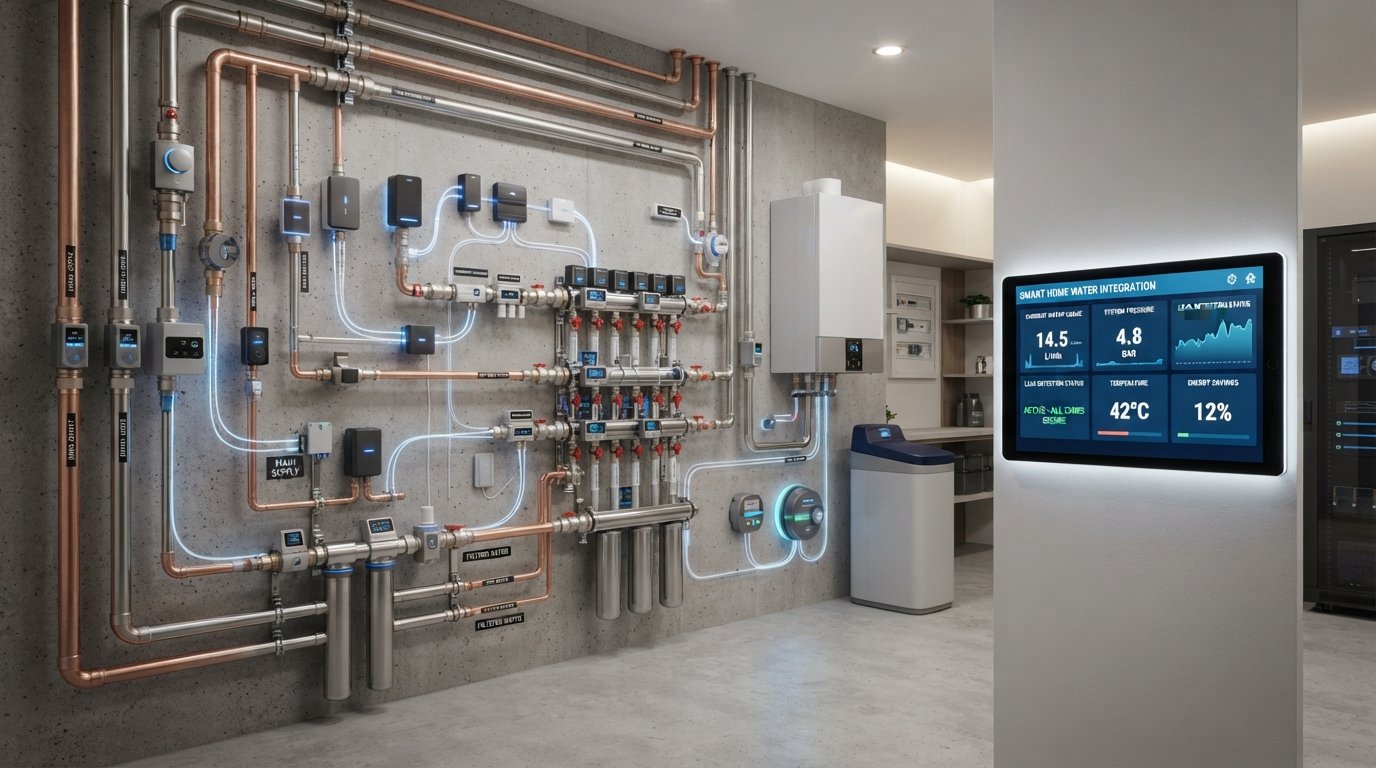
Modern homes are becoming more connected every year. Lighting, security, climate control, and appliances can now communicate with homeowners through smart devices. However, plumbing systems also play an important role in this shift. A well-planned pipe system supports many smart technologies that improve water management, safety, and efficiency.
Today's plumbing is no longer limited to carrying water from one point to another. It can work alongside smart sensors, automated valves, leak detection systems, and water monitoring devices. These technologies help homeowners reduce water waste, protect their property, and lower maintenance costs.
Manufacturers, builders, and plumbing professionals now pay greater attention to pipe quality because smart plumbing systems rely on durable and reliable infrastructure. Without a dependable piping network, even the most advanced technology cannot perform as intended.
The Growth of Smart Plumbing Systems
Smart homes continue to evolve because homeowners want greater convenience and better control over household systems. Plumbing has become an important part of this development.
Modern plumbing systems can now connect with:
- Leak detection sensors
- Smart shut-off valves
- Water usage monitors
- Smart irrigation systems
- Water quality monitoring devices
- Pressure monitoring systems
- Tankless water heater controls
These technologies work together to improve efficiency while reducing the risk of unexpected plumbing failures.
Why Pipe Quality Matters in Smart Homes
Every smart plumbing device depends on the condition of the pipe network. If pipes suffer from corrosion, scaling, or frequent leakage, smart devices may only detect problems rather than prevent them.
High-quality pipes provide:
- Stable water pressure
- Reliable flow rates
- Long-term durability
- Reduced maintenance
- Better compatibility with monitoring devices
As a result, homeowners receive more accurate readings and better system performance.
Smart Leak Detection Starts with Reliable Pipes
Water leaks cause thousands of dollars in property damage every year. Small leaks often remain unnoticed until they become serious problems.
Smart leak detection systems continuously monitor water movement. If unusual flow patterns appear, they immediately notify homeowners through mobile applications.
The effectiveness of these systems depends on proper pipe installation.
Reliable pipes help sensors identify:
- Continuous water flow
- Pressure drops
- Hidden leaks
- Burst pipes
- Frozen pipe conditions
Early detection prevents extensive repairs and protects valuable property.
Automated Shut-Off Valves Improve Safety
One of the biggest advantages of smart plumbing is the automatic shut-off valve.
When sensors detect a major leak, the valve immediately closes the water supply. This response limits water damage before it spreads throughout the building.
Proper pipe installation ensures that automated valves operate smoothly without unnecessary pressure fluctuations.
These systems are especially valuable during:
- Family vacations
- Winter seasons
- Long business trips
- Vacant rental properties
Water Usage Monitoring Encourages Conservation
Many homeowners have little idea how much water they use each day.
Smart water monitoring devices provide real-time consumption reports. These reports help homeowners identify waste and adjust their habits.
Monitoring systems can display:
- Daily water usage
- Weekly trends
- Monthly comparisons
- Appliance consumption
- Outdoor irrigation use
When combined with efficient pipe systems, these devices support responsible water management.
Pressure Monitoring Protects Plumbing Systems
Water pressure that is too high places stress on pipes, fittings, and plumbing fixtures.
Smart pressure sensors constantly monitor the system and alert homeowners when pressure exceeds safe levels.
Consistent pressure monitoring helps reduce:
- Pipe bursts
- Joint failures
- Fixture damage
- Appliance wear
Stable pressure also extends the service life of the entire plumbing system.
Smart Irrigation Depends on Efficient Pipe Networks
Outdoor water use represents a significant portion of household consumption.
Smart irrigation controllers adjust watering schedules according to:
- Weather forecasts
- Soil moisture
- Temperature
- Seasonal changes
However, these systems require efficient underground piping to distribute water evenly.
Proper pipe layouts improve irrigation performance while reducing water waste.
Water Quality Monitoring Systems
Many homeowners now install smart devices that measure water quality throughout the home.
These systems monitor:
- Temperature
- pH levels
- Mineral content
- Water flow
- Contaminant indicators
Although monitoring devices cannot improve poor piping, quality pipes help maintain cleaner water throughout the distribution system.
Integration with Home Automation Platforms
Smart plumbing products now communicate with popular home automation systems.
Homeowners can receive notifications through smartphones whenever the plumbing system detects unusual activity.
Some systems even allow users to:
- Shut off water remotely
- Review water consumption
- Schedule irrigation
- Monitor pressure
- Receive maintenance reminders
This level of control improves convenience while reducing emergency situations.
Pipe Material Influences Smart System Performance
Different pipe materials offer different performance characteristics.
Modern plastic piping systems are commonly selected because they resist corrosion and maintain smooth interior surfaces for many years.
Reliable pipe materials support:
- Accurate flow monitoring
- Stable pressure readings
- Reduced sediment buildup
- Lower maintenance needs
These benefits improve the overall effectiveness of smart plumbing technologies.
Installation Accuracy Remains Essential
Even advanced smart devices cannot compensate for poor installation practices.
Professional installation ensures:
- Correct pipe sizing
- Proper joint alignment
- Secure fittings
- Balanced pressure
- Efficient water flow
Careful planning also makes future upgrades much easier.
Maintenance Becomes More Predictable
Traditional plumbing maintenance often depends on visible problems.
Smart systems change this approach by identifying early warning signs before failures occur.
Homeowners can address:
- Minor leaks
- Pressure changes
- Unusual consumption
- Valve problems
- Sensor alerts
Preventive maintenance reduces repair costs while extending the life of the plumbing system.
Benefits for Residential Builders
Builders increasingly include smart plumbing features in new homes because buyers value energy efficiency and convenience.
Smart-ready pipe systems increase property value by supporting future technology upgrades without major renovations.
Builders also benefit from:
- Lower warranty claims
- Better customer satisfaction
- Improved construction quality
- Reduced maintenance issues
Benefits for Commercial Buildings
Commercial facilities also use smart plumbing technologies to monitor large water systems.
Office buildings, hotels, hospitals, and educational institutions rely on automated monitoring to reduce operating expenses.
Smart plumbing helps facility managers:
- Detect leaks quickly
- Track water consumption
- Reduce downtime
- Improve maintenance planning
- Protect valuable infrastructure
Planning for Future Technologies
Smart home technology continues to evolve.
Future plumbing innovations may include:
- AI-based water management
- Predictive maintenance systems
- Advanced water recycling controls
- Improved energy optimization
- Fully automated plumbing diagnostics
Homes with well-designed pipe systems will adapt more easily to these advancements.
Supporting Long-Term Plumbing Performance
Choosing dependable piping products is an important step toward building a smart-ready home. High-quality pipe systems provide the stable foundation required for sensors, monitoring equipment, and automated controls to perform efficiently over many years. Companies such as Plasco Pipes manufacture modern piping solutions that support durable plumbing infrastructure for residential, commercial, and industrial applications, making them well suited for projects that plan to integrate today's smart technologies as well as future innovations.
Conclusion
Smart home technology continues to reshape modern living, and plumbing has become an important part of that transformation. From leak detection and automated shut-off valves to water monitoring and smart irrigation, connected plumbing systems improve safety, efficiency, and convenience.
However, every smart plumbing feature depends on a reliable piping network. Strong pipe materials, proper installation, and thoughtful system design create the foundation that allows these technologies to deliver long-term value. As smart homes become more common, dependable pipe systems will remain essential for efficient water management and sustainable living.

 English
 Arabic
 French
 Spanish
 Portuguese
 Deutsch
 Turkish
 Dutch
Dutch
 Italiano
 Russian
 Romaian
 Greek
Greek