


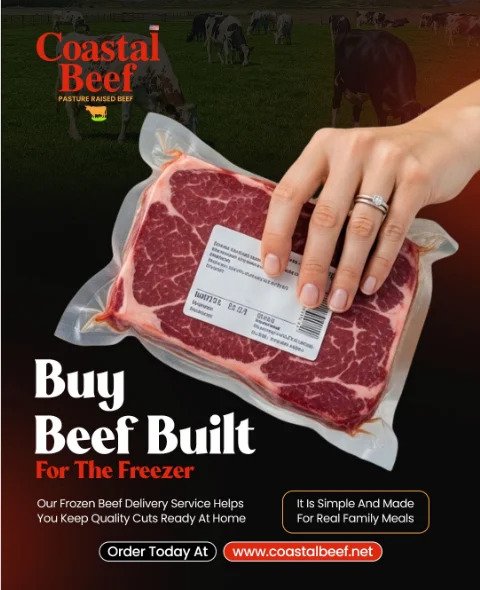
The moment a frozen beef box lands on the doorstep, the buyer has only one real question: did the quality survive the trip?
That question is fair. Frozen beef can either feel like smart planning or a freezer gamble. The difference is not luck. It comes down to how the beef was raised, sealed, packed, shipped, stored, and thawed before it ever reaches the pan.
For health-conscious buyers, learning how to order frozen beef online is not just about convenience. It is about protecting flavor, texture, sourcing trust, and dinner confidence. A great steak, roast, brisket, or ground beef pack should not lose its value just because it traveled in a cold box.
Frozen does not mean second-best. When handled correctly, frozen beef can arrive protected, portioned, freezer-ready, and ready for meals that feel planned instead of rushed.
Key Takeaways
-
Frozen beef quality depends on sealing, cold-chain handling, delivery speed, and storage.
-
Vacuum-sealed packaging helps reduce air exposure, which can protect texture and flavor.
-
Buyers should inspect the box quickly, store beef immediately, and thaw it safely.
-
The best frozen beef order fits real meals, from weeknight dinners to grilling and freezer stocking.
What Makes Frozen Beef Taste Fresh After Delivery?
Frozen beef tastes fresh when it is protected before, during, and after freezing. The goal is to lock in quality before air, temperature swings, or poor packaging can damage texture.
That is why professional freezing and sealed packaging matter. Beef that is cut, sealed, and frozen with care has a better chance of holding its natural moisture and flavor than beef left exposed to air or stored in weak packaging.
The common mistake is assuming “frozen” automatically means older or lower quality. In reality, freezing is a preservation method. The better question is not “Is it frozen?” It is “Was it frozen and handled the right way?”
James Beard is often remembered for saying, “Food is our common ground.” That idea fits here. Good beef is not only about the cut; it is about the trust that lets a household enjoy the meal without second-guessing the source or the handling.
What Should Buyers Check Before Checkout?
Before ordering, buyers should slow down and check the details that protect quality. A polished product photo is not enough.
A reliable frozen beef order should explain:
-
where the cattle were raised
-
whether the beef is pasture-raised or grass-fed
-
whether the product is USDA-certified or inspected
-
how the beef is sealed
-
whether it ships frozen
-
how quickly delivery is expected
-
what cuts are included in boxes or bundles
This is where many buyers save themselves from disappointment. If the seller does not explain packaging, delivery, or cut details clearly, the order may create more questions than confidence.
The Quality Check Behind Better Frozen Beef
A frozen beef order should pass a simple four-part check: Seal, Chill, Store, Thaw.
-
Seal: Choose beef that is vacuum sealed or tightly packed to limit air exposure.
-
Chill: Make sure the seller explains how frozen beef stays cold in transit.
-
Store: Move the beef into the freezer soon after delivery.
-
Thaw: Thaw only what is needed, and do it in a way that protects texture.
This check keeps quality from slipping at the most common points: checkout, delivery, storage, and cooking day.
How Does Packaging Protect Frozen Beef Quality?
Packaging is not a small detail. It is the first barrier between premium beef and freezer damage.
Air exposure can dry out the surface of meat and contribute to freezer burn. Weak wrapping, loose bags, or packages with gaps make it harder for beef to hold its best texture over time.
Vacuum-sealed beef is often preferred because it removes much of the air around the meat. It also makes freezer organization easier. Flat, sealed packs stack better, label better, and thaw more predictably than bulky or loosely wrapped packages.
For families ordering ground beef, patties, roasts, briskets, steaks, or beef shank, packaging can decide whether the freezer feels organized or chaotic.
Frozen Beef Choices That Protect Dinner Plans
| Buyer Need | Better Frozen Beef Choice | Why It Helps | Mistake to Avoid |
| Quick weeknight meals | Ground beef or patties | Easy to portion and cook | Buying only premium steaks |
| Weekend grilling | Ribeye, strip, or sirloin | Gives dinner a clear purpose | Thawing too late |
| Slow comfort meals | Roasts or beef shank | Works well for low, patient cooking | Rushing the thaw |
| Freezer stocking | Mixed boxes or bundles | Covers multiple meal types | Ignoring freezer space |
| Backyard gatherings | Brisket or larger cuts | Built for longer cooking | Ordering without a cook plan |
The smartest order is not always the most expensive one. It is the one that matches the way the household actually eats.
What Should Frozen Beef Look Like on Arrival?
Frozen beef should arrive cold, firm, and properly packed. USDA food safety guidance says frozen foods kept continuously at 0°F can remain safe indefinitely, although freezer storage recommendations are mainly about quality over time.
That does not mean buyers should ignore the box. Once the delivery arrives, it should be opened promptly. The beef should feel frozen or very cold, with packaging intact and no strong odor, excessive leaking, or signs that the box sat too long in heat.
A buyer should move the beef to the freezer right away unless part of the order will be cooked soon. Even then, the safest move is to thaw under controlled conditions instead of letting meat sit out on the counter.
What Should Buyers Do Right After Delivery?
The first ten minutes matter. A frozen beef delivery should not sit by the door while the day gets busy.
Use this quick arrival routine:
-
Open the box as soon as possible.
-
Check that packages are still frozen or very cold.
-
Look for broken seals or damaged packaging.
-
Place long-term items in the freezer.
-
Put near-term cooking items in the refrigerator to thaw slowly.
-
Take photos and contact the seller if anything looks unsafe or questionable.
This is not overthinking. It is how buyers protect the order they paid for.
The Freezer Burn Problem Buyers Can Prevent
Freezer burn is one of the fastest ways to make good beef feel disappointing. It usually shows up as dry, pale, grayish, or tough spots where air has reached the meat.
Freezer burn is often a quality issue, not proof that the beef is automatically unsafe. Still, it can hurt flavor, tenderness, and appearance. For buyers spending money on better beef, that matters.
The prevention plan is simple:
-
keep packages sealed
-
avoid tearing labels or corners
-
store beef toward the back of the freezer
-
rotate older cuts forward
-
avoid repeated thawing and refreezing
-
use smaller packs when cooking for fewer people
The freezer should feel like a meal plan, not a storage cave.
What Is the Best Way to Defrost Frozen Beef?
Thawing is where many good orders lose quality. Leaving beef on the counter may feel convenient, but it is not the best move for safety or texture.
The better method is refrigerator thawing. It takes more time, but it keeps the beef cold while it softens evenly. Ground beef may thaw overnight, while larger roasts or briskets need more time.
For faster thawing, a sealed package can be placed in cold water, with the water changed regularly. The beef should stay sealed so water does not touch the meat directly. Microwave thawing can work in a rush, but the beef should be cooked immediately because parts may begin warming unevenly.
The best habit is simple: plan tomorrow’s beef tonight.
What Do Buyers Get Wrong About Frozen Beef?
Many buyers treat frozen beef like a backup plan. That mindset is the problem.
Frozen beef works best when it is ordered with purpose. A buyer who stocks only steaks may still struggle with weeknight dinners. A buyer who orders only ground beef may miss out on roasts, shanks, or brisket for slower meals.
The better approach is balance.
A strong frozen beef order should include quick cuts, slow cuts, and special cuts. That way, the freezer supports real life: burgers after work, roast on Sunday, steaks on the grill, and brisket when the family gathers.
Frozen beef should not sit forgotten for months because no one knows what to do with it. It should be easy to reach for and easy to use.
Why Does Frozen Beef Still Need a Trusted Source?
Freezing protects beef, but it does not create quality from nothing. The source still matters.
Health-conscious consumers often want beef that reflects care before it ever reaches packaging. Pasture-raised cattle, transparent raising practices, USDA-certified quality, and clear product categories all help buyers feel more confident about what they are serving.
This is especially important for families who are trying to move beyond anonymous grocery-store beef. They want to know the product is not just cold, but carefully raised, properly handled, and useful in their own kitchens.
A frozen delivery can be convenient. A well-sourced frozen delivery can feel trustworthy.
Frozen Beef That Survives the Trip and Serves Well
The best frozen beef order does more than survive shipping. It should make cooking easier.
A sealed pack of ground beef can turn into tacos, chili, burgers, or pasta sauce. A roast can anchor a weekend meal. Steaks can make a regular Friday feel special. Beef shank can bring depth to slow soups and braised dishes. A brisket can become the reason people gather around the table.
That is the real test: not whether the beef looked good online, but whether it helped the household eat better after delivery.
Ordering frozen beef online without losing freshness or quality comes down to smart choices. Check the source. Respect the cold chain. Look for strong packaging. Store it fast. Thaw it carefully. Cook it with a plan.
For buyers who want pasture-raised, USDA-certified American Beef and Angus beef delivered with freshness-focused packaging, COASTAL BEEF LLC gives families and home cooks a dependable place to start.
Summary
Ordering frozen beef online works best when buyers look beyond the product photo and focus on sourcing, sealing, shipping, storage, and thawing. Frozen beef can still taste fresh when it is packed properly, kept cold, and handled carefully after delivery. A smart order should support real meals, protect flavor, and make the freezer feel ready instead of random.
FAQs
1. What makes a good frozen beef order online?
A good frozen beef order includes clear sourcing, sealed packaging, dependable shipping details, practical cuts, and instructions for storage after delivery.
2. What are the best practices for storing frozen beef?
Keep beef sealed, store it toward the back of the freezer, label packages by date, rotate older cuts forward, and thaw only what will be cooked.
3. How to thaw frozen beef without losing quality?
The best method is refrigerator thawing. It keeps beef cold while it softens evenly and helps protect texture better than rushed counter thawing.
4. What are the top mistakes buyers make with frozen beef?
Common mistakes include leaving the box outside too long, ignoring damaged seals, thawing on the counter, refreezing carelessly, and ordering cuts without a meal plan.
5. Does frozen beef cost more than grocery-store beef?
Cost depends on sourcing, cut type, packaging, shipping, and order size. The value improves when buyers use every cut instead of letting the freezer fill with forgotten packages.

 English
 Arabic
 French
 Spanish
 Portuguese
 Deutsch
 Turkish
 Dutch
Dutch
 Russian
 Romaian
 Portuguese (Brazil)
 Greek
Greek