


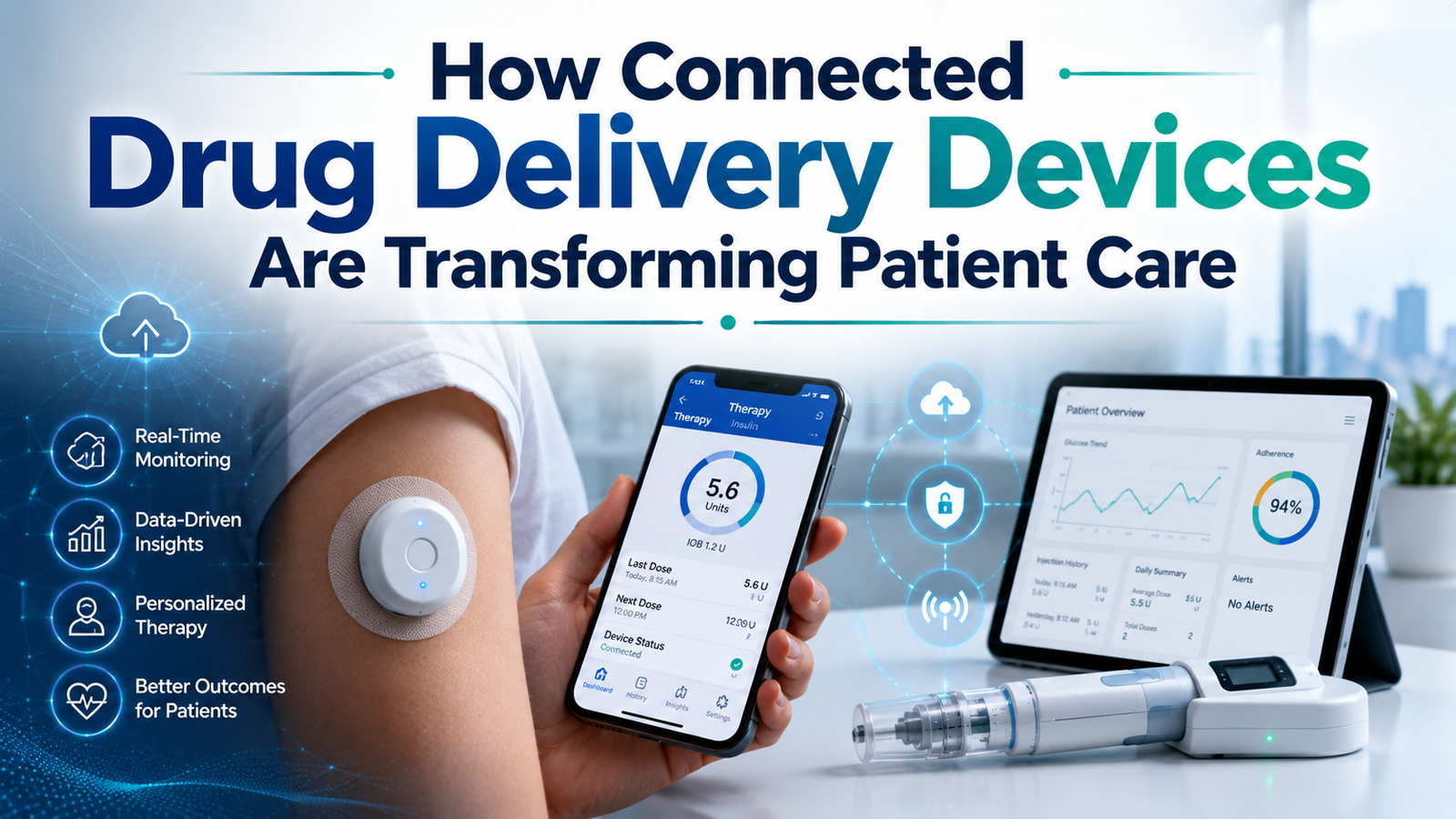
Connected drug delivery devices are redefining the way medications are administered and monitored across modern healthcare systems. By integrating digital technologies such as Bluetooth connectivity, mobile applications, and cloud-based data platforms, these devices help patients and healthcare professionals track medication adherence and treatment outcomes in real time. Their growing use is particularly evident in the management of chronic conditions that require long-term therapy.
The shift toward patient-centric healthcare and remote disease management has accelerated the adoption of connected medical technologies. Smart inhalers, connected injectors, and wearable drug delivery systems are becoming valuable tools for improving compliance while reducing the burden on healthcare providers. According to the Connected Drug Delivery Devices Market report, the industry is witnessing strong momentum as healthcare ecosystems increasingly embrace digital transformation.
Rising Chronic Disease Burden Is Driving Device Adoption
The increasing prevalence of chronic illnesses such as diabetes, asthma, and cardiovascular disorders is one of the most significant factors supporting the adoption of connected drug delivery solutions. These conditions often require regular medication schedules, and missed doses can reduce treatment effectiveness or lead to complications. Connected devices help address this challenge by sending reminders, recording usage data, and enabling clinicians to monitor adherence remotely.
As per a study published by MarkNtel Advisors, the global connected drug delivery devices industry was valued at USD 4.2 billion in 2024 and is projected to reach USD 11 billion by 2030, expanding at a CAGR of around 17% during 2025-2030. The report highlights the growing incidence of non-communicable diseases as a major factor supporting long-term industry expansion.
The World Health Organization’s report on noncommunicable diseases also emphasizes that chronic diseases account for the majority of global deaths, reinforcing the need for technologies that can improve medication adherence and patient engagement.
Digital Health Integration Is Creating Smarter Treatment Pathways
Connected drug delivery devices are no longer standalone products. They increasingly operate as part of larger digital health ecosystems that combine wearable sensors, mobile health applications, and telemedicine platforms. This integration allows healthcare professionals to receive real-time treatment data and adjust therapies based on patient-specific patterns.
Bluetooth-enabled drug delivery devices currently represent one of the most prominent technology segments, reflecting the demand for seamless data sharing between devices and healthcare applications. The ability to synchronize treatment information with electronic health records improves clinical decision-making while reducing manual documentation requirements.
The expansion of telehealth services has further strengthened this trend. Remote consultations and virtual care models encourage the use of connected devices that provide reliable medication data without requiring frequent in-person visits. This capability is especially valuable for elderly patients and individuals living in remote locations.
Technological Innovation Is Enhancing Patient Experience
Advancements in sensor technology, miniaturized electronics, and cloud connectivity are making connected drug delivery devices more accurate and user-friendly. Modern systems can provide automated dose tracking, adherence notifications, and personalized treatment insights, reducing the likelihood of medication errors.
Manufacturers are also focusing on interoperability, ensuring that devices can integrate with digital therapeutics and broader healthcare management platforms. This evolution supports value-based healthcare models, where improved outcomes and preventive care play an increasingly important role.
Recent industry developments illustrate this innovation cycle. In August 2024, Medtronic announced a technology partnership with Abbott to integrate Abbott’s continuous glucose monitoring systems with Medtronic insulin delivery solutions, demonstrating the industry's movement toward connected and data-driven diabetes care.
North America Leads While Global Opportunities Continue to Expand
North America currently represents the leading regional landscape for connected drug delivery devices, supported by advanced healthcare infrastructure, high digital health adoption, and significant investments in medical technology innovation. The region also benefits from widespread awareness of chronic disease management and a strong presence of leading device manufacturers.
At the same time, emerging economies are creating new opportunities for market participants. Improvements in healthcare infrastructure, greater smartphone penetration, and expanding access to digital health services are making connected therapies more accessible across Asia-Pacific, Latin America, and parts of the Middle East.
The increasing use of home healthcare and self-administration therapies is another important trend. Patients and providers alike are seeking convenient solutions that minimize hospital visits while maintaining treatment quality. Connected delivery devices align with this objective by supporting safe and efficient medication management outside traditional clinical environments.
The Future of Connected Drug Delivery Devices
The future of connected drug delivery devices will likely be shaped by deeper integration with artificial intelligence, predictive analytics, and personalized medicine platforms. Data collected from smart devices can help identify adherence patterns, optimize treatment plans, and support preventive healthcare strategies. As digital ecosystems continue to evolve, connected drug delivery technologies may become essential components of routine chronic disease management.
Leading companies such as Medtronic, Insulet, Tandem Diabetes Care, Abbott, Roche, Becton Dickinson and Company, Gerresheimer AG, Ypsomed AG, and West Pharmaceutical Services are actively contributing to innovation across this evolving landscape. Their focus on interoperability, patient convenience, and data-driven healthcare solutions reflects the industry's broader transition toward connected care models.
The U.S. Food and Drug Administration’s Digital Health Center of Excellence also highlights the growing role of digital medical technologies in improving patient outcomes and enabling more effective healthcare delivery. As healthcare systems increasingly prioritize remote monitoring and personalized treatment, connected drug delivery devices are expected to remain a critical area of technological advancement.

 English
 Arabic
 French
 Spanish
 Portuguese
 Turkish
 Dutch
Dutch
 Italiano
 Russian
 Romaian
 Portuguese (Brazil)
 Greek
Greek