


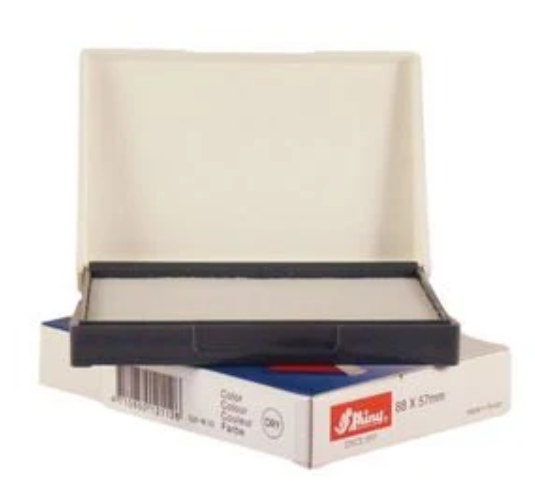
A quality stamp impression starts with the right stamp ink and stamp pad. Whether you are using a traditional rubber stamp for business documents, marking fabric, creating crafts, or handling everyday office tasks, the right ink helps produce clean, consistent, and professional results. Acorn Stamps offers a selection of stamp pads, specialty pads, and rubber stamp inks designed for different stamping applications.
Why Quality Stamp Ink and Stamp Pads Matter
A rubber stamp can only create a good impression when it is properly inked. The wrong ink may produce faded impressions, smudging, uneven coverage, or poor adhesion to the material being stamped.
A suitable ink pad for rubber stamps provides even ink distribution across the stamp surface. This makes it easier to achieve sharp impressions without repeatedly re-stamping the same area. For frequent stamping, having a dependable ink pad and the appropriate refill ink can also help keep your stamp ready whenever you need it.
Types of Stamp Ink and Stamp Pads
Different stamping projects require different types of ink. Acorn Stamps offers several options for common stamping needs, including rubber stamp ink, standard ink pads, cloth-covered pads, and specialty stamp pads.
Rubber Stamp Ink
Rubber stamp ink can be useful when an existing stamp pad needs to be refreshed or when you want to maintain your stamping supplies. Acorn Stamps offers rubber stamp ink for stamp pads as well as fabric ink options.
Choosing the correct refill is important because not every type of ink is designed for every stamp. For example, standard rubber stamp ink is intended for appropriate rubber stamp applications, while specialty inks are formulated for particular surfaces.
Rubber Stamp Ink Pads
A traditional rubber stamp ink pad is an essential accessory for wood-mounted and other traditional rubber stamps. Simply press the stamp evenly onto the pad before transferring the image onto your paper or other suitable surface.
Traditional rubber stamp pads are especially useful for offices, schools, packaging, stationery, libraries, and creative projects where repeated impressions are needed.
Cloth Stamp Pads
Cloth-covered stamp pads are useful for projects that require a larger or more specialized stamping surface. Acorn Stamps offers cloth stamp pads in different options, including specialty pads designed for specific applications.
Some cloth stamp pad options can be used with different types of ink, making them practical for users who work with specialty materials.
Specialty Ink for Different Materials
Not every stamping project involves ordinary paper. Fabric, labels, packaging materials, and other surfaces may require specialty ink.
Acorn Stamps offers fabric ink designed for cloth, linen, and clothing. The product information notes that this ink is non-acid-based and can be used without preparation or heat-setting with an iron.
Quick-drying ink is another useful option for certain applications. Acorn Stamps describes its quick-dry ink as an all-purpose, waterproof option suitable for materials such as resin-coated photographic paper, Mylar, and chrome-coated labels.
Choosing ink according to the material can help improve adhesion, drying time, and the overall appearance of the stamped impression.
How to Choose the Right Stamp Pad
Consider these factors before choosing an ink pad:
| Feature | What to Consider |
|---|---|
| Stamp Type | Check whether you are using a traditional rubber stamp, self-inking stamp, or another stamp style. |
| Material | Paper, fabric, labels, and other surfaces may require different inks. |
| Pad Size | Choose a pad large enough to cover the complete stamping surface. |
| Ink Type | Select standard, fabric, quick-dry, or specialty ink based on your project. |
| Color | Choose an ink color that provides the visibility and appearance you want. |
Tips for Getting Clean Stamp Impressions
A few simple techniques can make a noticeable difference in stamping quality.
First, make sure the stamp surface is clean before applying ink. Press the stamp evenly onto the pad rather than pushing one side harder than the other. After inking, position the stamp on a firm, flat surface and press straight down.
For large stamps, use a pad that provides enough coverage across the entire design. Acorn Stamps recommends using a hard, flat surface for clear impressions and avoiding unnecessary rocking of the stamp.
It is also important to use the appropriate ink for your stamp. For example, Acorn Stamps specifically notes that its regular rubber stamp ink should not be used with pre-inked stamps.
Why Keep Extra Ink and Pads on Hand?
Having replacement ink and an extra stamp pad available can save time, particularly for businesses, teachers, offices, makers, and frequent stamp users. Instead of waiting until a pad becomes completely dry, you can keep your stamping supplies ready for regular use.
Multiple ink colors can also provide more flexibility. Traditional rubber stamps can be used with different stamp pads, allowing you to change the appearance of your impressions without purchasing another stamp. Acorn Stamps notes that traditional wooden stamps require a separate ink pad and can be used with multiple pad colors.
Stamp Ink and Stamp Pads for Home, Office, and Creative Projects
Stamping is useful far beyond basic paperwork. Businesses can use stamps for packaging, branding, organization, and documents. Teachers can use them for classroom activities and creative projects. Crafters can use specialty inks on appropriate materials, while families can use stamps for stationery, cards, scrapbooks, and personalized projects.
Acorn Stamps also carries a broad selection of custom rubber stamps, business stamps, teacher stamps, book and library stamps, address stamps, and other stamping products, making it convenient to pair a stamp with the appropriate accessories.
Choose Stamp Ink & Stamp Pads from Acorn Stamps
Acorn Stamps provides stamp ink and stamp pads for a variety of traditional stamping applications. From standard rubber stamp pads to fabric and specialty ink options, selecting the right accessory can help you achieve cleaner, more reliable impressions.
Whether you need replacement ink for an existing stamp or a larger pad for a specialty project, explore the Stamp Ink & Stamp Pads collection to find an option suited to your stamping needs.
Conclusion
The right stamp ink and stamp pad can make everyday stamping easier and improve the quality of every impression. Consider your stamp type, stamping surface, required ink characteristics, and pad size before making your selection. With suitable supplies, traditional rubber stamps can remain a practical tool for offices, classrooms, businesses, crafting, packaging, and personal projects.
FAQs:
- What ink should I use with a traditional rubber stamp?
Regular rubber stamp ink and a compatible ink pad are suitable for many traditional rubber stamps. Always check the ink instructions for your specific stamp. - Can I use fabric ink on clothing?
Yes. Fabric ink is designed for suitable textile surfaces such as cloth, linen, and clothing. - Do traditional rubber stamps need a separate ink pad?
Yes. Traditional wood-mounted rubber stamps generally require a separate ink pad, unlike self-inking stamps with built-in ink pads. - How can I get a clearer stamped impression?
Use an appropriate ink pad, place the material on a firm flat surface, apply even pressure, and press the stamp straight down. - Where can I find stamp ink and stamp pads?
Acorn Stamps offers a dedicated Stamp Ink & Stamp Pads collection with rubber stamp ink, standard pads, cloth pads, and specialty options.

 Arabic
 French
 Spanish
 Portuguese
 Deutsch
 Turkish
 Dutch
Dutch
 Italiano
 Russian
 Romaian
 Portuguese (Brazil)
 Greek
Greek