


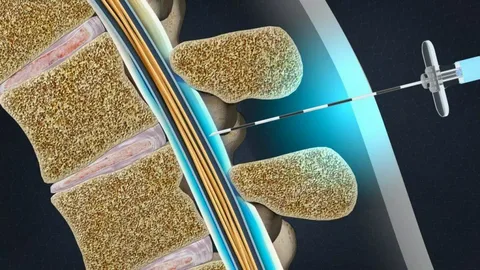
Back pain can make ordinary activities feel difficult. Sitting, walking, bending, sleeping, or getting through a workday may become challenging when pain continues or travels into the legs. When inflammation around the spinal nerves contributes to these symptoms, an epidural steroid injection for back pain may be considered as part of a broader treatment plan.
Not every type of back pain responds to an injection. Epidural injections are mainly used when irritation or inflammation around spinal nerves contributes to pain, such as pain linked with a herniated disc or narrowing around the nerves. A careful evaluation can help determine if this treatment matches the source of your symptoms.
What is an Epidural Steroid Injection?
An epidural steroid injection delivers anti-inflammatory medicine into the epidural space around the spinal nerves. A small amount of numbing medicine may also be used during the procedure. The goal is to reduce inflammation around an irritated nerve and provide pain relief.
The injection does not repair a damaged disc or permanently remove the cause of every back problem. Instead, it may reduce symptoms enough to help a person move more comfortably and participate in other parts of a treatment plan, such as physical therapy and exercise.
When Can an Epidural Injection Help Back Pain?
An epidural injection may be considered when inflammation around a spinal nerve is contributing to pain. This can happen with conditions such as a herniated disc, spinal stenosis, or certain types of nerve irritation.
The symptoms often provide important clues. Pain that travels from the lower back into the buttock or leg, along with numbness or tingling, may suggest nerve involvement. A doctor will review your symptoms and imaging before deciding if an epidural injection is appropriate.
What Conditions Can Cause Nerve Related Back Pain?
Several spinal conditions can irritate or compress nearby nerves. A herniated disc may press against a nerve, while spinal narrowing can reduce the available space around nerve structures. Degenerative changes in the spine may also contribute to inflammation and nerve irritation.
Back pain can have many other causes, including muscle strain, joint problems, fractures, and other conditions. This is why an injection should not be used simply because someone has back pain. Identifying the actual pain source is an important part of treatment.
How Does an Epidural Steroid Injection for Back Pain Work?
The steroid medicine is intended to calm inflammation around an irritated spinal nerve. If inflammation is contributing to pain, reducing it may decrease symptoms and improve movement. The effect varies from person to person. Some people may notice improvement within a few days, while others may experience limited or temporary relief.
The duration of relief can also differ depending on the underlying condition and severity of nerve irritation. Before the injection, the doctor reviews your symptoms, medical history, and available imaging. You are positioned so the treatment area can be reached safely.
The skin is cleaned, and a local anesthetic may be used to reduce discomfort during the procedure. Using imaging guidance, the doctor carefully places a needle near the targeted epidural space. Contrast dye may be used to confirm the needle position before medication is delivered. The needle is then removed, and the injection site is covered.
Is the Procedure Painful?
Most people tolerate epidural injections well. You may feel a brief pinch from the local anesthetic, followed by pressure as the needle is positioned. Some patients may notice temporary pressure or an unusual sensation during the injection.
Pain levels can vary depending on the injection site and individual sensitivity. Your medical team can explain what you may feel before treatment and discuss ways to keep you comfortable throughout the procedure.
What are the Benefits of Back Pain Injection Treatment?
Back pain injection treatment may provide temporary relief when inflammation around a spinal nerve contributes to symptoms. For some patients, reducing pain can make it easier to walk, exercise, sleep, or participate in physical therapy.
An injection may also be used as part of a larger plan to manage pain without immediately moving to more invasive treatment. However, it is not appropriate for every patient, and the expected benefits should be discussed with a qualified specialist.
Can an Epidural Injection Replace Surgery?
An epidural injection does not always eliminate the need for surgery. It may help control symptoms for some people, but the underlying spinal condition may still require other treatment.
For patients who have severe nerve compression, progressive weakness, significant structural problems, or other serious findings, surgery may be considered. A specialist can compare available options based on symptoms, examination findings, and imaging.
What is Recovery Like After an Injection?
Most people can return home after the procedure. Your doctor may recommend taking it easy for the remainder of the day and gradually returning to normal activities according to your individual instructions.
Temporary soreness at the injection site can occur. Some people may also experience a short-term increase in pain before the medication begins to work. If you develop severe or worsening symptoms, contact your healthcare provider promptly.
Are There Risks With Epidural Steroid Injections?
Like any medical procedure, epidural injections have potential risks. These may include infection, bleeding, headache, nerve injury, or a reaction to medication. Serious complications are uncommon, but your doctor should discuss the risks before treatment.
Steroid medicine can also have temporary effects on blood sugar, blood pressure, sleep, or mood in some people. Tell your doctor about medications, medical conditions, allergies, and any blood-thinning medicines before the procedure.
When Should You Not Ignore Back Pain?
Back pain accompanied by new weakness, significant numbness, loss of bladder or bowel control, or numbness around the groin or inner thighs requires urgent medical evaluation. These symptoms can indicate serious nerve compression.
Severe back pain after a major accident, unexplained weight loss, fever, or a history of cancer also deserves prompt medical attention. An injection should not delay evaluation when warning signs suggest a more serious condition.
Finding Epidural Injection Care in Mesquite
People searching for an epidural steroid injection in Mesquite may benefit from a professional evaluation before choosing treatment. The source of the pain, medical history, imaging findings, and previous treatments all help determine if an epidural injection is suitable.
Someone searching for a back pain injection specialist in Mesquite should look for a physician experienced in diagnosing different causes of spinal pain and performing image-guided procedures. A proper diagnosis can help avoid unnecessary injections and focus treatment on the actual source of symptoms.
How Can You Prepare for an Epidural Injection?
Tell your doctor about all medications and supplements you take before the procedure. This is important if you use blood-thinning medication or have conditions that may affect bleeding, blood sugar, infection risk, or healing. You should also discuss allergies, previous reactions to injections, and any recent illness.
Follow the clinic’s instructions about eating, drinking, medications, transportation, and activity before and after the procedure. Patients looking for an epidural steroid injection near me should consider the physician’s experience, the type of spinal problems treated, and whether appropriate imaging and follow-up care are available.
FAQs
How many epidural steroid injections can a person have?
There is no single number that is appropriate for everyone. Doctors consider how well previous injections worked, the underlying condition, other treatments, and the risks of repeated steroid exposure before recommending another injection.
Can an epidural steroid injection help sciatica?
It may help when sciatica is caused by inflammation or irritation around a spinal nerve. Relief varies, and the injection does not correct every structural cause of sciatica.
Can I walk after an epidural steroid injection?
Many patients can walk after the procedure once they are ready to leave the clinic. Your doctor may recommend limiting strenuous activity for a short period and gradually returning to normal activities.
Is an epidural injection the same as a spinal injection?
The terms can sometimes be used broadly, but they do not always mean the same procedure. Epidural injections deliver medication into the epidural space around the spinal nerves, while other spinal injections target different structures.
Does an epidural steroid injection permanently cure back pain?
Usually, the goal is symptom relief rather than a permanent cure. The duration of benefit depends on the cause of pain and the individual response. Other treatments may still be needed to address the underlying condition.
Conclusion
Living with ongoing back pain can affect nearly every part of your routine. If pain continues despite conservative care or travels into the leg with numbness or tingling, a professional assessment can help identify the source and guide treatment. Dr. Rao K. Ali can evaluate persistent spinal pain and discuss appropriate treatment options, including injections when clinically indicated. An epidural steroid injection for back pain may provide relief for some patients when inflammation around a spinal nerve is contributing to their symptoms. A proper evaluation can help determine if this treatment is right for you.

 Arabic
 French
 Spanish
 Portuguese
 Deutsch
 Turkish
 Dutch
Dutch
 Italiano
 Russian
 Romaian
 Portuguese (Brazil)
 Greek
Greek