


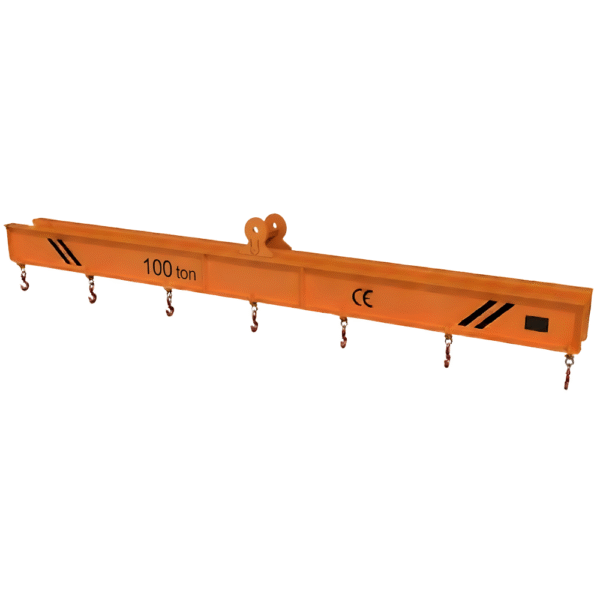
In heavy lifting operations, maintaining load balance and reducing stress on lifting equipment is critical. That is where a Spreader Beam becomes an essential part of the lifting process. Whether in construction sites, offshore projects, fabrication yards, shipping operations, or industrial plants, spreader beams help improve lifting safety and load distribution.
A Spreader Beam is a below-the-hook lifting device designed to spread the lifting force across a load. It uses compressive force to keep lifting slings apart and prevent damage to the load being lifted. Companies involved in engineering and lifting solutions rely on properly designed spreader beams to handle complex lifting requirements safely and efficiently.
Understanding the Purpose of a Spreader Beam
A Spreader Beam is mainly used when a load requires multiple lifting points or when the lifting angles need to remain controlled. Unlike standard lifting bars, a spreader beam helps maintain vertical sling alignment, reducing side loading and minimizing stress on the cargo.
In industries where oversized or delicate equipment must be lifted, using a spreader beam improves operational safety while protecting the structure of the load. This is especially important in sectors such as:
- Oil and gas
- Marine and offshore
- Construction
- Manufacturing
- Heavy engineering
- Logistics and transportation
Engineering and lifting solution providers often customize spreader beams according to the weight, dimensions, and lifting environment of a project.
How Does a Spreader Beam Work?
A Spreader Beam works by distributing the load evenly through the beam structure. The lifting force is applied at the top center while the load is attached to points located farther apart underneath the beam.
This arrangement helps maintain proper spacing between slings and reduces inward compression on the load.
Main Components of a Spreader Beam
A standard spreader beam generally includes:
- Main beam structure
- Top lifting lug
- Bottom lifting points
- Shackles and slings
- End fittings
- Load identification markings
Each component is engineered to meet required lifting capacities and safety standards. Reliable engineering and lifting solutions companies ensure that every spreader beam undergoes inspection and load testing before use.
Difference Between a Spreader Beam and a Lifting Beam
Many beginners confuse a spreader beam with a lifting beam, but they function differently.
Spreader Beam
- Primarily handles compressive forces
- Keeps slings separated
- Suitable for long or fragile loads
- Reduces sling angle stress
Lifting Beam
- Handles bending forces
- Supports loads directly beneath the beam
- Often used for shorter lifting spans
Selecting the correct lifting device depends on the project requirements and load configuration.
Advantages of Using a Spreader Beam
Using a Spreader Beam offers several operational and safety benefits in heavy lifting applications.
Improved Load Stability
One of the biggest advantages of a spreader beam is better load balance. By distributing the weight evenly, the beam reduces the risk of tilting or shifting during lifting.
Reduced Stress on the Load
A spreader beam minimizes inward pressure caused by sling angles. This is important when lifting equipment with delicate surfaces or structural sensitivity.
Enhanced Safety
Safety is a major concern in lifting operations. Properly engineered spreader beams reduce equipment failure risks and support safer lifting procedures.
Flexibility in Lifting Operations
Spreader beams can be customized for:
- Different lifting capacities
- Multiple lifting points
- Adjustable lengths
- Offshore lifting requirements
- Confined space operations
Engineering and lifting solutions providers often manufacture spreader beams according to international lifting standards and project-specific requirements.
Common Applications of a Spreader Beam
A Spreader Beam is widely used across various industries due to its versatility and lifting efficiency.
Construction Industry
Construction companies use spreader beams for lifting:
- Steel structures
- Precast concrete sections
- Heavy machinery
- Structural frames
Offshore and Marine Projects
In offshore operations, spreader beams help lift:
- Pipelines
- Subsea equipment
- Containers
- Offshore modules
Marine lifting operations require specially coated spreader beams that can withstand harsh environmental conditions.
Manufacturing and Industrial Plants
Factories and industrial plants use spreader beams for equipment installation, maintenance shutdowns, and machinery relocation projects.
Specialized Heavy Lifting Operations
Complex lifting projects may require engineered spreader beam systems with:
- Multiple lifting points
- Modular extensions
- Adjustable configurations
- High-capacity designs
Professional engineering and lifting solution companies conduct detailed calculations before designing these systems.
Important Safety Considerations
Using a Spreader Beam safely requires proper planning, inspection, and operator awareness.
Load Capacity Verification
Always confirm the Working Load Limit (WLL) of the spreader beam before lifting. Overloading can lead to structural failure and unsafe operations.
Regular Inspection
A spreader beam should be inspected for:
- Cracks
- Corrosion
- Bent sections
- Weld defects
- Damaged lifting points
Routine maintenance helps ensure long-term performance and safety compliance.
Proper Rigging Practices
Incorrect sling angles or improper rigging can reduce lifting efficiency and increase risk. Qualified rigging professionals should always supervise lifting operations involving spreader beams.
Compliance with Industry Standards
Reliable engineering and lifting solutions providers follow recognized standards such as:
- ASME standards
- DNV regulations
- OSHA requirements
- Lifting equipment certification guidelines
Compliance helps maintain operational safety and equipment reliability.
Choosing the Right Spreader Beam
Selecting the correct Spreader Beam depends on several factors, including:
- Load weight
- Load dimensions
- Center of gravity
- Lifting height
- Environmental conditions
- Number of lifting points
Custom-engineered spreader beams are often the best option for specialized lifting projects. Experienced engineering and lifting solution providers assess project needs carefully before recommending a lifting system.
High-quality fabrication, accurate engineering calculations, and certified testing all play a major role in ensuring safe lifting operations.
Companies like Welmeqs Engineering and Lifting Solutions FZE LLC provide engineered lifting solutions designed to support industrial, offshore, and heavy lifting applications with safety and performance in mind. A professionally designed Spreader Beam can improve lifting efficiency, reduce operational risks, and support safer handling of valuable equipment across demanding project environments.

 Arabic
 French
 Spanish
 Portuguese
 Deutsch
 Turkish
 Dutch
Dutch
 Italiano
 Russian
 Romaian
 Portuguese (Brazil)
 Greek
Greek