


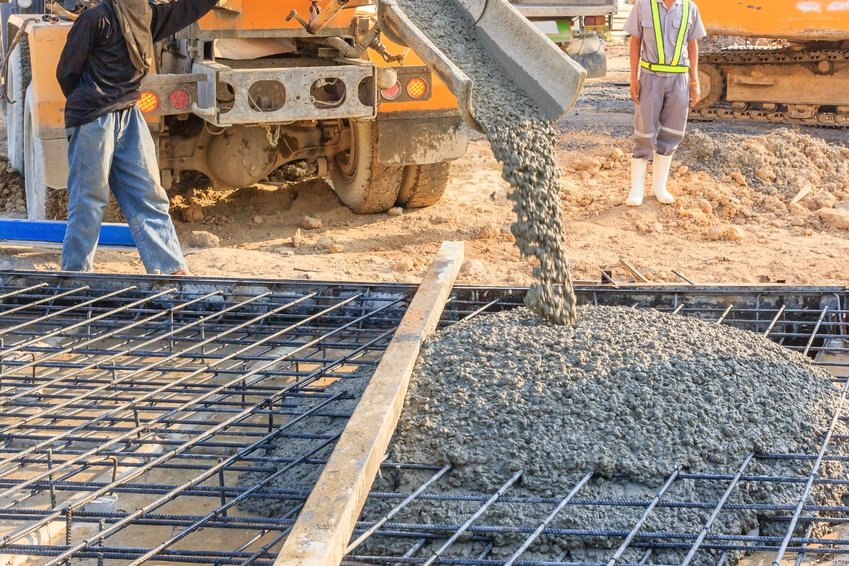
Infrastructure is the foundation of every modern society. Roads, bridges, railways, drainage systems, water supply networks, and power systems all depend on strong and reliable construction. As cities expand and populations grow, the demand for fast, safe, and cost-effective construction continues to increase.
Precast concrete company play a very important role in meeting this demand. They help build modern infrastructure by producing high-quality concrete products in factories and delivering them ready for installation. This method saves time, improves quality, and reduces work at the construction site.
What Are Precast Concrete Companies?
Precast concrete companies manufacture concrete products in a controlled factory environment instead of making them directly at the construction site. Workers pour concrete into molds, allow it to cure properly, and then transport the finished products to the site.
This method is different from traditional construction, where workers mix and pour concrete on-site.
Common Products Made by Precast Companies
Precast companies produce a wide range of infrastructure components, such as:
- Bridge beams and girders
- Concrete pipes and culverts
- Drainage systems
- Manholes and utility boxes
- Retaining walls
- Barriers and panels
- Light pole bases
These products are strong, durable, and ready to install, which makes construction faster and easier.
Speeding Up Infrastructure Development
One of the biggest roles of precast concrete companies is helping projects finish faster.
Parallel Work Process
Precast companies manufacture components in factories while workers prepare the construction site. This means both processes happen at the same time.
For example:
- The factory produces bridge beams
- Workers prepare the bridge foundation on-site
When the components arrive, workers install them immediately.
Quick Installation
Precast products do not need curing time at the site. Workers can install them quickly using cranes and simple tools.
Result
This process helps:
- Reduce project timelines
- Open roads and facilities sooner
- Improve public convenience
Faster construction is very important for large infrastructure projects.
Improving Quality and Strength
Infrastructure must be strong and long-lasting. Precast concrete companies ensure high quality in every product.
Controlled Factory Environment
Factories control all conditions during production. Workers can:
- Measure materials accurately
- Maintain proper temperature and moisture
- Follow strict quality standards
Consistent Production
Each product follows the same process, which ensures:
- Uniform strength
- Accurate dimensions
- Reliable performance
Long-Term Benefits
High-quality precast components:
- Last for many years
- Require less maintenance
- Reduce repair costs
Reducing On-Site Work
Traditional construction requires a lot of work at the site. Precast concrete companies reduce this burden.
Less Manual Work
Workers do not need to:
- Build formwork
- Mix and pour concrete
- Wait for curing
Most of the work happens in the factory.
Cleaner Construction Sites
Less on-site activity means:
- Less noise
- Less dust
- Less material waste
This makes the site safer and more organized.
Improving Safety in Construction
Safety is a major concern in infrastructure projects. Precast concrete companies help improve safety in several ways.
Fewer Risks on Site
Since workers do less work on-site, they face fewer risks such as:
- Handling wet concrete
- Working with heavy formwork
- Long exposure to construction hazards
Strong and Reliable Products
Precast components are designed and tested to meet safety standards. This ensures that:
- Bridges can handle heavy loads
- Drainage systems work properly
- Structures remain stable
Supporting Large-Scale Projects
Infrastructure projects are often large and complex. Precast concrete companies make these projects easier to manage.
Mass Production
Factories can produce many components quickly. This is useful for:
- Highways
- Railways
- Urban development projects
Standardization
Using standard designs helps:
- Reduce errors
- Improve efficiency
- Simplify construction
Reducing Weather-Related Delays
Weather can slow down construction, especially when working with concrete.
Problems with Traditional Methods
Rain, heat, or cold weather can:
- Delay concrete pouring
- Affect curing
- Reduce strength
Advantage of Precast Concrete
Precast companies produce components indoors, so weather does not affect production.
Workers can also install precast components quickly, even in less-than-perfect weather.
Result
- Fewer delays
- Better scheduling
- Reliable timelines
Saving Costs in Infrastructure Projects
Precast concrete companies help reduce overall project costs.
Lower Labor Costs
Since less work is done on-site, fewer workers are needed.
Faster Completion
Shorter project timelines reduce:
- Equipment costs
- Overhead expenses
Less Rework
High-quality products reduce mistakes and repairs.
Long-Term Savings
Durable precast components last longer and need less maintenance.
Supporting Environmental Sustainability
Modern construction focuses on protecting the environment. Precast concrete companies support sustainable practices.
Reduced Waste
Factories use materials efficiently, which reduces waste.
Efficient Resource Use
Precast production optimizes the use of:
- Cement
- Water
- Steel
Less Site Disturbance
Shorter construction time reduces:
- Noise pollution
- Dust
- Environmental damage
Flexibility and Custom Design
Precast concrete companies offer flexibility to meet project needs.
Custom Sizes and Shapes
They can produce components in different:
- Sizes
- Shapes
- Strength levels
Built-In Features
They can include:
- Openings for pipes
- Electrical conduits
- Embedded hardware
This reduces extra work during installation.
Role in Different Types of Infrastructure
Precast concrete companies support many sectors of infrastructure.
Transportation Projects
They provide components for:
- Roads
- Bridges
- Tunnels
- Railways
Utility Systems
They produce:
- Sewer systems
- Drainage structures
- Electrical duct banks
Urban Development
They help build:
- Residential areas
- Commercial buildings
- Public spaces
Improving Project Planning
Precast concrete companies help project managers plan better.
Predictable Production
Factories follow fixed schedules, so deliveries are reliable.
Better Coordination
Project teams can:
- Plan installation dates
- Avoid delays
- Work more efficiently
Use of Modern Technology
Precast concrete companies use modern technology to improve their work.
Automation
Machines help with:
- Mixing concrete
- Placing reinforcement
- Finishing surfaces
Design Software
Engineers use software to create accurate designs.
Monitoring Systems
Sensors check:
- Temperature
- Moisture
- Strength
Technology makes production faster and more reliable.
Real-Life Example
Imagine building a large highway project.
Traditional Method
Workers would:
- Build formwork
- Pour concrete
- Wait for curing
This takes a lot of time.
Precast Method
With precast:
- Components are ready before they arrive
- Workers install them quickly
- The project moves faster
This clearly shows how precast concrete companies improve efficiency.
Why Precast Concrete Companies Are Important
Precast concrete companies play a key role in modern infrastructure because they:
- Speed up construction
- Improve quality
- Reduce costs
- Increase safety
- Support sustainability
They help build strong and reliable infrastructure for growing cities.
Conclusion
Precast concrete companies are an essential part of infrastructure development. They provide high-quality, ready-to-use components that make construction faster, safer, and more efficient.
By producing concrete products in a controlled factory environment, they reduce delays, improve quality, and lower costs. They also help protect the environment and improve safety on construction sites.
As the demand for infrastructure continues to grow, the role of precast concrete companies will become even more important. They are helping build the roads, bridges, and systems that support daily life.

 English
 Arabic
 French
 Spanish
 Portuguese
 Deutsch
 Turkish
 Dutch
Dutch
 Italiano
 Romaian
 Portuguese (Brazil)
 Greek
Greek