


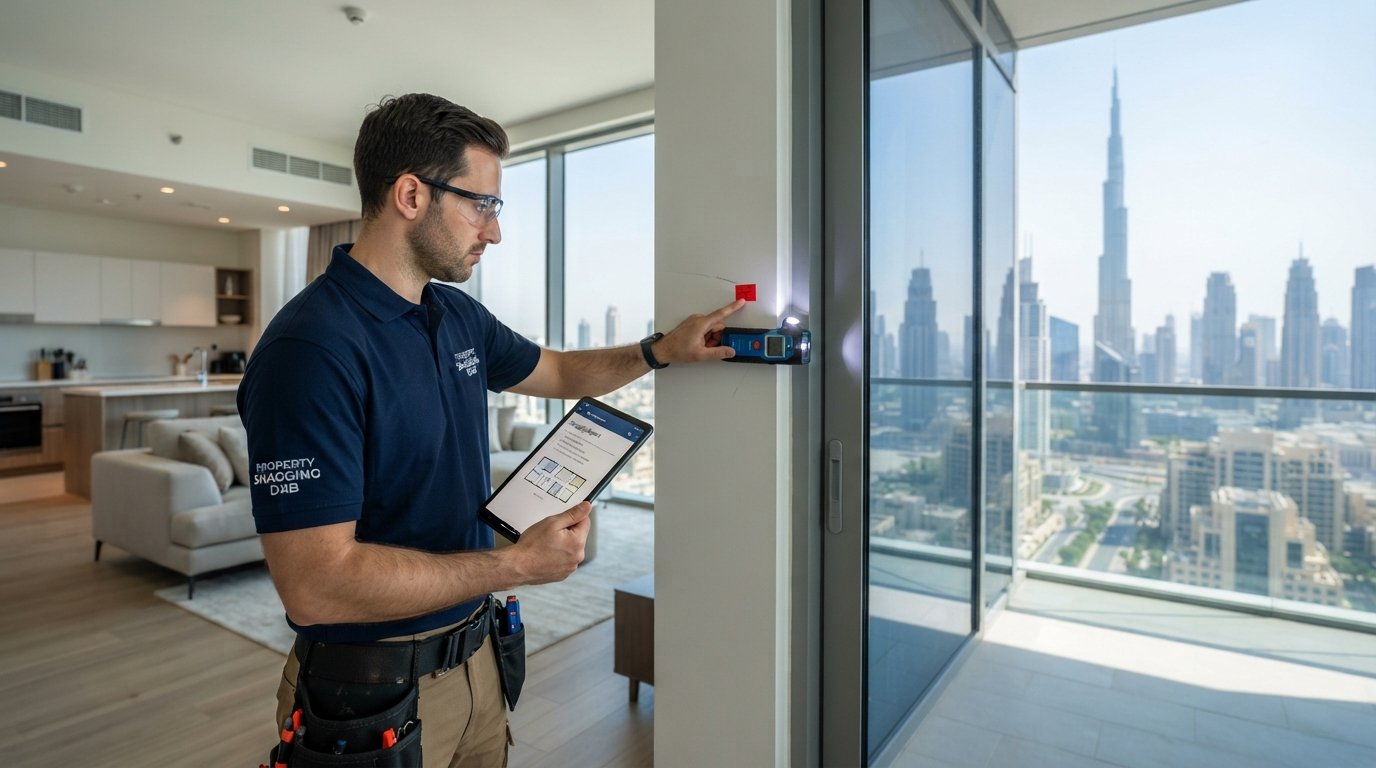
Buying a new property in Dubai is an exciting opportunity, whether you are planning to move into your dream home or invest in the city's real estate market. From stylish apartments and modern townhouses to spacious villas, Dubai offers a wide range of residential properties. However, a newly completed property does not always mean that every detail is finished perfectly. Construction defects, poor workmanship, damaged fixtures, and installation problems can remain unnoticed during an ordinary viewing.
Property snagging Dubai is a professional inspection service that helps buyers identify these issues before accepting a property or moving into their new home. The process involves examining accessible areas, testing installed fixtures where appropriate, documenting defects, and preparing a detailed report that can be shared with the developer.
A proper inspection gives property owners a clearer understanding of the property's condition and helps them address outstanding concerns before they become more inconvenient or costly. Understanding how snagging works, what it covers, and how to choose an experienced inspector can make the property handover process more straightforward.
What Is Property Snagging Dubai?
Property snagging is a systematic inspection of a newly built or recently completed property to identify visible defects, incomplete work, finishing problems, and functional issues. The purpose is to assess whether the property's accessible features appear to meet the expected standard of workmanship and functionality.
Common problems include cracked tiles, uneven paint, loose handles, poorly aligned doors, leaking taps, damaged cabinets, faulty lighting, and air conditioning concerns. Some defects affect the appearance of a property, while others may influence comfort, usability, or maintenance requirements.
A professional snagging inspector examines the property and records the findings in a structured report. This report generally includes photographs, descriptions of defects, and details about their locations. The buyer can then share the findings with the developer and request appropriate corrective action.
Property snagging services are available for apartments, villas, townhouses, and other residential properties throughout Dubai. The precise inspection scope depends on the property type, accessibility, and services agreed upon with the inspection company.
Why Is Property Snagging Important Before Handover?
Property handover is an important stage of the buying process. Accepting a property without examining its condition carefully may leave you unaware of defects that become apparent only after you start using its facilities.
Identify Defects Before Moving In
A professional inspection helps identify visible problems while the property is still in the handover stage, where access and the developer's procedures permit it.
Inspectors examine surfaces, doors, windows, bathrooms, kitchens, and other accessible components to identify incomplete finishing or functional concerns. Documenting these findings allows buyers to communicate specific issues instead of relying on general observations.
Protect Your Property Investment
Real estate purchases involve substantial financial commitments, and unexpected repair expenses can affect both homeowners and investors.
Property snagging helps reveal observable problems that may require attention before the owner settles into the property. Although snagging cannot prevent every future maintenance issue, it provides valuable information about the property's condition at the time of inspection.
Improve Safety and Everyday Comfort
A property should provide a safe and comfortable environment. Damaged electrical fittings, leaking plumbing connections, faulty locks, and malfunctioning air conditioning controls can interfere with normal use.
An inspection can identify accessible problems that deserve attention. Concerns involving electrical safety, structural performance, or specialised building systems may require additional assessment by qualified professionals.
Create Clear Documentation
A detailed snagging report provides a written record of identified defects. Photographs and precise descriptions help the developer understand what needs attention and where the problem is located.
Keeping copies of inspection reports, repair requests, and follow-up findings also helps buyers track the progress of corrective work.
What Does a Property Snagging Inspection Cover?
A comprehensive inspection examines accessible areas, finishes, fixtures, and installations according to the agreed service scope.
Walls, Ceilings, and Paintwork
Inspectors examine walls and ceilings for visible cracks, uneven plaster, peeling paint, stains, damaged finishes, and signs of moisture.
Poorly finished surfaces can affect the property's appearance, while unexplained stains or cracks may indicate concerns that require further investigation. A visual inspection can document these signs but may not establish their underlying cause.
Flooring and Tiling
Flooring is checked for cracked tiles, uneven surfaces, damaged edges, loose sections, poor grout application, and gaps around skirting boards.
Bathrooms, kitchens, and balconies deserve particular attention because moisture can make certain flooring defects more problematic. Inspectors may also examine transitions between different flooring materials for visible finishing issues.
Doors, Windows, and Locks
Doors and windows should open and close smoothly without unnecessary resistance. Inspectors check accessible hinges, handles, locks, frames, seals, and visible glazing for damage or alignment problems.
Poorly fitted windows may allow air leakage or unwanted noise, while defective locks can affect security and convenience. Any visible problems should be documented for review.
Plumbing and Bathroom Fixtures
Bathrooms, kitchens, and utility areas require careful examination. Accessible taps, showers, toilets, drainage points, and visible plumbing connections may be checked for proper operation.
Typical concerns include leaking taps, loose sanitary fittings, slow drainage, damaged sealant, and inconsistent water flow. Signs of water damage around cabinets, floors, and bathroom fittings should also be recorded.
Electrical Fixtures and Lighting
The inspection may cover accessible switches, sockets, lighting fixtures, and installed controls, depending on the agreed scope.
Inspectors document visible damage, loose fittings, incomplete installations, and components that do not function as expected. Advanced electrical testing should be carried out by an appropriately qualified specialist when necessary.
Air Conditioning and Ventilation
Air conditioning plays an essential role in maintaining comfortable indoor temperatures in Dubai. Inspectors may assess accessible controls, thermostat operation, cooling performance, airflow, unusual noise, and visible signs of leakage.
Weak cooling, inconsistent temperatures, or water around an indoor unit may indicate problems that require further assessment by a qualified HVAC technician.
Kitchen Cabinets and Built-In Appliances
Kitchen inspections generally cover cabinet doors, hinges, drawers, handles, worktops, visible joints, and installed appliances when included in the service.
Inspectors look for damaged surfaces, loose fittings, misaligned doors, incomplete sealing, and other finishing problems. Identifying these defects early helps buyers document concerns before the property becomes occupied.
Balconies, Terraces, and External Areas
Properties with balconies, terraces, or accessible outdoor spaces may require additional checks for cracked tiles, damaged railings, drainage concerns, visible cracks, and incomplete finishes.
Waterproofing performance and structural integrity cannot always be verified through a visual inspection alone. Any concerns in these areas may require a more specialised assessment.
How Does Property Snagging Work in Dubai?
Understanding the inspection process helps buyers prepare for handover and communicate more effectively with their developers.
Book a Professional Inspection
The process begins by contacting a snagging company and providing details about the property, its location, its type, and its handover status.
Before confirming the appointment, ask about the inspection checklist, report format, available technical testing, and whether a follow-up visit is included.
Conduct the Property Inspection
The inspector visits the property and examines accessible rooms, surfaces, installations, and fixtures. The objective is to identify visible defects and functional concerns within the agreed scope.
Buyers should arrange access to relevant areas and ensure that essential utilities are available when testing requires them.
Receive the Snagging Report
After the inspection, the company prepares a report describing the findings. A useful report contains photographs, clear explanations, and location details that help the developer identify each problem.
The report should distinguish between cosmetic defects, functional issues, and concerns that may require specialist investigation.
Submit the Findings to the Developer
The buyer can share the report with the developer and request that the documented defects be reviewed and corrected.
It is advisable to retain copies of the report and related communications. The developer's obligations depend on the purchase agreement, applicable warranty conditions, and the circumstances of each defect.
Arrange a Follow-Up Inspection
After corrective work has been completed, a reinspection can help establish whether the recorded issues have been addressed satisfactorily.
Any remaining concerns should be documented and communicated through the appropriate process.
When Should You Arrange Property Snagging?
The preferred time to arrange a snagging inspection is when the developer confirms that the property is ready for inspection and handover, ideally before formal acceptance where the applicable procedures permit it.
An early inspection gives the developer an opportunity to review the findings and arrange repairs before the buyer moves in.
For off-plan properties, buyers should coordinate with the developer to confirm when access becomes available. They should also review contractual requirements and handover deadlines because booking an inspection does not automatically extend payment obligations or other formal deadlines.
Snagging can also be useful after handover if previously unnoticed defects become apparent, if a property has remained vacant, or if an investor wants to assess its condition before renting it out.
How to Choose the Best Property Snagging Company in Dubai
Choosing an experienced inspection company can make it easier to identify defects and document findings accurately.
Review Experience and Qualifications
Look for a company with relevant experience in inspecting properties similar to yours. A large villa with outdoor areas and complex installations may require different expertise from a compact apartment.
Ask about the inspector's qualifications, technical knowledge, and ability to arrange specialist assessments when necessary.
Understand the Inspection Scope
A professional company should explain which areas and installations are included. Confirm whether the service covers plumbing, windows, doors, electrical fixtures, air conditioning, bathrooms, kitchens, and accessible outdoor spaces.
Do not assume that every package includes advanced diagnostic testing or inspections of inaccessible building components.
Request a Detailed Report
A useful report should include clear photographs, accurate descriptions, and information about the location of each defect.
Well-organised documentation helps buyers communicate concerns to the developer and track corrective work without confusion.
Compare Pricing and Services
Property snagging costs vary according to property size, layout, location, complexity, and the level of inspection required.
Request a transparent quotation and clarify whether reinspection, specialist testing, and additional visits are included. Comparing the quality of service alongside the price helps you choose an option that suits your property.
Choose an Independent Inspector
A reliable inspector should provide objective findings, explain the limitations of the inspection, and avoid promising that every defect will be detected.
Independent advice can help buyers understand the property's observable condition and identify concerns that deserve further investigation.
What Affects the Cost of Property Snagging in Dubai?
The price of a snagging inspection depends on the property and the services included.
A straightforward apartment may require less inspection time than a spacious villa with several bathrooms, extensive outdoor areas, multiple air conditioning units, and complex built-in features.
The property's condition also influences the inspection. A unit with numerous finishing concerns or incomplete installations may require additional time for documentation.
Some companies offer fixed inspection packages, while others provide customised quotations. Follow-up inspections and specialist testing may involve additional charges.
When comparing options, consider the inspector's experience, the depth of the inspection, the quality of the report, and the availability of support after the appointment. A detailed assessment can help you make more informed decisions about outstanding repairs.
Common Property Snagging Mistakes to Avoid
One common mistake is concentrating only on the property's appearance. Attractive interiors do not guarantee that plumbing, electrical fixtures, drainage, windows, and air conditioning function correctly.
Another mistake is rushing the inspection because of an approaching handover deadline. Sufficient time should be allowed to examine accessible areas carefully and record the findings.
Buyers should also avoid assuming that every defect will automatically be repaired by the developer. Responsibilities, warranty conditions, and reporting procedures depend on the applicable agreement and circumstances.
Finally, retain copies of the snagging report, photographs, repair requests, and reinspection findings. Clear records make it easier to monitor outstanding concerns and communicate with the developer.
Frequently Asked Questions About Property Snagging Dubai
What is property snagging Dubai?
Property snagging Dubai refers to the inspection of a property to identify visible construction defects, incomplete work, finishing problems, and functional issues. It helps buyers document concerns before or after handover.
Is property snagging necessary for a new home?
Snagging is a useful precaution because a normal viewing may not reveal every visible defect. An inspection provides a structured record of problems that can be discussed with the developer.
Can I inspect my property before handover?
In many cases, buyers can request an inspection before formal handover, subject to developer access arrangements and contractual procedures. Confirm the available inspection window before booking.
How long does property snagging take?
The inspection duration depends on the property's size, layout, condition, accessibility, and agreed scope. Larger properties with extensive installations generally require more time.
Can snagging identify hidden defects?
A standard visual inspection cannot identify every concealed problem. Defects behind walls, ceilings, flooring, or installed equipment may require specialist testing or further investigation.
Is property snagging useful for real estate investors?
Yes. Investors can use snagging to assess the property's condition before renting it out. Identifying visible defects early can help clarify repair requirements before tenants move in.
Can I arrange snagging for a villa or townhouse?
Yes. Villas and townhouses can benefit from snagging, particularly where they contain multiple bathrooms, terraces, outdoor areas, and extensive installations.
What should I do after receiving the inspection report?
Review the findings, share the report with the developer, and request appropriate corrective action. Retain written records and consider arranging a follow-up inspection to check completed repairs.
Can snagging be arranged after handover?
Yes. A post-handover inspection can help identify overlooked or newly apparent defects. Review applicable warranty terms, reporting deadlines, and contractual requirements promptly.
How do I choose a reliable snagging company?
Look for relevant experience, suitable qualifications, a clear inspection checklist, transparent pricing, detailed photographic reports, and an explanation of the service's limitations.
Conclusion
Property snagging Dubai is a valuable service for buyers purchasing new apartments, villas, townhouses, and investment properties. A professional inspection helps identify visible construction defects, poor finishing, plumbing concerns, electrical issues, and air conditioning problems before they create unnecessary inconvenience.
By choosing an experienced inspector, reviewing the report carefully, communicating findings to the developer, and arranging a follow-up inspection when appropriate, buyers can make more informed decisions about their property.
Whether you are preparing to move into a new home or investing in Dubai's real estate market, snagging offers a practical way to document property conditions and identify outstanding concerns. Taking this step can support a smoother handover, help protect your investment, and provide greater confidence in the quality of your new property.

 Arabic
 French
 Spanish
 Portuguese
 Deutsch
 Turkish
 Dutch
 Italiano
 Russian
 Romaian
 Portuguese (Brazil)
 Greek