


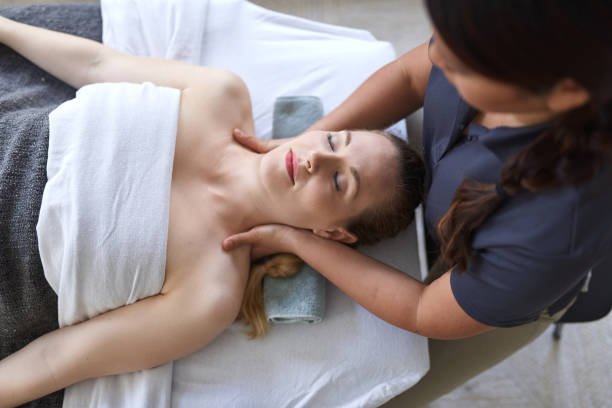
Swelling in the arms can cause discomfort, tightness, and a feeling of heaviness that makes everyday activities more difficult. It may develop after surgery, because of lymphatic system problems, or due to other medical conditions affecting fluid balance and circulation. Lymphatic massage is a gentle technique designed to encourage the movement of lymph fluid and help manage certain types of swelling. For individuals exploring Lymphatic Massage in Riyadh, understanding how this treatment works, its potential benefits, and the results it may provide can help them make informed decisions about their health and wellness. Although lymphatic drainage may improve symptoms in suitable cases, the outcome depends on the cause of swelling and the individual's medical needs.
The lymphatic system collects excess fluid from body tissues and returns it to the bloodstream while supporting immune function. When lymphatic vessels or nodes are damaged or do not work effectively, fluid can accumulate in the arms and contribute to a condition known as lymphedema. Lymphatic Massage in Riyadh may be recommended for people experiencing certain forms of lymphatic swelling, particularly when treatment is part of a professionally supervised care plan. Using light, rhythmic movements, a trained practitioner encourages fluid movement through functioning lymphatic pathways. However, arm swelling can have several causes, so identifying the underlying problem is essential before beginning treatment.
What Is Lymphatic Massage for Arms?
Lymphatic massage for the arms, also known as manual lymphatic drainage, is a specialized technique that uses gentle, controlled movements to encourage lymph fluid circulation. Unlike conventional massage, which may focus on muscle tension, lymphatic drainage emphasizes fluid movement through the lymphatic system.
The treatment may be used for selected cases of lymphedema or swelling following certain medical procedures. A trained practitioner assesses the affected arm, reviews the individual's medical history, and follows a technique appropriate for the person's condition. The pressure should remain light, and the treatment should not cause significant pain or bruising.
Benefits of Lymphatic Massage for Arm Swelling
May Help Reduce Fluid Accumulation
One of the main purposes of manual lymphatic drainage is to help manage swelling caused by impaired lymphatic function. For people with diagnosed lymphedema, it may help reduce excess fluid when combined with other recommended treatments. The extent of improvement varies depending on the severity and cause of the condition.
Helps Relieve Feelings of Heaviness
Excess fluid in the arm can create tightness, pressure, and discomfort. When swelling responds to treatment, some individuals may experience improved comfort and find everyday movements easier. However, persistent or unexplained swelling requires medical evaluation.
Supports Selected Postoperative Recovery Plans
Some people develop arm swelling after procedures that affect lymph nodes or lymphatic vessels, including certain breast cancer treatments. Manual lymphatic drainage may form part of a comprehensive lymphedema management plan when recommended by the healthcare team. Anyone recovering from surgery should obtain medical clearance before beginning massage.
May Support Everyday Mobility
When swelling and tightness improve, moving the arm may become more comfortable. Lymphatic drainage is often combined with appropriate exercise, compression garments, skin care, and professional monitoring to help manage ongoing symptoms.
How Does Lymphatic Massage for Arms Work?
Initial Consultation and Assessment
Before treatment, the practitioner should review your symptoms, medical history, medications, and any recent surgery or injury. They may assess the affected arm and determine whether lymphatic drainage is appropriate. If the swelling is new or unexplained, medical assessment should come first.
Gentle, Rhythmic Massage Movements
During the session, a trained practitioner uses light, carefully directed movements to encourage fluid toward functioning lymphatic drainage pathways. The technique may involve the upper arm, forearm, and surrounding areas, depending on the individual's condition. Deep pressure is not necessary for manual lymphatic drainage.
Personalized Aftercare
Following treatment, recommendations may include prescribed compression garments, gentle movement, skin care, or additional sessions. The treatment schedule depends on the underlying condition and the advice of the healthcare professional overseeing care.
What Results Can You Expect?
Short-Term Improvement
Some people may notice that the affected arm feels less heavy or tight after treatment. In suitable cases, swelling may decrease temporarily, although results vary. Not everyone experiences the same level of improvement.
Long-Term Swelling Management
Chronic conditions such as lymphedema often require ongoing care. Manual lymphatic drainage may be combined with compression therapy, exercise, skin care, and monitoring by a trained healthcare professional. Massage alone may not provide lasting control of swelling.
Realistic Expectations
Lymphatic massage does not remove arm fat, build muscle, or permanently reshape the arms. Its primary role is to support the management of certain types of fluid accumulation. A personalized treatment plan helps ensure that expectations are realistic and appropriate.
Who May Benefit From Arm Lymphatic Massage?
Lymphatic drainage may be appropriate for people with diagnosed lymphedema or selected cases of postoperative swelling when recommended by a qualified healthcare professional. It may also be considered for certain other lymphatic conditions following an appropriate assessment.
However, swelling may be caused by an injury, infection, blood clot, medication, or another medical condition. Sudden swelling in one arm, especially when accompanied by pain, redness, warmth, or prominent veins, needs urgent medical assessment. Chest pain or shortness of breath requires emergency medical attention.
Is Lymphatic Massage for Arms Safe?
When performed by a suitably trained practitioner for an appropriate indication, lymphatic drainage is generally well tolerated. Nevertheless, it may be unsuitable for people with suspected blood clots, acute infections, or certain serious heart or kidney conditions.
Always tell your practitioner about existing health conditions, medications, and recent procedures. Do not massage a swollen arm before seeking medical advice if the cause is unknown or the symptoms are worsening.
Choosing Professional Lymphatic Massage in Riyadh
When considering Lymphatic Massage in Riyadh, look for a practitioner trained in manual lymphatic drainage who understands lymphatic anatomy and the management of arm swelling. A professional consultation should include a discussion of your symptoms, medical history, treatment goals, and possible precautions.
For individuals managing lymphedema, a clinician with relevant experience can explain whether lymphatic drainage, compression, exercise, or other treatments may be suitable. Choosing a personalized approach helps ensure that treatment addresses the underlying concern rather than simply focusing on visible swelling.
Book Your Consultation at Royal Clinic Saudia
If arm swelling, tightness, or heaviness is affecting your comfort, consider arranging a consultation to discuss your concerns and explore suitable options. Royal Clinic Saudia can be your starting point for learning about available treatments and determining whether lymphatic drainage may be appropriate for your individual needs. Contact the clinic to arrange a consultation and receive personalized guidance.
FAQs:
Can lymphatic massage reduce swelling in the arms?
It may help manage swelling associated with certain lymphatic conditions, including lymphedema. Results depend on the underlying cause, and treatment may need to be combined with compression or other recommended therapies.
Can lymphatic massage help after breast cancer surgery?
It may be included in a professionally supervised treatment plan for lymphedema that develops after certain breast cancer treatments. Patients should consult their oncology or rehabilitation team before beginning massage.
How many sessions are needed for arm swelling?
The number of sessions depends on the diagnosis, severity of swelling, and individual response. A qualified healthcare professional can recommend an appropriate treatment schedule.
Can I massage my swollen arm at home?
Self-massage may be appropriate for some people with diagnosed lymphedema after they have been taught the correct technique by a qualified professional. New, painful, or unexplained swelling should be medically assessed before attempting massage.

 English
 Arabic
 French
 Portuguese
 Deutsch
 Turkish
 Dutch
 Italiano
 Russian
 Romaian
 Portuguese (Brazil)
 Greek