


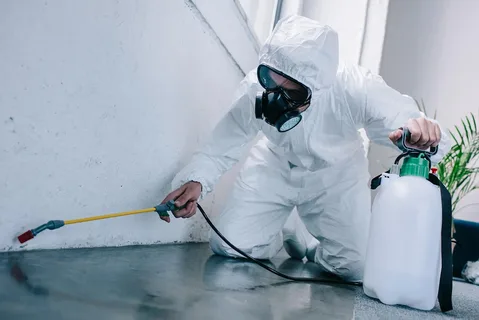
Searching for a termite control service near me usually means you have noticed a possible termite problem or want to protect your property before serious damage occurs. Termites can attack wooden structures, doors, furniture, cupboards, and other cellulose-based materials. In Pakistan, termite activity can affect homes and commercial properties in many regions, including major cities and smaller towns.
Early detection and proper termite treatment can help reduce structural damage. However, property owners should first understand the signs of infestation, available pest control methods, and the factors that matter when selecting a local termite control service.
This guide explains everything you need to know about termite control services in Pakistan, including inspection, treatment, prevention, and how to evaluate a professional service.
What Is a Termite Control Service?
A termite control service involves inspecting a property for termite activity and applying suitable methods to manage or prevent an infestation. The process may include identifying affected areas, locating possible entry points, treating active colonies, and recommending preventive measures.
A professional termite inspection may focus on areas such as:
- Wooden doors and window frames
- Furniture and cupboards
- Roof structures and wooden beams
- Basements and ground-floor areas
- Wall cracks and gaps
- Plumbing entry points
- Soil around the building
- Storage areas containing wood or paper
The exact treatment depends on the type and extent of termite activity. A proper assessment should come before deciding which termite control method is suitable.
Why Are Termites a Concern for Properties in Pakistan?
Termites thrive in environments where they can access food, moisture, and shelter. Pakistan has diverse climatic conditions, and termite risks can vary between regions. Warm temperatures and certain levels of moisture can support termite activity, especially where wood remains in contact with soil or damp areas.
Properties in cities such as Lahore, Karachi, Islamabad, Rawalpindi, Faisalabad, Multan, Peshawar, and other parts of Pakistan can face termite problems. The risk is not limited to large cities. Houses and buildings in smaller towns and rural areas may also experience infestations.
Termites often remain hidden. This makes them difficult to detect during the early stages. By the time visible damage appears, termites may have already affected wooden materials.
For this reason, searching for a termite control service near me should involve more than choosing the closest available option. Property owners should understand the inspection and treatment process before making a decision.
Common Signs That You May Need Termite Control
Termite activity does not always look obvious. Many termites travel and feed inside wood, walls, or underground pathways.
Look for the following warning signs.
Mud Tubes on Walls or Foundations
Some termites build narrow mud tubes to travel between their colony and a food source. These tubes may appear on walls, foundations, or other surfaces.
Hollow-Sounding or Damaged Wood
Termites can consume wood from the inside. A wooden surface may look normal but sound hollow when tapped. In some cases, the wood may become weak or break easily.
Small Holes or Surface Damage
Damaged wooden furniture, doors, frames, or structures may show small holes, cracks, or unusual surface patterns.
Swarming Insects or Discarded Wings
Winged termites may emerge during certain periods as part of their reproductive cycle. Finding many similar discarded wings near windows or lights may indicate termite activity.
Doors or Windows Becoming Difficult to Operate
Changes in wooden frames can make doors and windows harder to open or close. Termite damage is one possible cause, although moisture and other structural issues can also create similar problems.
If you notice several of these signs, arrange a detailed inspection instead of assuming the cause.
What Happens During a Termite Inspection?
A termite inspection helps identify whether termites are present and where the risk areas exist. The inspection process can vary depending on the property type and suspected infestation.
A typical inspection may involve:
- Examining visible wooden structures for damage or signs of activity.
- Checking walls, floors, and foundations for mud tubes or entry points.
- Inspecting damp areas near bathrooms, kitchens, and plumbing.
- Assessing exterior areas where soil touches wooden structures.
- Looking at furniture and storage spaces for hidden damage.
- Identifying conditions that increase termite risk, such as moisture or wood-to-soil contact.
A thorough inspection is important because surface treatment alone may not address termites hidden inside inaccessible areas.
Common Termite Treatment Methods
The best termite treatment depends on the termite species, building structure, infestation level, and affected areas. Different properties may require different approaches.
Soil Treatment
Soil treatment creates a treated zone around or beneath parts of a structure. It is commonly used to reduce termite access from the ground.
This method may be considered for:
- Houses with termite activity near foundations
- Buildings at risk from subterranean termites
- Properties requiring pre-construction or post-construction protection
The application method should match the structure and site conditions.
Wood Treatment
Wood treatment involves applying suitable termite-control products to vulnerable or affected wooden materials. This may help protect certain exposed wood areas.
It can be useful for:
- Wooden doors and frames
- Furniture
- Cabinets
- Roof timber
- Other accessible wooden components
However, treatment requirements depend on how deeply the infestation has spread.
Localized Treatment
Localized treatment targets specific areas where termite activity has been identified. It may suit limited infestations but requires accurate inspection.
Property owners should not assume that visible termite damage represents the full extent of the problem. Hidden activity may exist elsewhere.
Preventive Anti-Termite Treatment
Prevention is especially important for new construction and properties undergoing renovation. Pre-construction termite control may involve treating appropriate areas before flooring and other building components are completed.
Preventive measures can reduce future risk, but they do not eliminate the need for regular property checks.
How to Choose a Termite Control Service Near Me
When comparing a termite control service near me, focus on the quality of the inspection and the suitability of the proposed treatment.
Consider these factors:
- Does the service inspect the property before recommending treatment?
- Does it explain the suspected termite activity clearly?
- Does it identify the treatment method and affected areas?
- Does it provide safety instructions?
- Does it explain preparation requirements, if any?
- Does it provide information about follow-up inspections?
- Does it use pest control practices suitable for the property type?
Avoid choosing a service only because it offers the lowest price or appears first in a local search. The right approach depends on inspection quality, treatment suitability, and clear communication.
For properties across Pakistan, local conditions can also matter. Building design, climate, moisture levels, construction materials, and surrounding soil may influence termite risks.
How Can Property Owners Prevent Termite Problems?
Regular maintenance can help reduce conditions that attract termites.
Reduce Excess Moisture
Repair leaking pipes, damaged drainage systems, and areas where water collects near the property. Moisture can create favorable conditions for termite activity.
Keep Wood Away From Direct Soil Contact
Avoid leaving untreated wood, timber, cardboard, or similar materials directly against the ground near the building.
Seal Gaps and Entry Points
Check cracks around utility lines, pipes, walls, and foundations. Sealing suitable gaps can help reduce potential access routes.
Inspect Wooden Items Regularly
Check furniture, doors, frames, and storage areas for changes, hollow sections, mud-like material, or unusual damage.
Schedule Periodic Inspections
Regular inspections can help detect termite activity before damage becomes more extensive. Older buildings and properties with previous infestations may need particular attention.
Why Early Termite Detection Matters
Termite damage can develop gradually because the insects often remain hidden. Waiting until major visible damage appears may allow the infestation to spread further.
Early detection offers several benefits:
- It helps identify termite activity sooner.
- It may reduce the area affected.
- It supports more targeted treatment decisions.
- It helps protect wooden structures and belongings.
- It allows property owners to address moisture and access problems.
If you are searching online for termite control near me, termite treatment in Pakistan, anti-termite treatment, or pest control for termites, start by looking for accurate information about inspection and treatment rather than relying only on advertisements.
FAQ Section
The following frequently asked questions provide quick answers to common concerns about termite control in Pakistan. They can help property owners understand when to arrange an inspection, what treatment may involve, and how to reduce the risk of future termite activity.
1. How do I know if I need a termite control service near me?
You may need an inspection if you notice mud tubes, hollow wood, damaged furniture, discarded wings, or unexplained damage to wooden structures.
2. Can termites damage a house?
Yes. Termites can damage wooden doors, frames, furniture, beams, and other materials containing cellulose. The extent of damage depends on how long the infestation remains active.
3. Is termite treatment the same for every property?
No. Treatment depends on the termite activity, property structure, affected areas, and environmental conditions. An inspection should guide the treatment approach.
4. Can termite infestations return after treatment?
They can return if new colonies gain access to the property or if conditions remain favorable. Follow-up inspections and preventive maintenance can help reduce future risk.
5. What is the best way to prevent termites?
Control moisture, avoid wood-to-soil contact, seal suitable entry points, inspect wooden materials regularly, and arrange professional inspections when signs of termite activity appear.
Termite control requires proper inspection, suitable treatment, and ongoing prevention. Whether you own a home, office, shop, warehouse, or another property in Pakistan, understanding termite risks can help you take action before minor signs develop into major damage.

 Arabic
 French
 Spanish
 Portuguese
 Deutsch
 Turkish
 Dutch
 Italiano
 Russian
 Romaian
 Portuguese (Brazil)
 Greek