


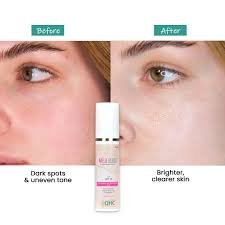
Uneven skin tone, tanning, and dark spots are common concerns, especially in places with strong sun exposure. Many people look for skincare products that can help improve the appearance of pigmentation and make the complexion look more even. If you are considering QHC whitening cream, it is important to understand what a brightening product can realistically do and how to choose one safely.
A good skincare product should support healthy-looking skin rather than promise an unrealistic change in your natural complexion. Ingredients, skin type, sun protection, product quality, and consistent use all play an important role when managing the appearance of uneven tone.
What Is a Skin Brightening Cream?
Skin brightening creams are topical skincare products designed to improve the appearance of uneven skin tone, dullness, and areas of visible pigmentation.
The term "whitening cream" is commonly used in the market, but healthy skincare is better understood as improving clarity and reducing the appearance of uneven pigmentation rather than changing someone's natural skin color.
Different formulas may contain moisturizing ingredients, antioxidants, exfoliating ingredients, or other compounds intended to support a more even-looking complexion.
The results depend on the formulation and the reason behind the pigmentation.
Why Does Skin Become Uneven?
Uneven skin tone can have several causes.
Sun Exposure
UV radiation can stimulate melanin production and contribute to tanning and dark spots.
Regular sun exposure can also make existing pigmentation more noticeable.
This is why sunscreen is one of the most important parts of any routine focused on improving uneven tone.
Post-Acne Marks
After acne or other inflammation, some people develop dark marks that remain after the original blemish has disappeared.
These marks can gradually fade, but the process may take time.
Hormonal Changes
Hormonal changes can contribute to certain forms of facial pigmentation.
If pigmentation appears suddenly, becomes widespread, or does not improve, professional assessment may be appropriate.
Skin Irritation
Repeated irritation from harsh products can make the appearance of uneven pigmentation worse in some people.
Using too many strong products at once can therefore work against your skincare goals.
Ingredients Commonly Used for Skin Brightening
When choosing a brightening cream, the ingredient list is more useful than dramatic advertising claims.
Niacinamide
Niacinamide is a form of vitamin B3 widely used in skincare.
It can support the skin barrier and may help improve the appearance of uneven skin tone over time.
It is generally used in a variety of formulations and can be suitable for many skin types.
Vitamin C
Vitamin C is an antioxidant commonly included in brightening skincare.
It can help protect the skin from oxidative stress and is often used in routines focused on improving dullness and uneven tone.
Different forms of vitamin C have different stability and formulation requirements.
Alpha Arbutin
Alpha arbutin is commonly used in products designed for the appearance of pigmentation and uneven skin tone.
It is generally considered a targeted cosmetic ingredient, but individual results can vary.
Azelaic Acid
Azelaic acid is used in skincare for several concerns, including the appearance of blemishes and uneven pigmentation.
It may be useful for people dealing with both post-blemish marks and uneven tone, although sensitive skin may need a gradual introduction.
Why Sunscreen Matters
Using a brightening product without protecting the skin from the sun can make it harder to maintain progress.
UV exposure can contribute to tanning and pigmentation, while repeated exposure may make dark spots more persistent.
A broad-spectrum sunscreen should therefore be an important part of a daily skincare routine.
Apply sunscreen in the morning and reapply when appropriate, particularly during prolonged outdoor exposure, sweating, or other activities that can remove the product.
Sun protection is not only about cosmetic appearance. It is also an important part of protecting the skin from excessive UV exposure.
Choosing a Brightening Cream for Your Skin Type
A product that suits one person may not be comfortable for another.
Oily Skin
If your skin becomes oily quickly, a lightweight cream or gel-based formula may feel more comfortable.
Avoid choosing an excessively rich product if it makes your face feel heavy or greasy.
Dry Skin
Dry skin may benefit from a cream that combines brightening ingredients with moisturizing and barrier-supporting components.
If your skin feels tight or flaky, focus on hydration rather than adding multiple strong active ingredients.
Combination Skin
Combination skin often needs a balance between hydration and lightweight texture.
You may prefer a formula that moisturizes drier areas without making oily areas feel excessively heavy.
Sensitive Skin
Sensitive skin requires extra caution with active ingredients.
Introduce new products gradually and check the ingredient list for substances you already know your skin does not tolerate.
Patch testing may be helpful before applying a new product to the entire face.
How to Use a Brightening Cream
The correct application method depends on the specific product instructions.
Generally, cleanse your face gently and apply the recommended amount of the cream to clean skin.
If you are using other treatment products, follow an appropriate order and avoid combining too many potentially irritating ingredients.
During the morning, finish with sunscreen.
At night, moisturizer may be used after your treatment product if your skin needs additional hydration.
Consistency matters more than using a large amount.
How Long Does Skin Brightening Take?
One of the biggest mistakes people make is expecting immediate results.
Pigmentation develops over time, and fading it can also take time.
The speed of visible improvement depends on the type of pigmentation, skin type, sun exposure, ingredients, and consistency of the routine.
Be cautious about products that promise dramatic results within a few days.
A gradual improvement in the appearance of uneven tone is a more realistic expectation.
Common Mistakes to Avoid
Using Too Many Active Ingredients
Combining several strong products can increase irritation.
If you are already using a brightening serum, exfoliant, or acne treatment, adding another active cream without considering the ingredients may be unnecessary.
Skipping Sunscreen
Sun exposure can work against your efforts to improve uneven pigmentation.
Daily sunscreen is one of the most important supporting steps.
Overusing the Product
Applying more cream does not necessarily make it work faster.
Follow the recommended amount and frequency.
Buying Based Only on Promises
Claims such as "instant whitening" or dramatic overnight transformation should be approached carefully.
Healthy skincare should focus on improving the appearance and condition of your skin rather than changing your natural skin color.
How to Build a Simple Brightening Routine
A straightforward routine can be easier to follow consistently.
Morning
Gentle Cleanser → Brightening Product → Moisturizer → Sunscreen
If your skin is sensitive, you may not need multiple active products in the morning.
Evening
Cleanser → Targeted Treatment → Moisturizer
Introduce new active ingredients one at a time.
This approach makes it easier to determine how your skin responds and reduces the risk of unnecessary irritation.
Buying Skincare Products Online
If you purchase brightening products online, pay attention to product authenticity.
Check the product name, ingredients, quantity, directions, expiry information, and seller details.
A reputable seller should provide clear product information.
Be cautious about products sold at unusually low prices when the seller's identity and product details are unclear.
Do not rely solely on customer photos or marketing claims when deciding whether a product is suitable.
What to Expect From QHC Skincare
QHC offers skincare products designed for everyday cosmetic care. When considering a brightening product, focus on its specific ingredients and intended use rather than assuming that every product will work the same way.
Your goal should be healthy-looking, comfortable, and more even-looking skin.
If you have persistent pigmentation, melasma, severe acne marks, or another ongoing skin concern, a dermatologist can help determine the cause and recommend an appropriate approach.
Frequently Asked Questions
Does a whitening cream change natural skin color?
A safe cosmetic skincare product should not be expected to permanently change a person's natural skin color. Brightening products are generally used to improve the appearance of uneven tone and pigmentation.
Can I use a brightening cream every day?
It depends on the formulation and active ingredients. Always follow the product's recommended frequency and reduce use if irritation occurs.
Is sunscreen necessary with a brightening routine?
Yes. Daily sun protection is an important part of managing the appearance of pigmentation and protecting the skin from UV exposure.
How long does it take to see results?
Results vary. Pigmentation generally does not disappear overnight, and consistent skincare over time is more realistic than expecting immediate changes.
How should I choose a QHC whitening cream?
Check the specific formula, ingredients, intended use, and your skin type. Choose a product that supports an even-looking complexion without making unrealistic promises.
Conclusion
A brightening cream can be one part of a skincare routine for people concerned about dullness, tanning, or uneven pigmentation. However, good results depend on more than one product. Gentle cleansing, appropriate hydration, consistent sun protection, and patience are all important.
When choosing QHC whitening cream, focus on the formulation and whether it matches your skin's needs rather than expecting instant or dramatic whitening. Healthy, balanced, and even-looking skin is a more practical skincare goal than trying to change your natural complexion.

 English
 Arabic
 French
 Spanish
 Portuguese
 Deutsch
 Turkish
 Dutch
Dutch
 Italiano
 Russian
 Romaian
 Greek
Greek