


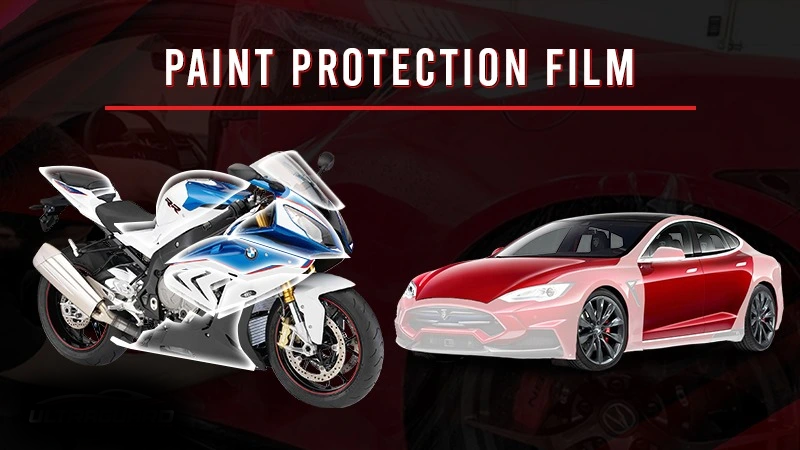
Car ownership is no longer just about keeping a vehicle clean and mechanically reliable. Modern vehicle owners are increasingly looking for smarter ways to protect their cars from everyday wear and preserve their original appearance for longer. As road conditions, environmental exposure, and maintenance expectations continue to change, automotive paint protection has become an important part of preventive car care.
Among the available solutions, Paint Protection Film (PPF) is gaining popularity because it provides a physical protective layer over vulnerable painted surfaces. From reducing the impact of road debris to helping preserve factory paint, PPF offers several practical benefits for modern vehicle owners.
Why Vehicle Paint Needs Protection
A vehicle’s exterior is constantly exposed to conditions that can gradually affect its paintwork. Stone chips, dust, sand, insects, bird droppings, tree sap, road grime, and UV exposure can all contribute to surface deterioration.
Even careful drivers cannot completely avoid these hazards. Regular washing and detailing can help maintain the appearance of a vehicle, but cleaning alone cannot prevent every type of physical damage.
This is why preventive paint protection is becoming an increasingly important part of smart vehicle maintenance.
What Is Paint Protection Film?
Paint Protection Film is a specially engineered film designed to protect a vehicle’s painted surfaces from common external hazards. Modern PPF is often made from thermoplastic polyurethane (TPU), providing flexibility, durability, and optical clarity.
The film acts as a sacrificial layer between the vehicle’s original paint and the surrounding environment. If the film experiences minor surface damage, the underlying factory paint may remain protected.
Protection Against Road Debris
One of the primary reasons vehicle owners choose PPF is protection from road debris. Small stones, gravel, sand, and other particles can strike the vehicle while driving, particularly at higher speeds.
The front bumper, hood, fenders, and side mirrors are among the areas most likely to experience stone chips and minor impact marks.
Applying PPF to these high-impact areas can help reduce direct damage to the original paint and support long-term exterior preservation.
Helping Prevent Minor Scratches
Minor scratches are another common concern for car owners. They can occur during washing, parking, loading luggage, or everyday contact with surrounding objects.
Some advanced PPF products feature self-healing technology that can help minimize the appearance of light scratches when exposed to heat. While PPF is not completely scratch-proof, this feature can help maintain a smoother-looking surface over time.
Protection From Environmental Contaminants
Environmental contaminants can also affect a vehicle’s paint if they remain on the surface for extended periods. Bird droppings, insects, tree sap, and road grime may become difficult to remove and can contribute to surface deterioration.
PPF provides an additional protective layer that separates these contaminants from the original paint. Regular cleaning is still necessary, but the film can help make exterior maintenance more manageable.
Preserving the Original Factory Finish
For many owners, maintaining the original factory paint is an important part of vehicle ownership. Factory finishes can be difficult to replicate perfectly if a panel needs repainting after significant damage.
By protecting vulnerable areas, PPF can help reduce the likelihood of paint chips and scratches that may eventually require correction or repainting.
This makes paint protection particularly appealing for new vehicles, luxury models, sports cars, and vehicles with premium or distinctive factory finishes.
A Preventive Approach to Vehicle Maintenance
Traditional car care often focuses on correcting problems after they appear. Smart car care takes a more preventive approach.
Instead of waiting for stone chips, scratches, and other paint damage to accumulate, vehicle owners can protect vulnerable surfaces from the beginning. This approach can help reduce the need for frequent paint correction and maintain the vehicle’s appearance over a longer ownership period.
PPF Can Combine Protection and Styling
Modern PPF is not limited to transparent finishes. Vehicle owners can choose different finishes depending on their preferences and the type of protection they want.
Gloss PPF can maintain a polished appearance, while matte or satin PPF can provide a distinctive finish. This combination of protection and customization has helped PPF become an increasingly versatile product in the automotive aftermarket.
Why Professional Installation Matters
The quality of installation can have a significant effect on the appearance and performance of PPF. Professional installers can properly prepare the vehicle’s surface, select suitable patterns, and apply the film carefully around curves and edges.
Poor installation may result in bubbles, lifting, visible edges, or contamination beneath the film. Choosing quality material and an experienced installer can therefore help ensure better results.
PPF and Long-Term Vehicle Ownership
Vehicle owners who plan to keep their cars for several years may benefit from thinking about paint protection as part of their long-term maintenance strategy.
Maintaining the exterior can help preserve the vehicle’s overall presentation and reduce the likelihood of visible paint deterioration. Although PPF does not guarantee a higher resale value, preserving the original paint can contribute to a well-maintained appearance when the vehicle is eventually sold or traded.
The Future of Smart Car Care
As consumers become more informed about automotive maintenance, preventive protection is likely to become an even greater priority. New PPF technologies are focusing on improved durability, self-healing capabilities, clarity, finishes, and installation precision.
These developments are making paint protection more practical and adaptable for different types of vehicle owners.
Frequently Asked Questions
1. Why is paint protection becoming popular among car owners?
Vehicle owners are increasingly interested in preventing paint damage rather than correcting it later. PPF offers a practical way to protect vulnerable areas from common road and environmental hazards.
2. Does PPF protect against stone chips?
Yes. PPF is designed to help protect painted surfaces from stone chips and other minor impacts caused by road debris.
3. Can PPF prevent scratches?
PPF can help reduce the risk of minor scratches, but it is not completely scratch-proof. Some advanced films also feature self-healing technology for light surface scratches.
4. Can PPF be applied to an older vehicle?
Yes. PPF can be applied to older vehicles if the existing paint is in suitable condition. Proper surface preparation is important before installation.
5. Is PPF only useful for luxury cars?
No. PPF can be beneficial for any vehicle owner who wants to preserve the exterior paint. The level of coverage can be selected according to the vehicle, driving conditions, and budget.
Conclusion
Smart car care is increasingly focused on prevention rather than repair. Regular washing and detailing remain important, but they may not be enough to protect a vehicle from stone chips, scratches, road debris, and environmental contaminants.
Paint Protection Film provides an additional layer of defense that can help preserve the original factory finish and support long-term vehicle maintenance. With modern materials, self-healing technology, and multiple finish options, PPF has become a practical solution for owners who want to protect their cars while maintaining their appearance.
As automotive paint protection technology continues to evolve, investing in preventive protection can be a smart step toward keeping a vehicle looking newer for longer.

 Arabic
 French
 Spanish
 Portuguese
 Deutsch
 Turkish
 Dutch
Dutch
 Italiano
 Russian
 Romaian
 Portuguese (Brazil)
 Greek
Greek