


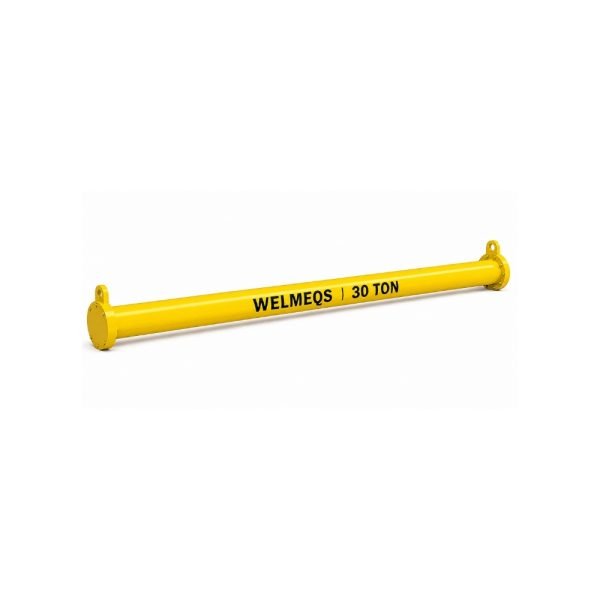
Heavy lifting operations demand precision, stability, and above all, safety. Whether handling oversized machinery, structural steel, prefabricated modules, or industrial equipment, selecting the right lifting device plays a significant role in preventing load damage and workplace hazards. A spreader beam is one of the most reliable lifting tools used across construction, oil and gas, marine, logistics, manufacturing, and heavy engineering industries. It is specifically designed to distribute lifting forces evenly, helping operators move large or delicate loads with greater control and confidence.
What Is a Spreader Beam?
A spreader beam is a below-the-hook lifting device engineered to increase the distance between lifting slings while reducing the angle of the slings. Unlike conventional lifting arrangements that place inward compression on the lifting attachment, a spreader beam works primarily in compression, allowing the load to remain balanced throughout the lift.
By maintaining proper sling geometry, the spreader beam minimizes stress on lifting points and reduces the risk of load distortion. This makes it an ideal solution when lifting long, fragile, or irregularly shaped equipment.
Main Components of a Spreader Beam
Although designs vary depending on lifting capacity and application, most spreader beams include:
- Main beam structure
- Top lifting lug
- Bottom lifting lugs
- End fittings
- Shackles and sling connections
Each component is carefully engineered to ensure safe load distribution while meeting industry lifting standards.
How Does a Spreader Beam Work?
The working principle of a spreader beam is straightforward but highly effective. A crane hook connects to the top lifting point, while slings attached to the beam's ends support the load below.
Instead of allowing slings to pull inward toward the crane hook, the beam keeps them apart at a controlled distance. This creates a more vertical lifting angle and significantly reduces horizontal forces acting on the load.
Force Distribution During Lifting
When the crane lifts the spreader beam, the beam transfers compressive forces along its length while the slings carry the vertical weight of the load. Because the sling angles remain wider and more controlled, the lifting points experience less stress compared to traditional rigging methods.
This balanced force distribution offers several advantages:
- Improved load stability
- Reduced bending stress
- Lower risk of deformation
- Better protection for fragile equipment
- Increased lifting safety
Why Sling Angle Matters
Steep sling angles increase tension within lifting slings, placing additional stress on lifting points and hardware. A spreader beam helps maintain safer sling angles, reducing excessive loading and improving overall lifting efficiency.
Common Applications of Spreader Beams
The versatility of a spreader beam makes it suitable for numerous heavy lifting environments where stability and controlled load handling are essential.
Construction and Infrastructure
Construction projects regularly involve lifting long steel sections, bridge components, precast concrete panels, and structural assemblies. A spreader beam provides balanced lifting while protecting these valuable components from unnecessary stress.
Oil, Gas, and Marine Projects
Large pressure vessels, pipelines, offshore modules, and heavy fabrication equipment often require specialized lifting solutions. The spreader beam enables safe transportation of these critical assets while maintaining proper weight distribution throughout the lifting process.
Manufacturing and Industrial Facilities
Factories frequently relocate heavy machinery, production equipment, generators, and fabricated assemblies. Using a properly engineered spreader beam allows maintenance teams and lifting contractors to complete these operations with greater accuracy and reduced equipment risk.
Choosing the Right Spreader Beam
Selecting the appropriate spreader beam depends on more than simply matching the lifting capacity. Several operational factors influence the safest and most effective solution.
Consider the following before every lifting operation:
- Total load weight
- Load dimensions
- Centre of gravity
- Number of lifting points
- Sling configuration
- Working environment
- Applicable lifting standards and certifications
Working with an experienced lifting solutions provider ensures the beam is properly designed, inspected, tested, and certified for its intended application.
Companies specializing in engineered lifting equipment can also provide custom spreader beam solutions for unique industrial projects where standard lifting devices may not be suitable.
Reliable lifting begins with selecting equipment designed specifically for the task. Welmeqs Engineering and Lifting Solutions FZE LLC supplies high-quality spreader beam solutions engineered for demanding industrial environments. With expertise in lifting equipment, engineered lifting systems, inspection, testing, certification, and custom fabrication, the team helps businesses improve lifting safety, operational efficiency, and load control across every project.

 English
 Arabic
 French
 Spanish
 Portuguese
 Deutsch
 Turkish
 Dutch
Dutch
 Italiano
 Russian
 Romaian
 Greek
Greek