


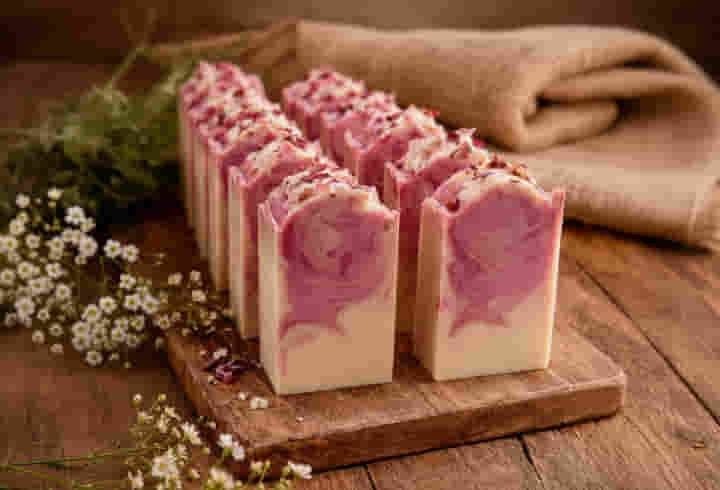
The old ways do not always fade because they are old. Some stay around because they keep making sense.
A bar of soap by a farmhouse sink. A jar of cream on a bathroom shelf. A Saturday market table with someone explaining what went into a batch. These small scenes still matter to people who want body care with a clear story behind it.
That is one reason goat milk skincare benefits continue to draw attention from shoppers who prefer honest ingredients, homemade work, and fewer mysteries on the label. In Oklahoma, where red dirt, wind, sun, and changing seasons all have something to say, skin care often needs to feel practical first.
Not flashy. Not fussy. Just thoughtful.
Key Takeaways
-
Goat milk is valued for its creamy feel in body care.
-
Gentle formulas still depend on the full ingredient list.
-
Skin comfort is shaped by weather, washing, and routine.
-
Clear labels help buyers make calmer choices.
Why Old Ingredients Still Matter
People have used milk in skin care for a very long time because it feels familiar, soft, and useful. The exact formulas have changed over the years, but the basic idea has not. A gentle cleansing or moisturizing product should leave skin feeling cared for, not scolded.
Goat milk is often used in soaps, lotions, body butters, and bath products because it can bring a smooth, creamy character to a formula. It also fits the kind of ingredient story many buyers appreciate. They can picture the animal, the morning routine, the maker, and the batch.
That connection is powerful.
Still, tradition should be paired with common sense. Goat milk is not magic by itself. It works best when it is part of a balanced product made with careful oils, butters, colorants, scent choices, and curing or mixing methods.
What Makes Goat Milk Different?
Goat milk contains fats, proteins, vitamins, and naturally occurring lactic acid. In skin care, those qualities are often valued for softness, mild exfoliation support, and a more conditioning feel in finished products.
In plain words, goat milk can help a product feel less harsh and more comforting when the full formula is well made.
This does not mean every goat milk product suits every skin type. Sensitive skin may still react to fragrance, color, essential oils, or certain botanicals. Oily skin may prefer lighter products. Very dry skin may need richer follow up moisture after cleansing.
The ingredient may open the door, but the whole recipe decides the experience.
Goat Milk Skincare Benefits For Dry Skin
Goat milk skincare benefits are most often discussed by people with dry or rough feeling skin. That makes sense because goat milk can add creaminess to soap and body care. When paired with moisturizing oils or butters, it may help a product feel more comforting during use.
Dry skin usually wants three things:
-
Less stripping during cleansing
-
More moisture after washing
-
Better protection from wind, heat, and repeated washing
Oklahoma skin knows that routine well. A person may wash hands after feeding animals, handling garden tools, cooking supper, pumping gas, or cleaning up after kids. If the cleanser is too strong, the skin may feel tight before the day is halfway done.
A milder product can make daily washing feel less like a chore.
How Does It Support Softness?
Softness is not only about what goes on the skin. It is also about what a product does not take away.
A harsh cleanser can remove too much oil from the skin surface. That may leave the skin feeling squeaky, tight, or rough. A gentler bar or wash can cleanse without that punished feeling.
Goat milk products are often chosen because they can produce a creamy wash feel. In soap, that matters. The lather may feel smoother. The rinse may feel less sharp. The skin may feel more comfortable afterward, especially when the product is made with supportive oils and given proper cure time.
For many buyers, that after feel is the real test. Not the scent. Not the color. Not the front label. The skin gets the final vote.
Does Goat Milk Help Sensitive Skin?
Some people with sensitive skin prefer goat milk products because they may feel gentle. However, sensitive skin needs a careful eye.
The American Academy of Dermatology commonly recommends fragrance free, gentle skin care habits for people dealing with dryness or irritation. That advice matters even when the product is handmade or nature inspired. A natural scent can still bother reactive skin. A beautiful color can still be the wrong fit for one person.
A safer approach is simple:
-
Choose products with clear ingredient details.
-
Try one new item at a time.
-
Patch test on a small area first.
-
Avoid applying new products to broken skin.
-
Stop use if burning, swelling, or lasting redness appears.
Goat milk can be a helpful option, but careful testing is still wise.
What Should Labels Reveal?
A good label should help a buyer understand the product without needing a science degree. It should show what the product is, what is inside, and how it should be used.
For goat milk body care, look for clarity around:
-
Oils and butters
-
Fragrance or scent source
-
Colorants such as clays or mica
-
Botanical powders
-
Product type and intended use
-
Storage or care instructions
If a product is described as natural but the label feels vague, that is a reason to slow down. Trust grows when the maker can explain the recipe in everyday language.
A Useful Buyer’s Table
| Buyer Concern | What To Look For | Helpful Cue | What To Question |
| Dry hands | Goat milk soap with rich oils | Skin feels calm after rinsing | Squeaky tight after feel |
| Sensitive skin | Low scent or fragrance free choices | No sting during use | Strong essential oils |
| Rough elbows | Body butter or richer cream | Soft feel that lasts | Thin product that fades fast |
| Bath comfort | Gentle bath bombs | Pleasant scent, not overpowering | Heavy dye or unclear fragrance |
| Label trust | Simple ingredient explanation | The maker can answer clearly | Vague natural claims |
| Family use | Mild daily cleansing | Works for frequent washing | One strong bar for every need |
The best product is not always the most decorated one. It is the one that fits the person using it.
Why Oklahoma Buyers Notice Source
Oklahoma has deep agricultural roots, and many people still like knowing where things come from. According to the USDA National Agricultural Statistics Service, the 2022 Census of Agriculture listed 1,122 Oklahoma farms with 11,950 milk goats and kids in inventory. That does not turn every goat milk product into a good product, but it does show that goat keeping is part of the state’s farm landscape.
At a local market, that matters. A buyer can ask how a product was made, how long soap cures, what gives a bar its color, or whether a lotion is lightly scented. That conversation carries a kind of trust a shelf tag cannot always give.
Around here, a handshake and a straight answer still count.
Goat Milk Skincare Benefits In Routine
Goat milk skincare benefits are easiest to notice when the routine is simple. A person does not need a crowded cabinet to care for skin well. Often, a gentle soap, a steady moisturizer, and smart habits do more than a dozen half used bottles.
Try this four step rhythm:
-
Cleanse with warm water, not hot water.
-
Use gentle soap only where needed.
-
Moisturize soon after washing.
-
Watch how skin feels one hour later.
That last step is important. Many products feel nice for the first minute. A better product still feels comfortable after the skin has settled.
If the skin feels itchy, tight, or irritated later, the formula may not be the best match.
Where People Get Confused
One common misunderstanding is thinking all goat milk products are the same. They are not. A soap recipe can vary widely. Cure time can affect how firm and long lasting a bar becomes. The oils, butters, fragrance, color, and method all play a role.
Another mistake is assuming natural always means gentle. Poison ivy is natural, too, and nobody wants that in a skin routine. Natural ingredients can be wonderful, but they still need careful use.
A third mistake is expecting one product to solve everything. Dry heels, oily shoulders, sensitive arms, and cracked knuckles may each need a different kind of care.
Skin is local. Sometimes it is local down to the body part.
How To Choose With Confidence
A wise buyer can use the “feel, fit, and facts” method.
Feel
How does the product feel during and after use? Good body care should not leave the skin angry.
Fit
Does it match the skin type and the season? A rich body butter may make more sense in winter than during a sweaty August afternoon.
Facts
Does the label explain the product clearly? Can the maker answer questions without dodging?
This method keeps shopping grounded. It helps people avoid buying only because something smells good or looks cute. Those things are fine, but skin comfort deserves the lead role.
What About Bath Bombs And Butters?
Goat milk is not limited to soap. It can appear in lotions, body butters, and bath products too. Each product has a different job.
A lotion usually offers lighter daily moisture. A body butter is often richer and better for dry spots such as elbows, heels, knees, and hands. A bath bomb is more about the bath experience, though buyers with sensitive skin should still watch scent and color intensity.
The practical question is, “Where will this fit in the routine?”
For example, a person with rough hands may use goat milk soap at the sink, then follow with body butter at night. Someone who enjoys baths may choose a gentle bath bomb but avoid overly strong scents. The routine should match real life, not a magazine shelf.
Why Centuries Of Use Still Speak
Old ingredients survive when they keep earning a place in daily life. Goat milk has remained part of body care conversations because it feels familiar, useful, and easy to understand. It connects the farm to the sink, the herd to the hands, and the maker to the person using the product. Goat milk skincare benefits become most meaningful when buyers pair tradition with clear labels, careful testing, and a routine that respects their skin.
Cedar Dove Farm makes handmade goat milk soap, lotions, body butter, bath bombs, and select farm goods for people who value honest ingredients, small batch care, and products connected to real Oklahoma farm work.
FAQs
What Makes A Good Goat Milk Formula?
A good formula balances goat milk with skin friendly oils, butters, clear scent choices, and proper making methods. The whole recipe matters, not one ingredient alone.
What Best Practices Help Soap Last Longer?
Keep the bar dry between uses, place it on a draining soap dish, and avoid leaving it in standing water. A dry bar usually lasts better.
How To Compare Lotion And Body Butter?
Lotion is usually lighter for daily use, while body butter is richer for rough or dry areas. Choose based on texture, season, and skin comfort.
Are Current Trends Changing Label Reading?
Yes, many buyers now ask more direct questions about scent, color, sourcing, and ingredient purpose. Clear labels are becoming more important.
Which Top Signs Mean A Product Fits?
Skin feels clean, calm, and comfortable after use. There is no lasting tightness, burning, itching, or redness.

 Arabic
 French
 Spanish
 Portuguese
 Deutsch
 Turkish
 Dutch
Dutch
 Italiano
 Russian
 Romaian
 Portuguese (Brazil)
 Greek
Greek